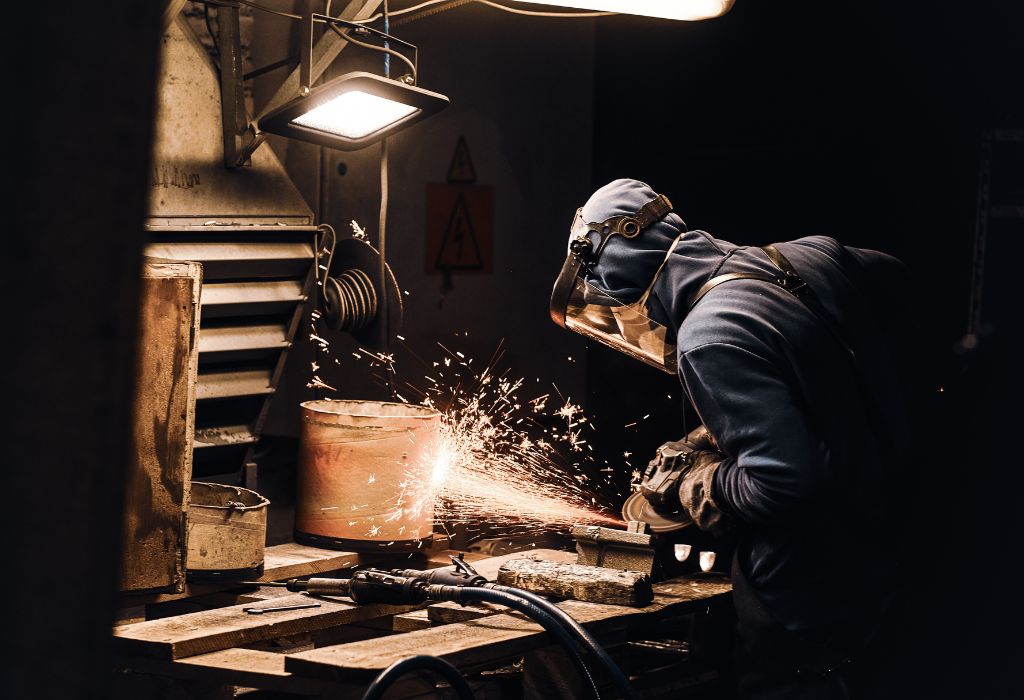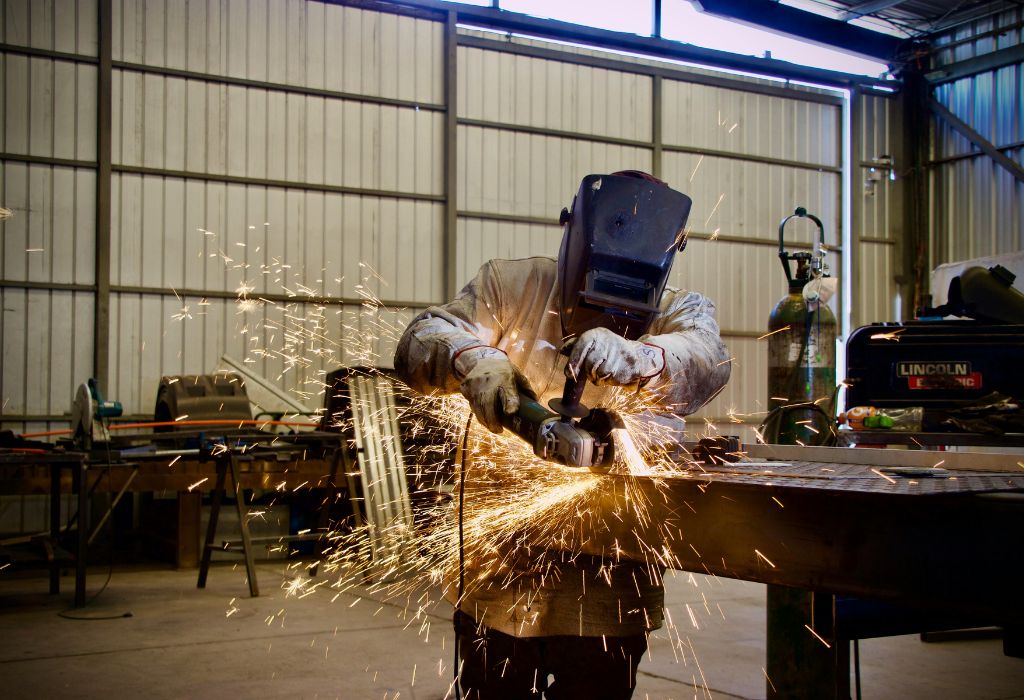
The fiery hiss of a cutting torch slicing through metal is a sound every welder knows. Sparks fly, molten metal drips, and the bright glare lights up the workshop like daylight. But behind that dazzling glow lies danger—especially for your eyes and skin. Many welders and hobbyists assume a simple pair of goggles is enough for torch cutting, but that’s one of the most common and costly mistakes.
According to industrial safety data, eye injuries account for nearly one in five workshop accidents, and a large portion of those come from cutting and grinding work. The truth is that a cutting torch produces intense heat, UV radiation, and infrared light—enough to damage your vision permanently if you’re not properly protected.
Wearing a welding helmet while using a cutting torch is more than a precaution; it’s a necessity. It shields your eyes from flash burns, protects your face from molten spatter, and reduces fatigue during long cutting sessions. This guide explores exactly why a helmet is essential, how to choose the right one, the best practices for using it safely, and how to maintain it for long-term reliability.
Whether you’re working with oxy-acetylene or plasma, understanding the right protective approach will help you keep your eyes safe, your cuts clean, and your projects professional.
How a Cutting Torch Works

A cutting torch uses high heat to melt and remove metal. The most common is the oxy-fuel torch, which combines oxygen with acetylene to create a flame exceeding 6,000°F. The flame preheats the metal until it’s red-hot, and then a stream of pure oxygen blows the molten metal away, creating a clean cut.
Although the torch doesn’t produce the same electric arc as welding, it still emits high levels of ultraviolet and infrared radiation. These invisible rays can cause severe eye irritation known as arc eye or flash burn, even from short exposure.
A plasma cutter, on the other hand, uses an electrical arc combined with compressed gas to cut metal. It’s even more intense in brightness and heat, requiring protection equal to or greater than welding operations. In both cases, the light and sparks generated are strong enough to damage your retina, even if you’re several feet away.
The Dangers of Torch Cutting Without Proper Eye Protection
Using a cutting torch without a welding helmet might feel convenient, but it comes with hidden risks that can accumulate over time. The human eye isn’t designed to handle such intense brightness and radiation.
When the torch flame burns, it emits ultraviolet (UV) rays that can cause immediate eye inflammation and long-term vision loss. Even if you look away or blink quickly, the damage can occur in milliseconds. Prolonged exposure can also cause “welder’s flash,” a painful condition where the cornea becomes inflamed, feeling like sand has been rubbed into your eyes.
Beyond UV exposure, there’s also infrared (IR) radiation. IR rays generate heat, and while they don’t cause instant pain, they can cook the deeper tissues of your eye over time. Combined with flying sparks and molten metal, this creates a perfect storm of hazards.
Wearing a welding helmet blocks 99.9% of UV and IR radiation, shielding not just your eyes but your entire face from flying debris, smoke, and heat. It’s an essential line of defense for anyone handling a cutting torch.
Why a Welding Helmet is Essential for Cutting Torch Safety
The right welding helmet does more than darken your vision—it acts as a barrier against radiation, heat, and debris. When cutting metal, the torch flame emits a brightness level similar to mid-range welding arcs. A helmet rated for welding safely covers this intensity and keeps your focus clear.
Unlike safety goggles, which protect only the eyes, a welding helmet shields the forehead, cheeks, neck, and part of the shoulders from sparks and hot slag. This is crucial in torch cutting because molten droplets can travel several feet and easily burn exposed skin.
Moreover, modern auto-darkening helmets make the job easier. They allow clear visibility before ignition and instantly darken when the torch lights. This eliminates the need to constantly lift and lower your helmet, saving time and improving precision.
Many Chicago Electric, Lincoln, and Miller helmets include variable shade settings between #5 and #13, which perfectly covers the brightness of both welding and torch cutting flames.
The Science Behind Eye Protection
A cutting torch produces a continuous flame that burns around 6,000°F, and that flame emits light across the visible, ultraviolet, and infrared spectrums. Ultraviolet radiation is responsible for flash burns, while infrared contributes to heat buildup and retinal stress.
The welding helmet’s darkened lens acts like a filter, allowing enough light for you to see the metal while blocking the harmful wavelengths. The outer shell of the helmet, typically made from flame-resistant polyamide or fiberglass, protects against sparks and molten droplets.
Auto-darkening lenses use sensors that detect brightness and adjust the lens shade within milliseconds. Most models react in 1/25,000 of a second—fast enough that your eyes never feel the flash. This technology is especially useful for torch cutting, where flame intensity can vary during work.
Shade Level Recommendations for Cutting Torches
For oxy-fuel cutting, the brightness is lower than arc welding but still strong enough to cause eye strain or injury. According to ANSI and OSHA guidelines, a shade level of #5 to #9 is ideal depending on the material thickness and flame intensity.
- Light cutting (under 1 inch steel): Shade #5 or #6
- Medium cutting (1–6 inches steel): Shade #7 or #8
- Heavy cutting (over 6 inches steel): Shade #9
Auto-darkening helmets make this adjustment easy by allowing you to fine-tune the shade using a dial or digital control. The goal is to see the molten metal clearly while keeping brightness comfortable for your eyes.
Choosing the Right Welding Helmet for Torch Work
When selecting a helmet for cutting torch use, focus on versatility, comfort, and clarity.
- Auto-darkening feature: Essential for seamless transition between pre-flame setup and cutting.
- Variable shade control: Allows adjusting between lower shades for torch work and higher shades for welding.
- Lightweight design: Reduces neck strain during long sessions.
- Large viewing area: Helps with better precision on long or curved cuts.
- Comfortable headgear: Adjustable straps ensure a stable fit and balance.
If you already own a Chicago Electric or similar helmet for welding, you can simply lower the shade to the recommended level for cutting. Always test before starting to ensure visibility and proper darkness.
Additional Protective Gear to Use with a Helmet
Even with a welding helmet, other personal protective equipment (PPE) is necessary. Sparks can travel far, and molten droplets may bounce off nearby surfaces.
Essential gear includes:
- Flame-resistant gloves to protect your hands and wrists.
- Leather apron or welding jacket to protect your torso.
- Long cotton or leather sleeves to shield your arms.
- Closed-toe, heat-resistant boots to protect your feet from falling slag.
Avoid synthetic fabrics—they can melt and stick to your skin. A full-coverage PPE setup, combined with a quality welding helmet, forms a complete safety system for torch cutting.
Proper Helmet Usage Tips During Cutting
- Always test the auto-darkening lens before lighting the torch.
- Adjust the headgear snugly so the helmet doesn’t slip mid-cut.
- Keep your viewing area clean and free of scratches.
- Avoid lifting your helmet mid-cut; if you need a better view, use the sensitivity and shade settings instead.
- Ensure the helmet sensors face the cutting flame directly; blocked sensors can delay darkening.
These small habits drastically improve safety and consistency while cutting.
Maintaining and Cleaning Your Welding Helmet
Maintenance ensures clarity, longevity, and consistent protection. After every cutting session, let the helmet cool and wipe away dust or soot with a microfiber cloth.
Clean both the inner and outer lenses using mild soap and water—never solvents or abrasive cleaners. Solvents can damage the lens coating and weaken the shell.
Inspect the helmet regularly for cracks, loose straps, or burnt edges. Replace any damaged lens covers immediately. Keeping spare covers handy saves downtime and maintains clear vision.
When not in use, store your helmet in a dry, cool area away from direct sunlight. Prolonged heat can warp the lens or degrade electronic components in auto-darkening models.
Common Mistakes to Avoid While Torch Cutting

One of the biggest mistakes is assuming that a torch flame is safe to look at without protection. Even though it’s not as bright as an arc, its UV emission can still cause damage.
Other common errors include using an incorrect shade, wearing scratched lenses, or relying on cheap goggles that offer no UV protection. Some workers even tilt their helmets upward slightly to see better, which exposes part of the eyes and cheeks to sparks—this habit leads to serious burns over time.
Never modify or remove the helmet’s protective lens. Even a small gap can let in harmful rays. Always keep your gear clean, correctly adjusted, and used as intended.
Frequently Asked Questions
Can I use any welding helmet for cutting torch work?
Yes, most standard helmets are suitable. Ensure it allows lower shade adjustment between #5 and #9.
What shade is best for cutting torch operations?
For thin metal, shade #5–6 works well. For heavy cutting, use #8–9.
Are auto-darkening helmets good for torch cutting?
Absolutely. They provide comfort and protection, automatically adjusting to flame brightness.
Do I still need goggles if I wear a helmet?
No, a welding helmet replaces the need for goggles, offering broader coverage.
Can sparks damage the helmet lens?
Yes. Replace scratched or burned lenses promptly to maintain clarity and protection.
How can I tell if my helmet’s lens still blocks UV properly?
If you notice excessive glare, eye fatigue, or delayed darkening, replace the lens immediately.
Is a shaded face shield an alternative to a welding helmet?
A shaded face shield offers partial protection but lacks full UV and IR filtering like a welding helmet.
Can I wear prescription glasses under my helmet?
Yes, most helmets have enough room for safety or prescription glasses underneath.
What happens if I accidentally cut without a helmet once?
Even one exposure can cause temporary or permanent vision damage. Always wear protection.
Do helmets protect from heat and spatter too?
Yes, the outer shell shields your face and neck from sparks, slag, and heat.
Conclusion
Whether you’re slicing through steel with a plasma cutter or shaping metal with an oxy-acetylene torch, wearing a welding helmet is non-negotiable. The helmet is your first line of defense against invisible radiation, intense brightness, and flying molten metal.
A quality helmet not only prevents painful flash burns but also keeps your focus sharp, your cuts precise, and your projects professional. Combined with proper PPE and regular maintenance, it ensures that every job you do is as safe as it is successful.
Never trade convenience for safety—because in the world of metalwork, your vision is irreplaceable.

I’m Darrell Julian, the founder, lead writer, and hands-on welding enthusiast behind ArcWeldingPro.com. With more than 15 years of real-world welding experience, I created this platform to share what I’ve learned in the field, in the shop, and in the heat of the arc.