Imagine this: you’re deep into a delicate TIG welding project. Sparks fly, the arc hums, and precision is everything. But then, your hand starts to burn, or worse, you feel a sharp prickle of heat. That’s where the right TIG welding gloves come in. Choosing them can feel like a maze. You want protection, but you also need to feel your work. Too thick, and you lose dexterity. Too thin, and you risk nasty burns. Finding that perfect balance is a real challenge for many welders.
This post is your secret weapon to conquering that challenge. We’ll break down what makes a TIG welding glove great. You’ll learn how to spot the features that truly matter, helping you avoid common mistakes and protect your hands. By the time you finish reading, you’ll have the confidence to pick the gloves that let you weld with comfort and control, making your projects smoother and safer.
Our Top 5 Tig Welding Gloves Recommendations at a Glance
Top 5 Tig Welding Gloves Detailed Reviews
1. Tillman unisex adult Tig Welding Gloves R3SC34122981

Rating: 8.8/10
The Tillman R3SC34122981 TIG welding gloves are designed for comfort and control. They are made from soft goatskin that feels great on your hands. These gloves help you do your best welding work.
What We Like:
- The top grain goatskin feels really good and lets you move your fingers easily. This means you can hold your welding gun with precision.
- A special “glide patch” is on the side. It helps you move the welding gun smoothly and stops the glove from wearing out when you drag it.
- The thumb area is made stronger. This is important because the thumb takes a lot of stress when you’re welding.
- The straight thumb design helps you grip the welding gun better. A good grip means more control.
- The seams are sewn with Kevlar thread. Kevlar is super strong, so the seams won’t break apart easily.
What Could Be Improved:
- While the dexterity is excellent, some users might prefer a slightly thicker glove for extremely hot applications, though this is a trade-off for the improved feel.
- The white color, while looking clean, can show dirt and grease more readily than darker colored gloves, requiring more frequent cleaning to maintain appearance.
These Tillman TIG welding gloves offer a fantastic combination of comfort and control for serious welders. They are a solid choice for anyone looking for a quality glove.
2. Tillman 1328 Top Grain Goatskin TIG Welding Gloves – Large by Tillman

Rating: 8.9/10
When you’re working on welding projects, your hands need the best protection. The Tillman 1328 Top Grain Goatskin TIG Welding Gloves in size Large offer just that. These gloves are made from strong goatskin leather, which means they can be used again and again. They are built tough to resist wear and tear, keeping your hands safe while you weld. Plus, they are designed to fit either hand, making them super easy to use.
What We Like:
- Made from durable, reusable goatskin leather for long-lasting use.
- Abrasion-resistant design protects your hands from tough welding jobs.
- Ambidextrous design allows you to wear them on either hand.
- Easy pull-on closure makes them quick to put on and take off.
- Available in a large adult size, fitting most welders comfortably.
What Could Be Improved:
- While durable, the leather might require a short break-in period for maximum flexibility.
- For very fine, intricate TIG work, some welders might prefer an even thinner glove.
The Tillman 1328 gloves are a solid choice for welders seeking dependable hand protection. They provide a great balance of durability and ease of use for many welding tasks.
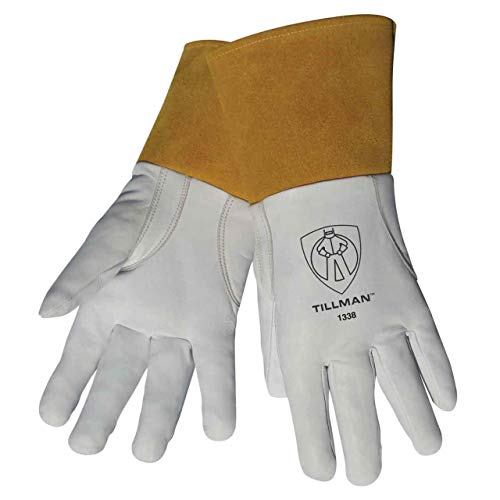
3. Tillman 1338 Top Grain Goatskin TIG Glove with Glide Patch Large White
Rating: 8.7/10
The Tillman 1338 Top Grain Goatskin TIG Glove in Large White offers a fantastic combination of comfort and control for TIG welding. Made from top-grain goatskin, these gloves provide an exceptional feel, letting you handle delicate work with ease. The reinforced thumb adds extra strength where you need it most, making these gloves a reliable choice for demanding projects.
What We Like:
- Superior feel and dexterity allow for precise TIG welding.
- Top-grain goatskin is soft and flexible.
- Reinforced thumb provides added strength and durability.
- The white color can help keep your workspace a little cooler.
- The glide patch helps protect your hand and the glove.
What Could Be Improved:
- For some, the large size might be a bit snug or loose depending on hand shape.
- The white color can show dirt and grime quickly, requiring more frequent cleaning.
If you’re a TIG welder looking for gloves that let you feel the weld and offer lasting protection, the Tillman 1338 is a solid option. They strike a great balance between being gentle on your hands and tough enough for the job.
4. 1338M Goatskin Tig Glove4 Cuff-Cd Medium by Tillman (1338 – MEDIUM)

Rating: 9.0/10
The Tillman 1338M Goatskin Tig Glove4 Cuff-Cd Medium in white is a top-notch protective glove designed for serious work. Made from soft and durable goatskin, it offers excellent dexterity and comfort. This glove is built to last and protect your hands during tough tasks. It’s a reliable choice for anyone needing superior hand protection.
What We Like:
- Made from high-quality goatskin for a soft feel and great durability.
- Provides excellent dexterity, allowing for precise movements.
- The cuff-cd design offers added protection for your wrist.
- Proudly made in the United States, ensuring quality craftsmanship.
- The medium size offers a comfortable and secure fit for many users.
What Could Be Improved:
- The white color might show dirt and stains more easily during heavy use.
- Availability might be limited at times due to its specialized nature.
For those who demand the best in hand protection and control, the Tillman 1338M Goatskin Tig Glove is a fantastic investment. Its combination of comfort, durability, and precise feel makes it stand out.
5. YESWELDER Premium Goatskin TIG Welding Gloves

Rating: 9.1/10
When you need serious hand protection that doesn’t sacrifice control, the YESWELDER Premium Goatskin TIG Welding Gloves are a top contender. These gloves are built tough, using high-quality goatskin leather that feels soft and flexible. They’re designed to keep your hands safe from heat, sparks, and sharp objects, making them ideal for demanding jobs.
What We Like:
- These gloves offer excellent protection against heat, cuts, and punctures.
- The goatskin leather is soft and flexible, allowing for great dexterity.
- They fit snugly and comfortably, reducing hand fatigue during long work sessions.
- The reinforced fingertips and palm add extra durability where you need it most.
- Their versatile design makes them suitable for many jobs beyond just welding.
What Could Be Improved:
- While described as “True-Fit-Large,” some users might find the sizing runs slightly different than expected.
- The unlined palm, while durable, might feel less cushioned for some users compared to lined options.
Overall, these YESWELDER gloves provide a great balance of protection and flexibility. They are a solid investment for anyone needing reliable hand protection for tough tasks.
Choosing the Right Tig Welding Gloves: Your Guide to Safety and Comfort
TIG welding is a precise craft. It requires a steady hand and excellent protection. Your gloves are your first line of defense. They keep you safe from heat, sparks, and sharp metal. Finding the perfect pair makes a big difference in your comfort and the quality of your work. Let’s explore what makes a great TIG welding glove.
Key Features to Look For
1. Dexterity and Fit
- Snug Fit: Gloves should fit like a second skin. They shouldn’t be too loose or too tight.
- Flexibility: You need to move your fingers easily. This helps you control the torch and filler rod.
- Seamless Fingers: Some gloves have fewer seams. This reduces rubbing and improves feel.
2. Protection and Durability
- Heat Resistance: TIG welding produces intense heat. Your gloves must block this heat.
- Abrasion Resistance: Metal edges can be rough. Good gloves resist wear and tear.
- Flame Resistance: Sparks can fly. Your gloves should not catch fire easily.
- Reinforced Seams: Strong stitching adds to the glove’s life.
3. Comfort and Breathability
- Lining: Soft linings prevent irritation and absorb sweat.
- Ventilation: Some gloves have special vents. This keeps your hands cooler.
- Cuff Length: Longer cuffs protect your wrists and forearms from heat and sparks.
Important Materials
The material of your TIG welding gloves is crucial. It determines how well they protect you and how comfortable they are.
- Leather: This is the most common material.
- Goatskin: It’s soft, flexible, and offers good dexterity. Many TIG welders prefer it for its feel.
- Deerskin: Very soft and comfortable, but can be less durable than goatskin.
- Cowhide: Strong and durable, but can be stiffer. It’s a good all-around choice.
- Kevlar: This is a strong synthetic fiber. It’s often used in stitching or as a lining for extra heat and cut resistance.
- Nomex: Another heat-resistant synthetic fiber. It’s used for its flame-retardant properties.
Factors That Improve or Reduce Quality
Not all TIG welding gloves are created equal. Several things affect their quality.
Quality Enhancers:
- Premium Leather: High-quality leather is soft, supple, and lasts longer.
- Reinforced Stress Points: Extra stitching or patches on fingertips and palms add durability.
- Ergonomic Design: Gloves shaped to fit the natural curve of your hand improve comfort and control.
- High-Quality Thread: Kevlar or Nomex stitching resists heat and prevents seams from breaking.
Quality Reducers:
- Thin, Stiff Leather: This offers less protection and is uncomfortable.
- Poor Stitching: Weak seams will break quickly, reducing the glove’s lifespan.
- Synthetic Materials Not Designed for Heat: Some synthetics melt or burn easily.
- Lack of Padding: Insufficient padding can lead to heat transfer to your hands.
User Experience and Use Cases
How you use your TIG welding gloves matters. Different tasks may call for different glove features.
- Hobbyist Welder: Comfort and good basic protection are key. A pair of goatskin gloves might be perfect.
- Professional Welder: Durability, excellent heat resistance, and superior dexterity are essential. You might invest in gloves with reinforced palms and longer cuffs.
- Working in Tight Spaces: Gloves with excellent flexibility and a thin profile help you maneuver.
- Long Welding Sessions: Breathable materials and comfortable linings prevent hand fatigue.
Choosing the right TIG welding gloves is an investment in your safety and your craft. Take your time, consider these points, and you’ll find a pair that helps you weld with confidence.
Frequently Asked Questions (FAQ)
Q: What is the best material for TIG welding gloves?
A: Goatskin leather is often considered the best for TIG welding because it’s soft, flexible, and provides excellent dexterity and heat resistance.
Q: How should TIG welding gloves fit?
A: They should fit snugly but not be too tight. You need to be able to move your fingers freely to control your welding torch.
Q: Why is dexterity important in TIG welding gloves?
A: Dexterity allows you to handle the welding torch and filler rod with precision, which is very important for making clean, quality welds.
Q: How do I clean my TIG welding gloves?
A: It’s best to avoid washing leather gloves with water and soap, as it can damage the leather. You can usually wipe them down with a damp cloth and let them air dry away from direct heat.
Q: Can I use MIG welding gloves for TIG welding?
A: While some overlap exists, TIG gloves are usually thinner and offer better dexterity. MIG gloves are often thicker for heavy-duty spatter protection. For precision TIG work, dedicated TIG gloves are recommended.
Q: What does “reinforcement” mean on welding gloves?
A: Reinforcement means extra layers of material or stitching in areas that get the most wear, like the palms and fingertips. This makes the gloves last longer.
Q: Are gloves with Kevlar stitching better?
A: Yes, Kevlar stitching is stronger and more heat-resistant than regular thread. It helps your gloves last longer and provides better protection.
Q: How important is the cuff length?
A: Longer cuffs protect your wrists and forearms from sparks and heat. This is especially important when welding in different positions.
Q: Can I wear thin gloves for TIG welding?
A: While you need dexterity, the gloves must still provide adequate heat protection. Very thin gloves might not offer enough safety for TIG welding.
Q: How often should I replace my TIG welding gloves?
A: You should replace them when they show signs of wear, such as holes, thinning leather, or damaged stitching. Safety is the priority.
In conclusion, every product has unique features and benefits. We hope this review helps you decide if it meets your needs. An informed choice ensures the best experience.
If you have any questions or feedback, please share them in the comments. Your input helps everyone. Thank you for reading.

I’m Darrell Julian, the founder, lead writer, and hands-on welding enthusiast behind ArcWeldingPro.com. With more than 15 years of real-world welding experience, I created this platform to share what I’ve learned in the field, in the shop, and in the heat of the arc.