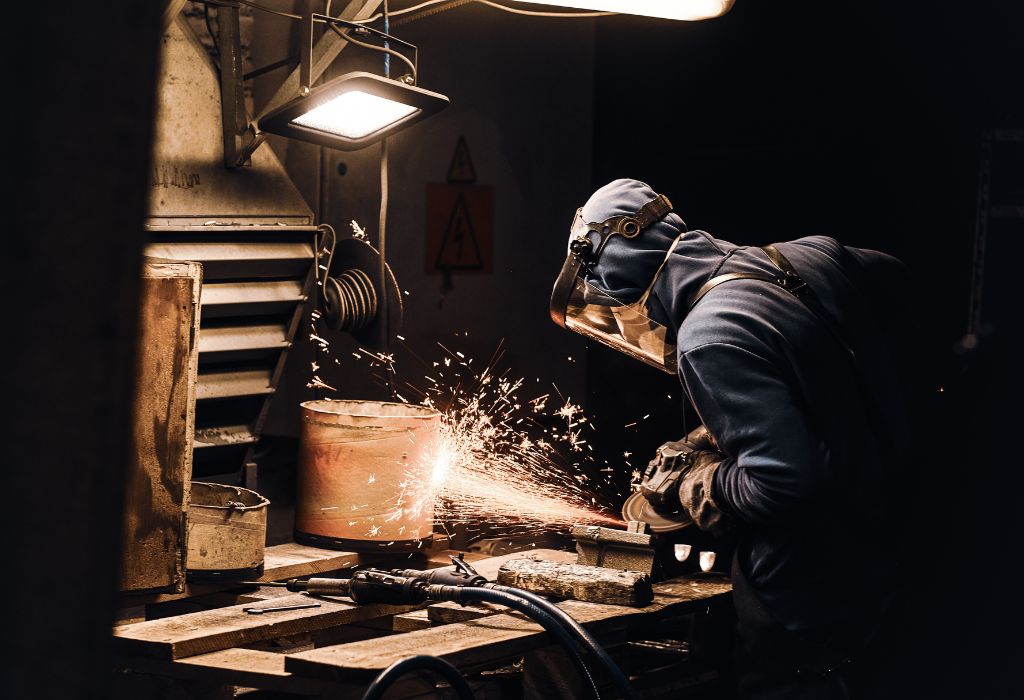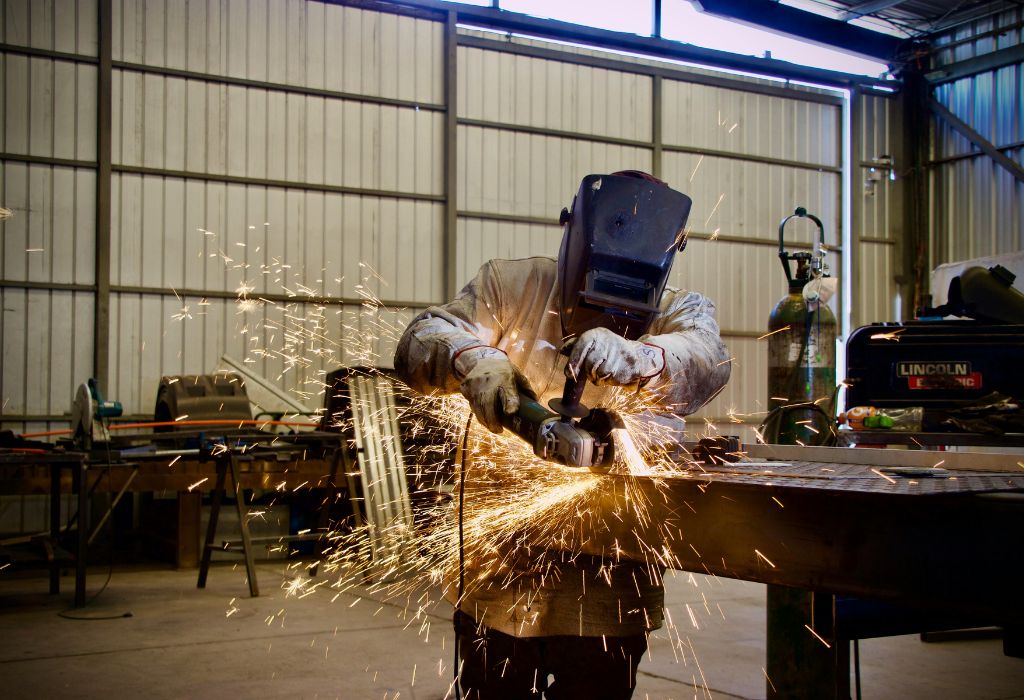
It usually starts with a moment of overconfidence. A welder finishes a small repair and decides to adjust a hot metal piece with bare hands, thinking it’s cooled down. In an instant, pain strikes — the heat sears the skin, leaving a mark that lingers longer than expected. That’s when the lesson becomes clear: welding gloves aren’t optional, they’re essential.
Welding is a craft built on precision and protection. While helmets shield your eyes and jackets guard your body, gloves form the first line of defense between your hands and a world of heat, sparks, and molten metal. Whether you’re performing TIG, MIG, or stick welding, the right gloves ensure both safety and control.
According to safety studies, welders’ hands face direct exposure to temperatures exceeding 2000°F during certain operations. Without proper gloves, even a brief contact with spatter or slag can cause serious burns. Yet, welding gloves do more than protect — they allow you to grip, position, and handle tools with confidence.
This guide will explain exactly what welding gloves are used for, how they’re designed, what materials they’re made from, and why every welder should choose them carefully.
Understanding the Purpose of Welding Gloves
Welding gloves are specialized protective gear designed to guard hands and wrists against heat, sparks, and burns. Unlike regular work gloves, they are made with thick, heat-resistant materials capable of withstanding extreme temperatures.
Their main purpose is to protect the welder’s skin from hot metal, UV radiation, and sharp edges. The gloves also reduce the risk of electrical shock when working near conductive materials.
Each glove is designed to balance flexibility and safety. While thicker gloves provide better insulation, thinner ones offer more dexterity for precise movements.
In addition to heat protection, welding gloves improve grip on tools and metal parts. The textured leather surface prevents slipping, even when materials are greasy or dusty.
Most importantly, gloves form a barrier that prevents small metal sparks from embedding into the skin. This layer of defense keeps hands safe during long hours of exposure to molten metal.
The result is better performance and reduced fatigue because welders can focus on accuracy instead of pain or discomfort.
How Welding Gloves Protect Against Heat and Sparks
During welding, temperatures can reach up to 6000°F at the arc’s core. Sparks, molten droplets, and intense radiant heat constantly threaten exposed skin. Welding gloves are specifically designed to resist these hazards.
The outer layer, typically made from split leather, acts as a thermal barrier. It prevents direct contact with high temperatures while remaining flexible enough for hand movement.
Inside the glove, multiple insulation layers trap air to slow heat transfer. This keeps hands cooler even when working close to the weld zone.
Welding gloves also protect against stray sparks that bounce unpredictably. These sparks may seem harmless, but without protection, they can burn through clothing and cause painful injuries.
In overhead or vertical welding, sparks fall downward, making gloves even more critical. A good pair prevents burns and allows welders to reposition materials without hesitation.
By combining heat-resistant materials and ergonomic design, welding gloves offer the perfect balance between safety and mobility.
Different Types of Welding Gloves and Their Uses
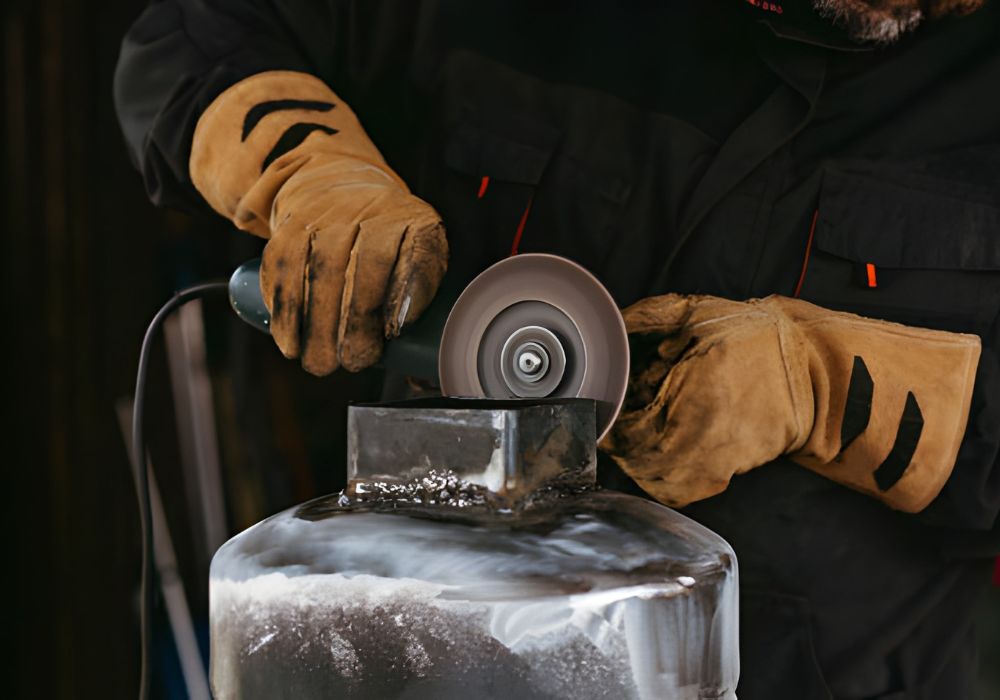
Welding gloves vary depending on the type of welding process. Each style serves a different level of heat exposure and precision.
TIG welding gloves are thin, soft, and flexible. They are designed for fine hand movements and excellent control. Made from goatskin or deerskin, they allow welders to feel the filler rod and make detailed adjustments.
MIG welding gloves strike a balance between protection and dexterity. They’re thicker than TIG gloves but still offer flexibility. These gloves often include extra padding on the palm and back for moderate heat and spatter resistance.
Stick welding gloves are the thickest and heaviest. Stick welding generates intense heat and spatter, requiring strong protection. Usually made from cowhide or elk skin, these gloves feature long cuffs that shield the wrists and forearms.
Each type is tailored to its specific environment. Using the wrong kind reduces both comfort and safety. A TIG glove won’t survive stick welding, while a stick glove makes TIG work clumsy.
Choosing the right type ensures smoother performance and better long-term durability.
Materials Used to Make Welding Gloves
Welding gloves owe their strength to premium materials. Leather remains the primary choice due to its natural resistance to heat, sparks, and abrasion.
Cowhide is the most common material. It offers excellent durability, making it suitable for stick welding where heat exposure is high.
Goatskin is prized for flexibility and softness, perfect for TIG welding where fingertip precision is critical.
Pigskin performs well in oily or damp conditions because it remains pliable even when wet.
Deerskin combines comfort and strength, though it’s more expensive and used mostly in high-end gloves.
Beyond leather, gloves include Kevlar stitching, which resists melting and increases structural strength. Kevlar threads withstand high temperatures without breaking down.
The inner linings often feature cotton or fleece insulation. These layers absorb sweat, add comfort, and prevent direct heat transfer.
This combination of leather, Kevlar, and insulation creates a tough barrier that endures hours of high-intensity welding work.
Design Features That Enhance Safety and Performance
Every design feature in welding gloves serves a purpose. Long cuffs protect wrists and sleeves from sparks and radiant heat. The cuffs also overlap with welding jackets, creating a continuous barrier.
Reinforced palms increase grip strength and reduce wear from holding heavy tools or cables. Some gloves include textured leather in high-contact areas to prevent slipping.
Many gloves feature flaps or extended wrist guards. These keep sparks and debris from entering between glove and jacket sleeves.
Double or triple stitching ensures durability, while curved finger patterns match natural hand positions for comfort.
Extra padding on the back protects knuckles from impacts, especially when working in tight spaces. Ventilation holes may appear in some models to release heat and moisture during long sessions.
Together, these features make gloves not only protective but also efficient tools that support precision and safety.
Why Welding Gloves Differ by Process Type
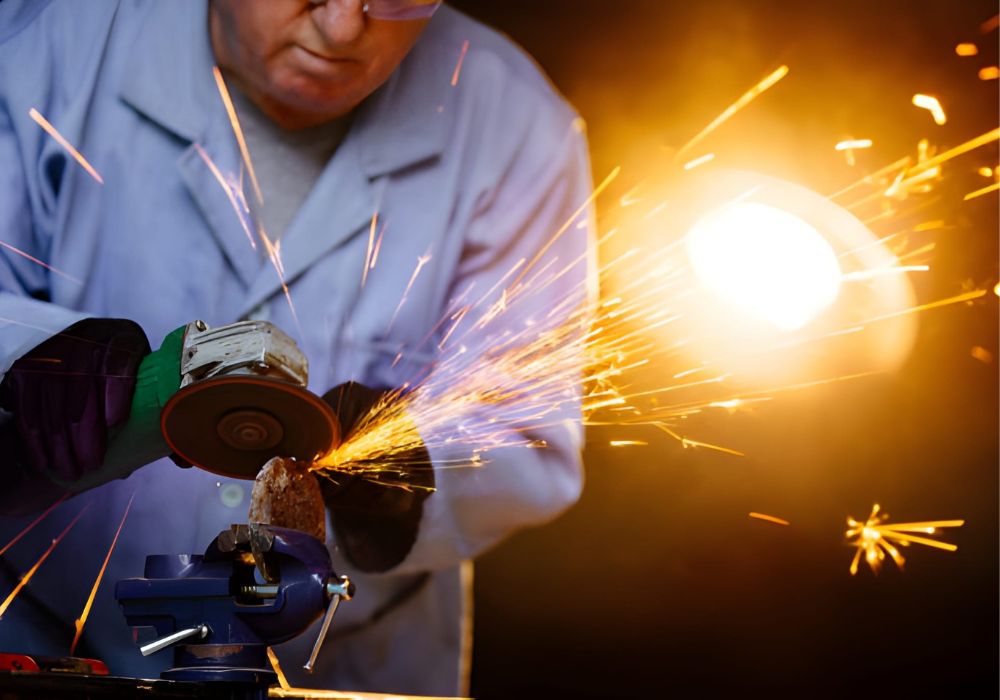
Each welding process generates a unique combination of heat, spatter, and movement. Gloves must match those conditions for maximum protection.
TIG welding demands sensitivity and control, so gloves need to be thin and flexible. Excess padding would reduce touch and precision.
MIG welding produces moderate heat and spatter, so gloves require balance. They include more insulation but retain enough movement for wire feeding.
Stick welding involves the highest heat and most sparks. Thick, insulated gloves with long cuffs are mandatory for safe operation.
Using the wrong glove type can lead to fatigue, poor weld quality, or injury.
Manufacturers design specific gloves for each process so welders can perform efficiently without compromising safety.
Common Mistakes Welders Make with Gloves
A common mistake is using the wrong glove for the job. Wearing thin TIG gloves during stick welding leads to burns, while heavy gloves make delicate TIG work impossible.
Another issue is ignoring glove condition. Cracked, hardened, or burnt leather no longer insulates properly. Regularly inspecting gloves helps prevent accidents.
Some welders use general work gloves made for carpentry or construction. These lack proper insulation and stitching, leaving hands exposed to high heat.
Improper fit also causes problems. Gloves that are too tight limit motion and trap heat, while loose gloves slip off or catch on equipment.
Finally, many forget to replace gloves when the inner lining wears out. Once insulation thins, protection decreases dramatically.
Avoiding these mistakes ensures maximum safety and comfort during every welding session.
Caring for and Maintaining Welding Gloves
Proper maintenance extends the life of your welding gloves. After each use, brush off metal dust and slag. Never soak them in water — moisture weakens leather fibers and causes stiffness.
Use a leather conditioner occasionally to maintain flexibility. Conditioners also prevent cracking from heat and dryness.
Store gloves in a cool, dry place away from direct sunlight. UV rays can degrade leather and cause fading.
Avoid oil and chemical exposure, as these break down natural materials and reduce grip.
When gloves develop holes, hardened spots, or burnt seams, replace them immediately. Continuing to use damaged gloves exposes your hands to unnecessary risks.
Well-maintained gloves not only last longer but also provide consistent protection and comfort.
FAQ – Common Questions About Welding Gloves
Do all welders need gloves?
Yes, every welder needs gloves regardless of the process. They are a fundamental part of personal protective equipment.
Can I use normal work gloves for welding?
No, regular gloves are not heat resistant. Only gloves designed for welding can handle sparks and high temperatures.
How hot can welding gloves resist?
Quality welding gloves can handle contact heat of up to 500°F and radiant heat far higher, depending on the material.
How long do welding gloves last?
With proper care, gloves last several months for daily use. Heavy-duty models can endure even longer under moderate conditions.
Which gloves are best for beginners?
MIG-style gloves are ideal for beginners since they offer balanced protection, comfort, and flexibility.
Conclusion
Welding gloves are more than protective gear — they are essential tools that allow welders to work safely, efficiently, and confidently. Each pair is designed to guard against extreme temperatures, sparks, and molten metal while ensuring flexibility and grip.
Choosing the right glove type, maintaining it properly, and understanding its purpose transforms welding from a risky task into a skilled craft.
In every spark that flies and every bead that forms, your gloves stand between your hands and harm. Respect them, care for them, and they’ll protect you for countless welds to come.

I’m Darrell Julian, the founder, lead writer, and hands-on welding enthusiast behind ArcWeldingPro.com. With more than 15 years of real-world welding experience, I created this platform to share what I’ve learned in the field, in the shop, and in the heat of the arc.