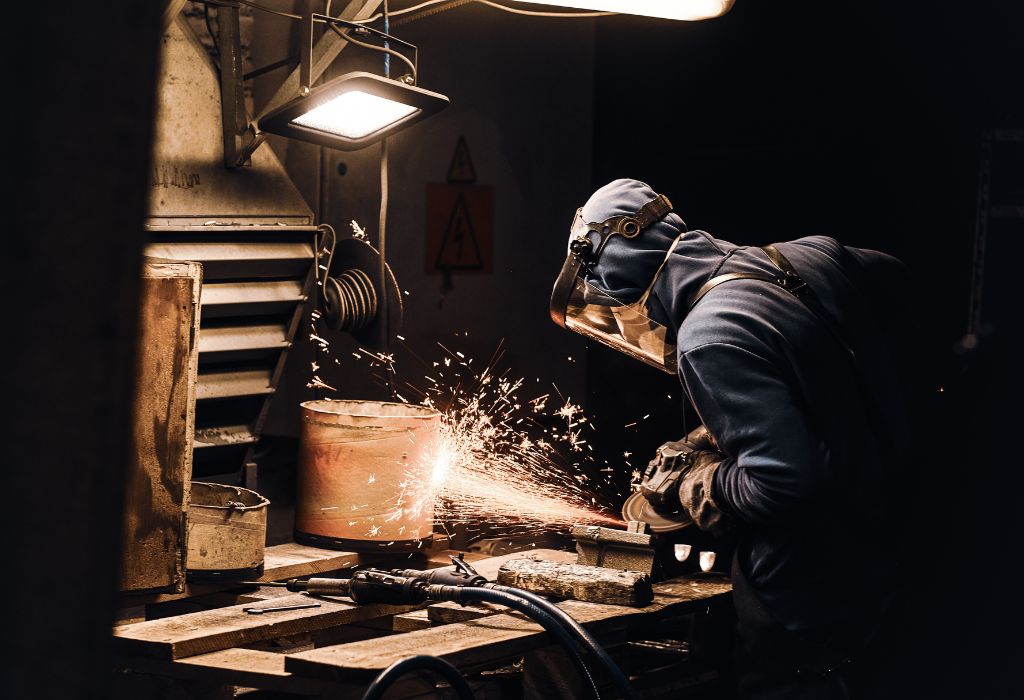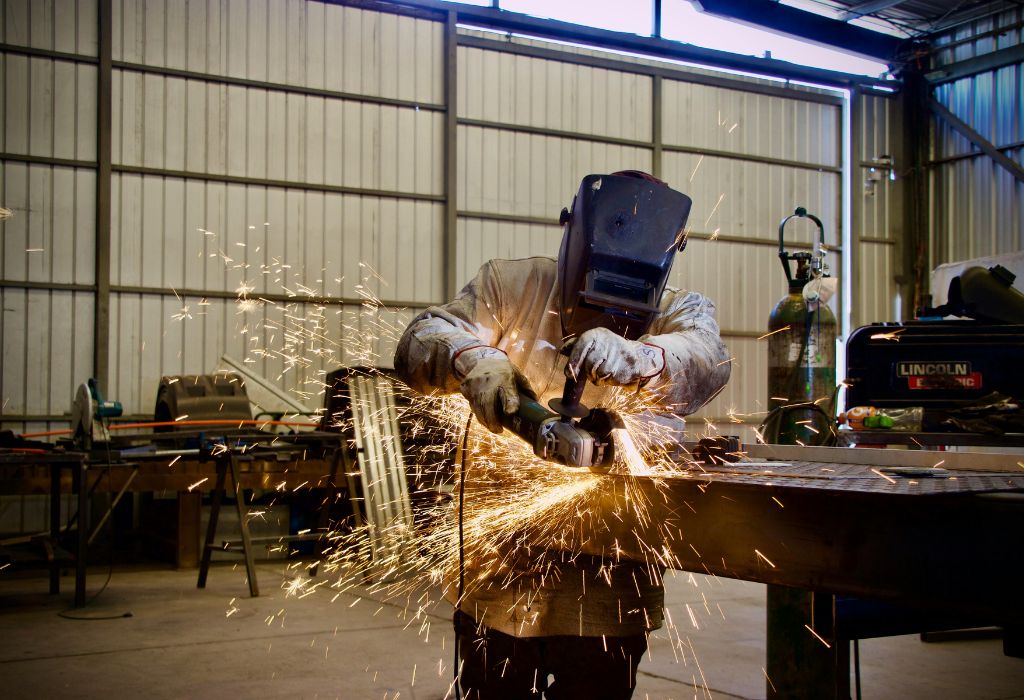
The moment a welding torch ignites, a shower of sparks bursts into the air. Bright light floods the workspace, the metal glows orange, and heat radiates like a small sun. A welder’s hands, just inches away from this blazing intensity, move steadily — shielded only by a pair of thick leather gloves. Without them, the heat would scorch instantly, and even a brief mistake could mean painful burns or lasting injury.
Every professional welder knows that gloves are not just tools of comfort but essential armor. Welding involves hazards far beyond simple burns. There are ultraviolet rays, flying sparks, molten metal, and sharp edges everywhere. These gloves stand as the first line of defense against all of them.
According to safety data from industrial studies, more than 35% of welding injuries involve the hands or wrists. Most of these could be prevented with proper protective gloves. Yet, many beginners still underestimate their importance, focusing only on helmets or jackets.
This guide explores exactly what welding gloves protect against — from heat and radiation to electrical shock and cuts — and explains why choosing the right pair could be the most important safety decision you make in any workshop.
Understanding the Importance of Welding Gloves
Welding gloves are designed for one simple goal: keeping your hands safe in one of the harshest work environments. The combination of heat, metal, electricity, and light in welding creates multiple hazards that ordinary work gloves cannot handle.
Gloves protect welders from burns caused by molten metal splatter, sparks, and radiant heat. They also reduce the risk of electric shock and prevent cuts from handling sharp metal sheets. A good pair of gloves creates a balance between protection, comfort, and flexibility.
Historically, welders used simple leather mitts, but modern gloves are made from advanced materials like Kevlar and treated cowhide for improved resistance and durability. They’re built to handle extreme temperatures while still allowing enough dexterity to control the torch or electrode precisely.
Workplace safety standards, such as those from OSHA and ANSI, require protective gloves in welding environments. Beyond legal requirements, gloves are a moral responsibility — they protect a welder’s most valuable tools: their hands.
Protection Against Extreme Heat and Sparks
Heat is the most obvious threat in welding. A welding arc can reach temperatures of over 6,000 degrees Fahrenheit, and the surrounding air can become intensely hot. Even being near the weld can cause skin burns if not properly shielded.
Welding gloves act as thermal barriers. Their thick, heat-resistant leather layers absorb and reflect radiant heat, preventing burns. The outer shell is typically made from split cowhide or elk leather, known for their ability to withstand high temperatures without stiffening or cracking.
Inside the gloves, many models include insulation or flame-resistant linings to further block heat transfer. These multiple layers ensure that your skin remains cool even when the outer surface of the glove is hot.
Sparks and molten droplets of metal constantly fly during welding. Without protection, they can cling to skin or fabric, causing severe burns. Gloves prevent these hot fragments from reaching your hands and wrists.
It’s also important to note that the heat doesn’t just come from the flame. Metal pieces retain heat long after welding, and touching them barehanded can be dangerous. Welding gloves allow you to handle these materials safely once they’ve cooled slightly.
Protection Against Electric Shock and Current

Electricity is another major danger in welding. Arc welding processes use high current to create heat, which can easily flow through your body if you make contact with conductive materials. Even small shocks can cause serious injuries or reflex reactions that lead to accidents.
Welding gloves are made with thick, non-conductive leather that acts as an insulator. This barrier prevents electric current from passing through your hands in case of accidental contact with the electrode or metal parts.
High-quality gloves also use reinforced seams and insulated stitching to ensure no electricity seeps through gaps. Some models even include special linings that meet international standards for dielectric strength.
However, electrical protection only works if gloves are dry and intact. Moisture conducts electricity, so wet gloves increase the risk of shock. It’s crucial to keep gloves dry and replace them if they show burn holes or cuts that may reduce insulation.
For welders working in damp environments or performing stick welding, this electrical barrier can be lifesaving.
Shielding from UV and Infrared Radiation
When an arc flashes, it emits intense ultraviolet (UV) and infrared (IR) radiation. These invisible rays don’t just harm your eyes — they can also burn your skin. Prolonged exposure can cause painful “arc burns,” similar to severe sunburn.
Welding gloves shield your hands and wrists from this radiation. The thick, flame-resistant materials block UV and IR rays, keeping your skin safe even during long hours under the arc.
Radiation burns often occur without immediate pain, making them especially dangerous. Welders sometimes notice redness and irritation only hours after exposure. Gloves help prevent this by covering all vulnerable skin areas around the hands.
Infrared rays also produce heat that can penetrate light clothing. Heavy-duty welding gloves are designed to reflect these rays, reducing fatigue and discomfort caused by radiant energy.
By combining physical protection and radiation resistance, gloves ensure your hands remain safe from both visible and invisible threats.
Preventing Cuts, Punctures, and Abrasions
Welding isn’t just about the arc — it’s also about handling metal. Sharp edges, burrs, and unfinished welds can easily slice through unprotected hands. Even during setup and cleanup, welders risk cuts and punctures from tools and scrap metal.
Welding gloves feature thick, abrasion-resistant leather that protects against these hazards. The reinforced fingertips and palms add durability in high-contact areas.
Kevlar stitching and padding increase resistance to punctures while maintaining flexibility. These materials prevent small metal fragments from penetrating through to the skin.
For tasks requiring more precision, such as TIG welding, gloves are thinner but still tough enough to resist minor scrapes. MIG and stick welding gloves, being thicker, offer superior cut resistance for heavy work.
No matter the welding type, gloves protect against both mechanical and thermal injuries, ensuring you can grip metal safely and confidently.
Chemical and Metal Fume Protection
Some welding environments expose workers to metal fumes, chemicals, and slag residues. These substances can irritate or burn the skin on contact.
Welding gloves form a protective layer that keeps these residues off your hands. The outer surface resists oils, flux, and light chemical exposure, while inner linings prevent absorption.
While gloves can’t fully block heavy chemical splashes, they help minimize exposure to residues found on metal surfaces. Regular cleaning is vital since buildup of grease or flux can weaken leather and reduce protection.
Proper glove hygiene also prevents skin irritation. Washing or replacing gloves regularly ensures that harmful particles don’t accumulate and cause allergic reactions or rashes over time.
Choosing the Right Welding Glove Material
Different types of leather offer different benefits. Cowhide is the most common because it’s durable, heat-resistant, and affordable. It provides great balance for MIG and stick welding.
Goatskin gloves are thinner and more flexible, making them perfect for TIG welding where touch sensitivity is essential. Despite being lightweight, they offer solid protection from moderate heat.
Pigskin provides excellent breathability and stays flexible even after exposure to moisture, making it useful for outdoor welding.
Deerskin combines comfort and flexibility with moderate heat resistance, often used for long welding sessions that require high dexterity.
The best gloves include flame-resistant linings and double stitching for added safety. Choosing the right material depends on your welding process and comfort preference — no single glove suits every situation.
Common Welding Glove Types by Welding Process

Each welding process generates different levels of heat, requiring specific glove designs.
MIG welding gloves balance heat protection and movement. They’re usually made from cowhide with padded backs and reinforced palms.
TIG welding gloves are thin and flexible, often made from goatskin or deerskin. They allow precise control over filler rods and torch angles.
Stick welding gloves are the thickest, offering the highest heat resistance. They protect against heavy sparks and prolonged exposure to molten metal.
Choosing the right type ensures optimal performance. Using TIG gloves for stick welding, for example, would lead to burns, while using stick gloves for TIG work would make handling too clumsy.
Selecting gloves that match your specific welding style guarantees both safety and efficiency.
Proper Maintenance and Replacement Tips
Even the best gloves wear out with time. Regular inspection ensures they remain effective. Look for thin spots, cracks, or burn marks. Once leather becomes stiff or brittle, it loses its heat resistance.
Keep gloves clean after every shift. Brush off debris and wipe away grease or slag using mild soap and water. Avoid soaking them completely, as excessive moisture damages the material.
Store gloves in a dry, cool area away from sunlight. UV exposure can dry out leather and weaken fibers.
Replace gloves immediately if they tear, develop holes, or lose insulation. Using damaged gloves greatly increases the risk of burns and electrical shock.
A pair of high-quality gloves may last months or even years if properly maintained. Treat them like an essential tool — because that’s exactly what they are.
FAQ – Common Questions About Welding Glove Protection
Do welding gloves protect from electricity?
Yes, high-quality gloves provide insulation against electric shock, especially during arc welding.
Can I use regular work gloves for welding?
No, regular gloves lack heat resistance and can catch fire easily. Always use certified welding gloves.
Why do welders wear leather gloves?
Leather resists heat, sparks, and abrasion better than synthetic fabrics, making it ideal for welding.
How often should welding gloves be replaced?
Replace them when they show signs of thinning, burns, or damage that compromise protection.
What happens if you weld without gloves?
You risk severe burns, electric shock, radiation exposure, and deep cuts from hot or sharp metal.
Can gloves protect from UV radiation?
Yes, leather and flame-resistant materials block harmful UV and IR rays from reaching the skin.
Do TIG gloves protect from sparks?
Yes, but they’re thinner and designed for precision, so avoid using them for heavy spark work.
Can welding gloves resist chemicals?
They offer mild resistance to oils and residues but are not made for strong chemicals.
Are insulated gloves necessary?
Yes, especially for high-amperage work or prolonged welding sessions in hot environments.
Do gloves affect dexterity?
Some thicker gloves reduce flexibility slightly, but proper sizing ensures you can still work comfortably.
Conclusion
Welding gloves protect against far more than heat. They shield your hands from sparks, electric shock, radiation, cuts, and even chemical exposure. They are the unsung heroes of workshop safety, enabling you to work confidently amid danger.
Every welder’s success depends on their skill, precision, and protection. The right gloves turn risk into control and chaos into craftsmanship.
Strong hands deserve strong protection. Always choose the right gloves, maintain them well, and never strike an arc without them.

I’m Darrell Julian, the founder, lead writer, and hands-on welding enthusiast behind ArcWeldingPro.com. With more than 15 years of real-world welding experience, I created this platform to share what I’ve learned in the field, in the shop, and in the heat of the arc.