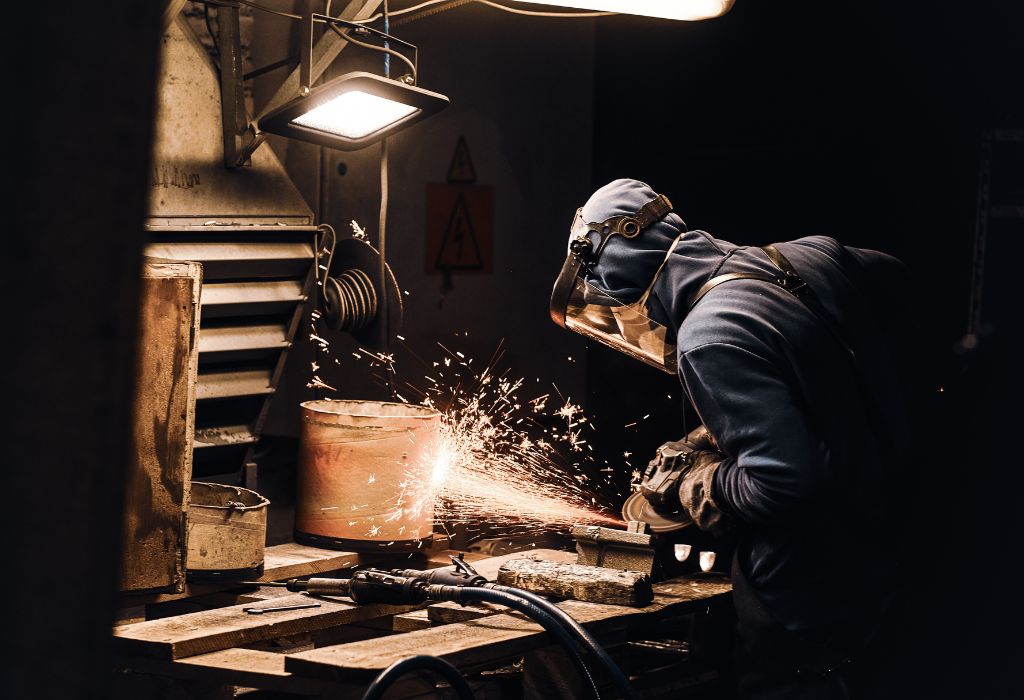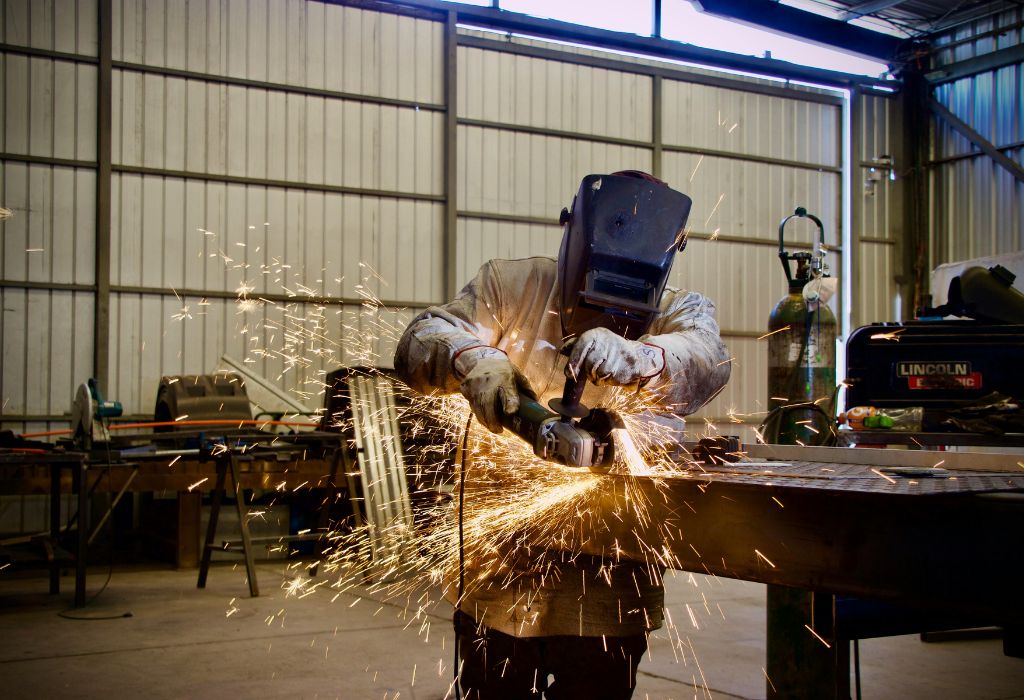
Imagine stepping into a welding workshop for the first time. You notice welders wearing helmets, some with dark lenses, others with electronic adjustments, and you wonder which type is right for you.
Eye protection is critical when welding. Sparks, intense light, and ultraviolet/infrared radiation can cause severe eye damage if the proper helmet isn’t used.
Fixed shade welding helmets are a popular choice for many welders because of their simplicity and reliability. They provide a constant lens darkness, offering protection without the need for electronics or battery power.
For beginners, hobbyists, or even experienced welders in certain applications, understanding the purpose, benefits, and limitations of fixed shade helmets is essential. Choosing the right helmet ensures safety, comfort, and efficient welding.
This guide will explain what a fixed shade welding helmet is, its uses, benefits, limitations, and how to choose the right one. By the end, you’ll understand why many welders rely on this type of helmet for specific welding tasks.
Proper helmet selection not only safeguards your vision but also improves comfort and focus during long welding sessions. Knowing the differences between fixed shade and variable helmets can help you make an informed decision.
Understanding Welding Helmets
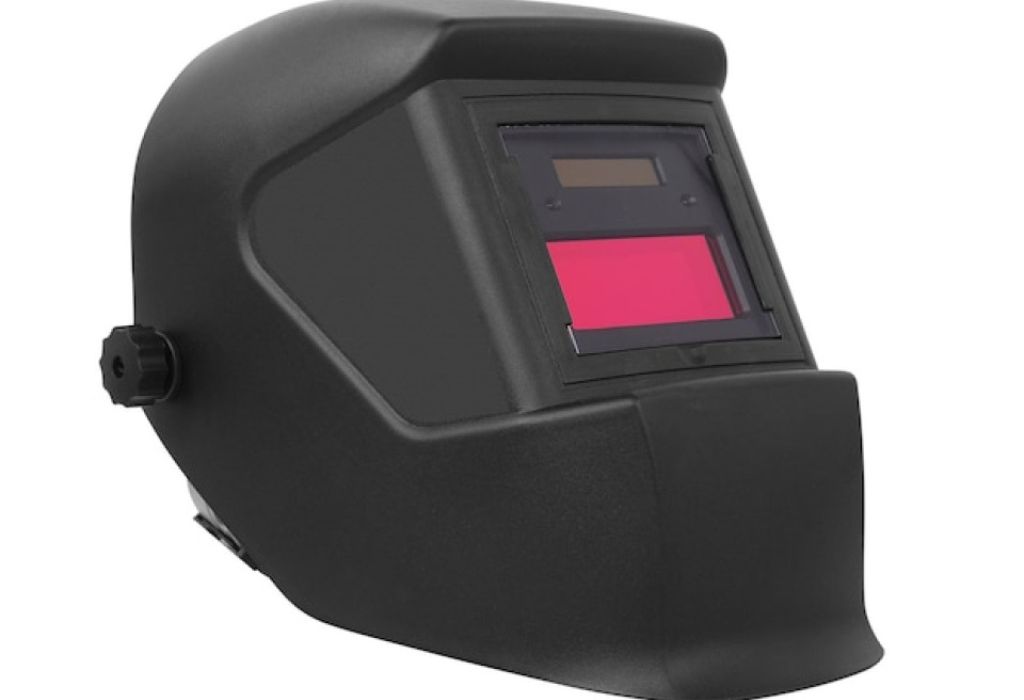
Welding helmets are designed to protect your eyes, face, and neck from sparks, intense light, and harmful radiation. They are essential gear for anyone performing arc welding, MIG, TIG, or stick welding.
Most welding helmets fall into two categories: fixed shade and auto-darkening. Fixed shade helmets have a constant darkness level, while auto-darkening helmets adjust the shade automatically when welding starts.
A typical welding helmet consists of a helmet shell, a lens, and adjustable headgear. The lens filters harmful light, and the shell protects against flying sparks or debris.
The shade rating of the lens is critical for eye safety. Using a shade that’s too light can expose your eyes to harmful radiation, while an excessively dark shade can make it difficult to see your work.
Different welding processes emit different light intensities. For instance, TIG welding at low amperage produces less light than stick welding at high amperage. Choosing the correct shade is essential.
Fixed shade helmets are preferred in situations where welding conditions are consistent. They provide reliable protection without adjustment, which is helpful for repetitive tasks or specific amperage ranges.
What Is a Fixed Shade Welding Helmet
A fixed shade welding helmet is a helmet that has a lens with a constant, predetermined darkness level. It does not adjust automatically based on welding intensity.
Common fixed shades are typically numbered 10, 11, or 12, depending on the welding type. These numbers indicate the level of light filtration the lens provides.
Advantages of fixed shade helmets include simplicity, reliability, and affordability. Since there are no electronics, there’s nothing to fail during welding.
However, fixed shade helmets are less versatile than auto-darkening helmets. They are ideal for welds performed at a consistent amperage but less convenient when switching between different welding types or voltages.
Typical use cases include stick welding, MIG welding at consistent amperage, and other applications where light intensity doesn’t vary. The constant shade ensures safety without adjustments.
Compared to variable or auto-darkening helmets, fixed shade helmets are easier to maintain, do not require batteries, and are generally lighter and more durable.
Benefits of Using a Fixed Shade Helmet
Fixed shade helmets are cost-effective, making them ideal for beginners or hobbyists who don’t need advanced features.
They are durable and require minimal maintenance since there are no electronic sensors or batteries. This makes them suitable for harsh environments.
Many models are lightweight, which improves comfort during long welding sessions. Less fatigue allows welders to focus on precision and technique.
A fixed shade provides consistent protection. Welders do not need to adjust the shade constantly, which reduces the risk of exposure to harmful light.
They are highly reliable in situations where electronic helmets might fail, such as in wet or dusty environments. Mechanical durability ensures uninterrupted use.
Fixed shade helmets require no batteries and are ready to use at any time. This convenience is a major reason why professionals and hobbyists alike choose them for consistent tasks.
Limitations and Considerations
Fixed shade helmets are not ideal for all welding processes. They lack the flexibility of auto-darkening helmets when switching between TIG, MIG, or different amperages.
Using a fixed shade helmet for low-amperage welding may cause eye strain. The lens can be too dark, making it difficult to see fine details.
Choosing the correct shade number is critical. Using a shade that’s too light exposes your eyes to harmful UV/IR radiation.
The lack of adjustability may require welders to switch helmets when performing different types of welds, which can be inconvenient.
Comfort and safety are dependent on the correct selection. A well-fitted helmet reduces strain on the neck and ensures proper coverage.
Beginners should understand their welding requirements before purchasing. Fixed shade helmets are excellent for consistent, repetitive work but may not suit varied tasks.
Choosing the Right Fixed Shade Helmet
Identify your primary welding process and typical amperage. Different processes require different shade ratings to protect your eyes properly.
Check manufacturer recommendations for shade numbers. Stick welding often requires shades 10–14, while TIG at low amperage may need a lower shade.
Consider helmet weight and headgear comfort. Adjustable headgear ensures stability and reduces neck strain during extended sessions.
Look for safety certifications such as ANSI Z87.1 or EN 379. Certified helmets meet strict protection standards.
Evaluate helmet shell durability and coverage area. Full-face coverage is recommended to prevent burns or exposure to sparks.
Determine your budget relative to required performance. Fixed shade helmets are generally less expensive, but investing in quality ensures better durability and protection.
Maintenance and Safety Tips
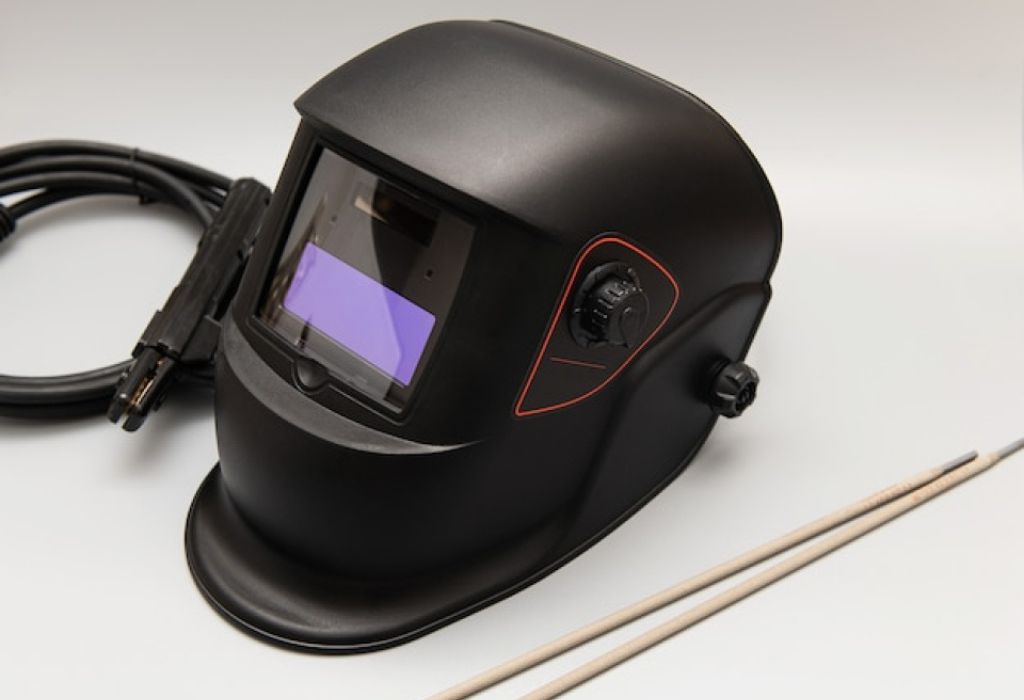
Clean the lens regularly to maintain visibility. Smudges, dirt, or welding residue can reduce clarity and increase eye strain.
Inspect the helmet for cracks or damage before each use. Damaged helmets compromise protection and may fail during welding.
Replace scratched or discolored lenses promptly. A compromised lens reduces light filtration and can allow harmful UV/IR rays to reach your eyes.
Ensure headgear is secure and adjustable for proper fit. A loose helmet may shift during welding and reduce protection.
Store the helmet in a dry, safe place. Avoid exposure to extreme temperatures or chemicals that could weaken the shell or lens.
Follow the manufacturer’s instructions for maintenance. Proper care prolongs helmet life and ensures consistent safety during welding tasks.
Frequently Asked Questions
What welding processes work best with a fixed shade helmet?
Stick welding, MIG welding at consistent amperage, and other repetitive tasks are ideal.
Can I use a fixed shade helmet for TIG welding?
Yes, but only if the amperage is consistent and matches the shade rating.
How do I choose the correct shade number?
Refer to the welding process, amperage, and manufacturer recommendations. Shade 10–12 is common for stick and MIG welding.
Are fixed shade helmets suitable for beginners?
Yes, they are simple, reliable, and cost-effective for new welders.
How do fixed shade helmets compare to auto-darkening helmets?
Fixed shade helmets are simpler, more durable, and cheaper, but less versatile for varied welding tasks.
Can I upgrade a fixed shade helmet to variable?
No, you would need to purchase a separate auto-darkening helmet.
Is eye strain a concern with fixed shade helmets?
It can be, especially if the shade is too dark for low-amperage welding.
How long does a fixed shade helmet last?
With proper care, many helmets last for several years or even decades.
Are fixed shade helmets lighter than auto-darkening ones?
Generally, yes. Without electronics or batteries, they tend to be lighter and easier to wear.
Can I use it outdoors in bright sunlight?
Yes, but ensure the shade rating is appropriate for high light conditions to prevent glare and eye fatigue.
Conclusion
A fixed shade welding helmet is a simple, reliable protective tool for welders performing consistent welding tasks. It provides constant eye protection without electronics or batteries.
Understanding your welding process, selecting the correct shade, and maintaining the helmet properly ensures safety and comfort.
While fixed shade helmets lack the versatility of auto-darkening models, they are ideal for beginners, hobbyists, and professionals performing repetitive work.
Choosing the right helmet protects your eyes, improves comfort during long welding sessions, and allows you to focus on precision and quality. Proper care and correct usage make a fixed shade helmet a durable, dependable choice for any welder.

I’m Darrell Julian, the founder, lead writer, and hands-on welding enthusiast behind ArcWeldingPro.com. With more than 15 years of real-world welding experience, I created this platform to share what I’ve learned in the field, in the shop, and in the heat of the arc.