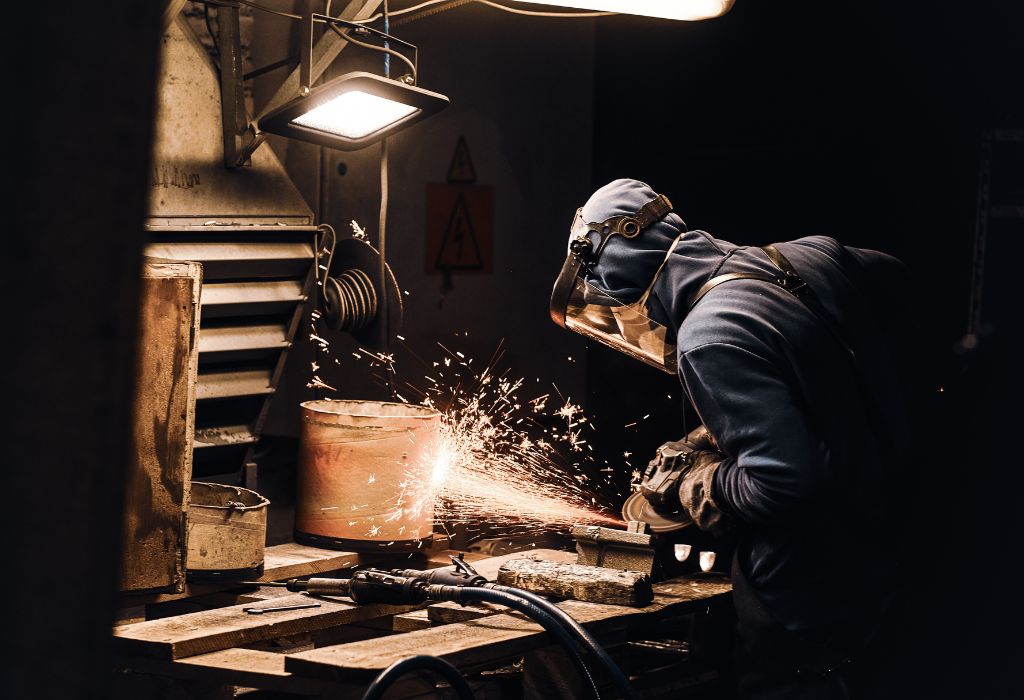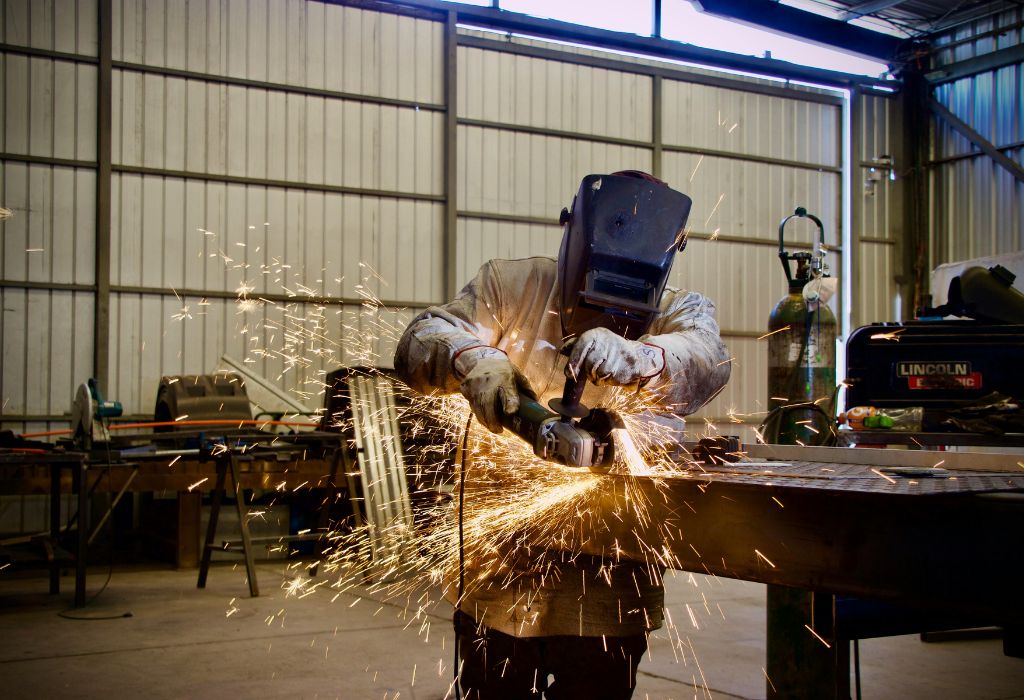
Imagine you’re preparing for a critical welding project and are browsing new helmets. You notice the term “capacity” in the product specifications, but you aren’t sure what it means or how it affects your safety.
Many beginner welders are confused by this term. Some assume it relates to weight, others think it refers to the lens darkness, and a few mistakenly believe it indicates how many hours the helmet can be used safely.
Understanding the capacity of a welding helmet is vital. It affects safety, comfort, and performance, and choosing a helmet without knowing this detail can lead to eye strain, poor visibility, or inadequate protection.
Modern helmets feature auto-darkening lenses, adjustable shade numbers, sensitivity controls, and wide viewing areas. The capacity influences how effectively these features protect your eyes, face, and neck during extended welding sessions.
Statistics show that many beginner welders suffer fatigue, eye discomfort, or minor injuries due to helmets with insufficient coverage. The helmet’s capacity is one of the most overlooked but critical aspects of safety.
This guide will explain what helmet capacity is, why it matters, and how to select the right one for your welding needs. You’ll also learn about helmet types, practical usage tips, and maintenance techniques.
By the end, you’ll understand how capacity impacts safety, precision, and comfort, allowing you to weld efficiently without compromising protection.
Section 1: Basics of Welding Helmets
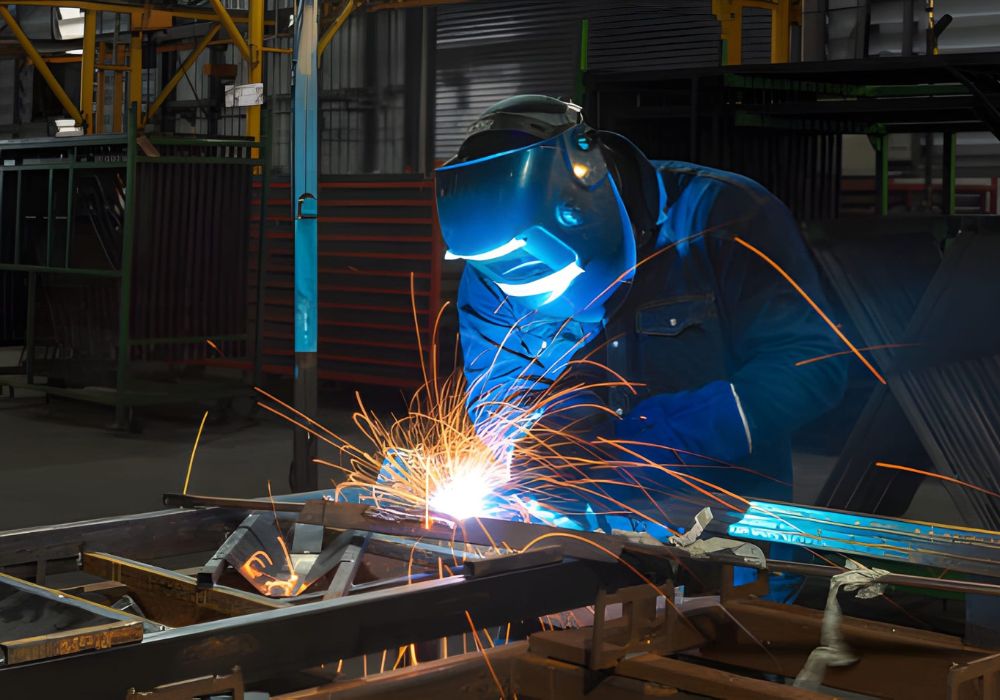
Welding helmets are designed to protect the eyes, face, and neck from harmful light, sparks, heat, and radiation. They allow welders to work safely while maintaining visibility of the workpiece.
There are two main types: passive helmets and auto-darkening helmets. Passive helmets have fixed lenses that stay dark at all times, while auto-darkening helmets adjust the lens tint automatically when an arc is detected.
Safety is the most important factor in helmet selection. A well-designed helmet ensures the welder’s eyes are shielded from ultraviolet (UV) and infrared (IR) radiation, preventing burns and long-term damage.
Helmets also include various features such as shade numbers, sensitivity settings, and viewing area dimensions. Understanding these features is essential to fully grasp how capacity influences protection.
Comfort is also crucial, particularly for long projects. Headgear adjustments, padding, and balanced weight distribution are all related to the helmet’s capacity and coverage.
Proper helmet care, including cleaning lenses and inspecting the headgear, ensures that all protective features remain effective. Neglecting maintenance can reduce protection and make even high-capacity helmets unsafe.
Section 2: Understanding Helmet Capacity
The capacity of a welding helmet refers to the coverage area and protection offered to the welder. It encompasses lens size, viewing area, and the helmet’s ability to shield the face and neck.
Capacity determines how much of your face is protected from sparks, UV/IR radiation, and molten metal. A helmet with low capacity may leave gaps, increasing risk of injury.
Different helmets offer varying capacities depending on design, intended use, and price range. Professional helmets often provide larger coverage, while budget models may only protect basic areas.
Manufacturers indicate capacity through specifications like lens dimensions, coverage angles, and total protected area. Understanding these metrics helps you compare helmets effectively.
High-capacity helmets provide better eye protection and reduce the need for additional safety gear, such as face shields or goggles. They also accommodate extended welding sessions comfortably.
Capacity is not only about size—it’s also about functionality. Proper capacity ensures auto-darkening lenses, sensors, and shading elements are effective throughout the protected area.
Section 3: Why Capacity Matters
A larger helmet capacity provides full coverage of the face, neck, and even parts of the shoulders. This reduces the chance of sparks or hot metal causing injury.
Proper capacity improves precision by maintaining a stable and clear view of the welding line. Misalignment or gaps can result in poor-quality welds.
Helmet capacity also reduces eye strain. When the lens and viewing area are sufficient, the welder doesn’t need to constantly adjust posture or focus, which is especially important for long tasks.
For different welding types—MIG, TIG, or Stick—adequate coverage prevents exposure to harmful arcs and spatter. Each method may require slightly different protection angles.
Beginners benefit significantly from high-capacity helmets, as they provide a margin of error while learning proper welding technique. Professionals also rely on full coverage for complex or long-duration projects.
Proper capacity balances safety with comfort. A well-fitted helmet ensures protection without causing neck fatigue or obstructing movement.
Section 4: How to Choose the Right Helmet Capacity
First, consider your welding style and the materials you’ll work with. TIG welding requires more precise visibility, while Stick welding may need broader face coverage.
Assess the lens size and viewing area. A larger viewing area improves visibility and reduces the need for head movement.
Ensure proper fit for your head size. Adjustable headgear, padding, and balanced weight are key factors in choosing the right capacity.
Balance protection with weight. High-capacity helmets offer more coverage but may be heavier, which can cause fatigue over long periods.
Check manufacturer specifications for recommended capacity and coverage angles. These metrics ensure the helmet matches your specific welding applications.
Test the helmet if possible. Adjust the headgear and positioning to ensure full coverage without restricting vision or movement.
Section 5: Additional Features Related to Capacity
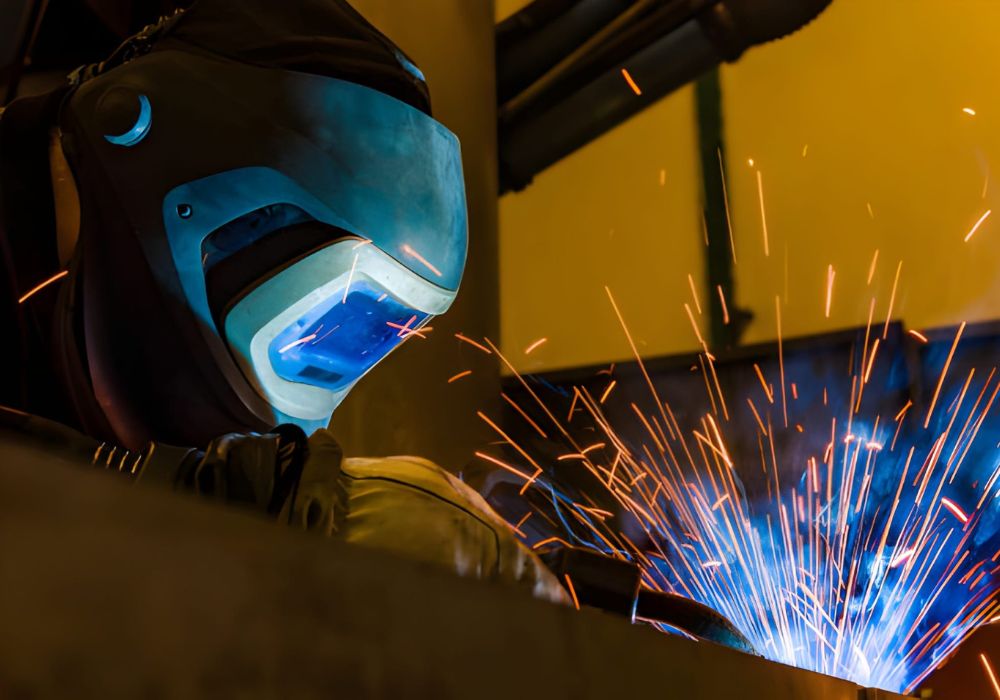
The viewing area is a critical component of helmet capacity. Larger viewing areas allow better visibility of the workpiece while maintaining safety.
Adjustable headgear helps accommodate different head sizes and preferences. Proper adjustment ensures the helmet sits correctly, maximizing coverage.
Auto-darkening features interact with helmet capacity. Sensors must cover the entire viewing area to protect the eyes effectively.
Ergonomic design is also tied to capacity. Helmets that distribute weight evenly reduce strain and allow extended wear.
Lens replacement and maintenance depend on capacity. Larger lenses or grids require proper care to maintain full coverage and visual clarity.
Advanced helmets may include expanded protection zones for shoulders or upper chest. This is particularly useful in industrial or heavy-duty welding.
Frequently Asked Questions
What does capacity mean on a welding helmet?
Capacity refers to the amount of coverage the helmet provides for your face, neck, and viewing area.
Is bigger capacity always better?
Not always. While more coverage improves safety, it can add weight and reduce comfort. Balance is key.
How does capacity affect auto-darkening helmets?
Larger viewing areas require sensors to cover more space, ensuring consistent protection and shade adjustment.
Does helmet capacity impact arc visibility?
Yes, a larger capacity with a bigger lens improves visibility, allowing precise weld placement.
Can a small helmet still be safe?
Yes, if it fits well and covers the critical areas, though it may offer less margin for error.
How do I measure helmet capacity?
Check lens size, coverage angles, and total protected area in the manufacturer’s specifications.
Are there industry standards for capacity?
Some standards exist for lens protection and arc rating, but coverage can vary by manufacturer.
Does capacity influence helmet weight?
Yes, higher capacity often adds material, increasing weight. Proper headgear adjustment helps mitigate fatigue.
Can helmet capacity vary for different welding types?
Yes, TIG welding may need smaller precise coverage, while MIG and Stick welding benefit from broader protection.
How often should I check helmet fit and capacity?
Inspect before each project, especially for auto-darkening helmets, to ensure proper coverage and safe operation.
Conclusion
The capacity of a welding helmet is a crucial factor in safety, comfort, and performance. It determines how much of your face, neck, and viewing area is protected during welding.
Proper capacity ensures protection from sparks, UV/IR radiation, and molten debris. It also reduces eye strain and improves precision.
Choosing the right helmet requires considering lens size, coverage area, fit, and ergonomic design. Balancing safety with comfort is essential for long welding sessions.
By understanding welding helmet capacity and selecting the right size for your work, you can weld safely, efficiently, and comfortably every time. Proper capacity is key to high-quality, safe welding performance.

I’m Darrell Julian, the founder, lead writer, and hands-on welding enthusiast behind ArcWeldingPro.com. With more than 15 years of real-world welding experience, I created this platform to share what I’ve learned in the field, in the shop, and in the heat of the arc.