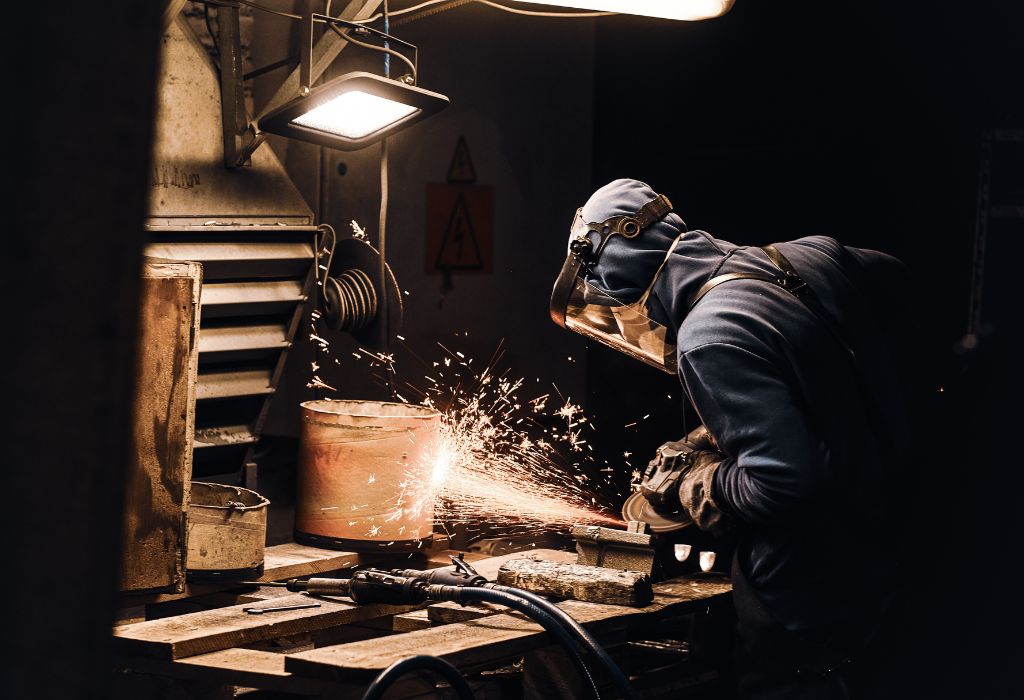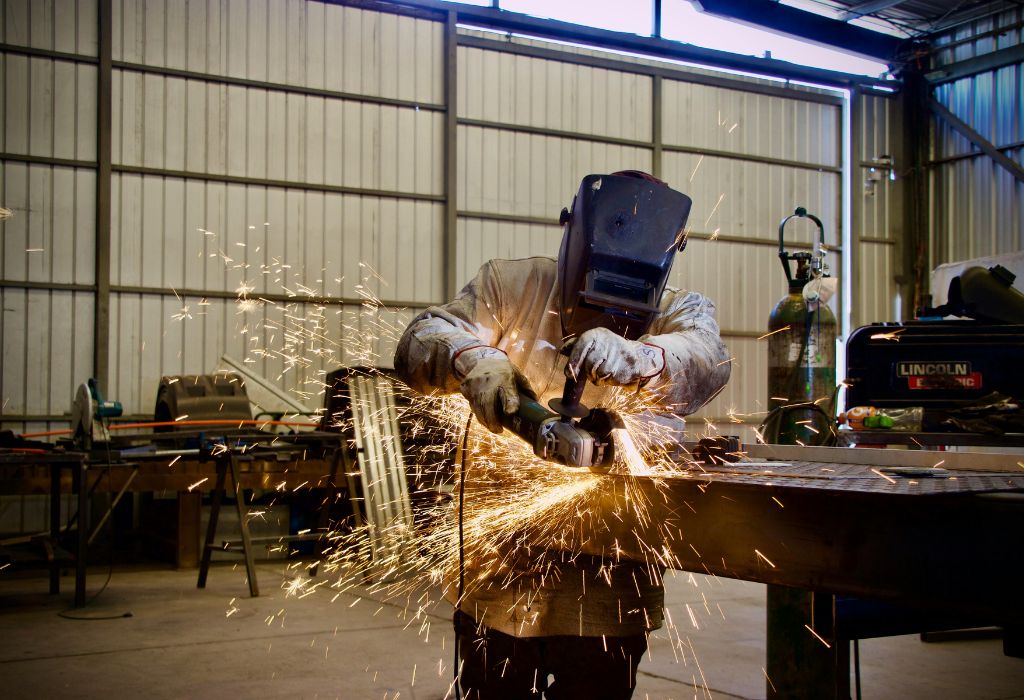
The air crackles with heat as sparks jump off the welding torch. The glow of molten metal lights up your workspace, and for a split second, you feel the warmth against your hands. If you’re wearing the right welding gloves, that heat stays where it belongs — outside. But with the wrong pair, even a brief touch of metal can turn into a painful lesson.
Every welder knows that gloves are more than just protective gear. They’re your connection to the work, a balance between safety and precision. Yet one of the biggest questions both beginners and professionals face is what material makes the best welding gloves.
From rugged cowhide to flexible goatskin and high-tech Kevlar blends, every material offers something unique. Choosing the right one depends on the kind of welding you do, the conditions you work in, and how much dexterity you need.
In this guide, we’ll explore every major welding glove material, breaking down how each performs under heat, sparks, and pressure — so you can find the perfect pair that protects your hands and boosts your performance.
Why Welding Glove Material Matters
Welding gloves are the first line of defense between your skin and extreme heat. The material determines not only how much protection you get but also how much control you maintain over your tools.
A good pair of gloves shields against burns, molten spatter, and UV radiation. But if the material is too stiff or too thick, you’ll lose precision, especially during detailed TIG welding.
Different materials balance protection and flexibility in different ways. Cowhide offers toughness and longevity, while goatskin gives you the fine control needed for intricate welds.
Choosing the wrong material can lead to overheating, reduced comfort, and even accidents from poor grip or restricted hand movement.
That’s why professionals often own multiple pairs — each suited for a specific task or welding type. Understanding how materials perform helps you match your gloves to your job and stay safe while working efficiently.
Types of Materials Used in Welding Gloves
Welding gloves come in many types of natural and synthetic materials. The most common are cowhide, goatskin, pigskin, deerskin, and elkskin. Each one provides different levels of durability, comfort, and flexibility.
Cowhide is the classic choice for heavy-duty welding because it resists heat and wear. Goatskin is thinner and more flexible, perfect for TIG welding where touch sensitivity matters.
Pigskin stands out for its moisture resistance, making it great for humid environments or outdoor work. Elkskin and deerskin strike a balance between comfort and strength, giving welders both flexibility and heat control.
In recent years, manufacturers have introduced synthetic and Kevlar-blended gloves. These offer enhanced flame resistance and durability but often cost more.
No single material is perfect for all jobs. The key is to choose one that aligns with your welding method and comfort preferences.
Cowhide – The Most Common and Durable Choice
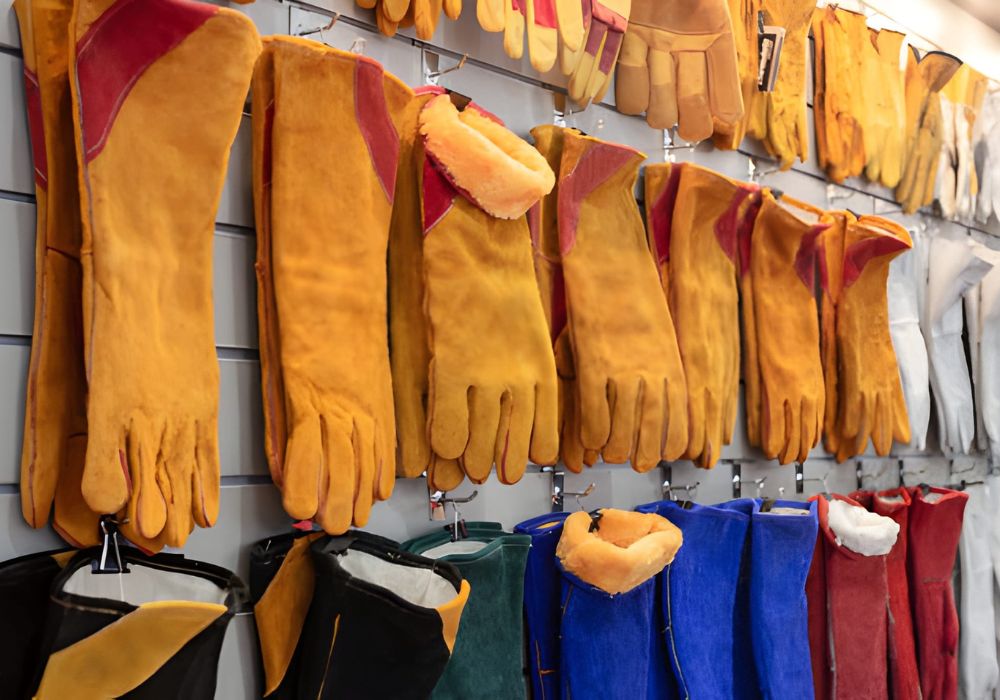
Cowhide has earned its reputation as the most dependable welding glove material. It’s thick, strong, and naturally resistant to abrasion and punctures. For MIG and Stick welding — both known for producing high heat and heavy sparks — cowhide gloves are unbeatable.
The dense fiber structure of cowhide makes it extremely durable under intense working conditions. It provides excellent insulation, keeping your hands protected during long sessions.
However, cowhide can feel stiff when new and may require a short break-in period before becoming fully flexible. Once softened, it molds comfortably to your hand while maintaining protection.
Because of its widespread availability, cowhide is also one of the most affordable materials, offering great value for professional welders.
If you’re working in industrial settings or tackling thick steel, cowhide gloves are your safest and most reliable choice.
Goatskin – The Most Flexible and Lightweight Option
For welders who prioritize precision and movement, goatskin is the go-to material. It’s naturally thin yet strong, giving excellent control for tasks that demand accuracy, like TIG welding.
Goatskin has a fine grain and smooth texture, which allows welders to grip tools comfortably without losing tactile feedback. Despite being thinner, it offers good resistance to sparks and moderate heat.
The flexibility of goatskin makes it feel almost like a second skin. This helps when manipulating filler rods, torch handles, or fine seams.
Because of its lighter build, goatskin isn’t ideal for extremely high temperatures, but it excels in precision work where control matters more than brute protection.
Most high-end TIG welding gloves are made from goatskin or a combination of goatskin with Kevlar stitching for extra durability.
Elkskin and Deerskin – Comfort Meets Strength
Elkskin and deerskin strike a perfect balance between protection and comfort. Elkskin has a natural ability to resist stiffening after exposure to heat, making it ideal for prolonged welding sessions.
The soft, flexible texture molds comfortably to your hands, while the thick hide provides strong protection from spatter and radiant heat. It’s a favorite among professionals who need a glove that performs well over long hours.
Deerskin, on the other hand, is known for its lightweight comfort and breathability. It allows excellent hand movement and resists moisture better than most leathers.
These materials are often chosen for multi-process welders who switch between MIG, TIG, and Stick. They provide the versatility and comfort needed to adapt quickly without changing gloves.
Both elkskin and deerskin come at a higher price, but they deliver outstanding comfort and longevity — making them a worthwhile investment for frequent welders.
Pigskin – Breathable and Oil-Resistant
Pigskin welding gloves are known for their excellent breathability and resistance to moisture. The porous structure of pigskin leather allows air to circulate, keeping your hands cooler during long welding sessions.
One of its standout qualities is its ability to remain soft even after getting wet. This makes pigskin gloves ideal for outdoor or humid environments where other leathers may stiffen.
Pigskin also resists oil and grease, which is useful in maintenance or field welding work. It provides good flexibility and moderate heat protection, suitable for MIG or light-duty Stick welding.
While not as durable as cowhide, pigskin offers comfort and adaptability that many welders appreciate. Its moisture tolerance gives it a unique advantage in variable weather conditions.
Synthetic and Kevlar-Blended Materials
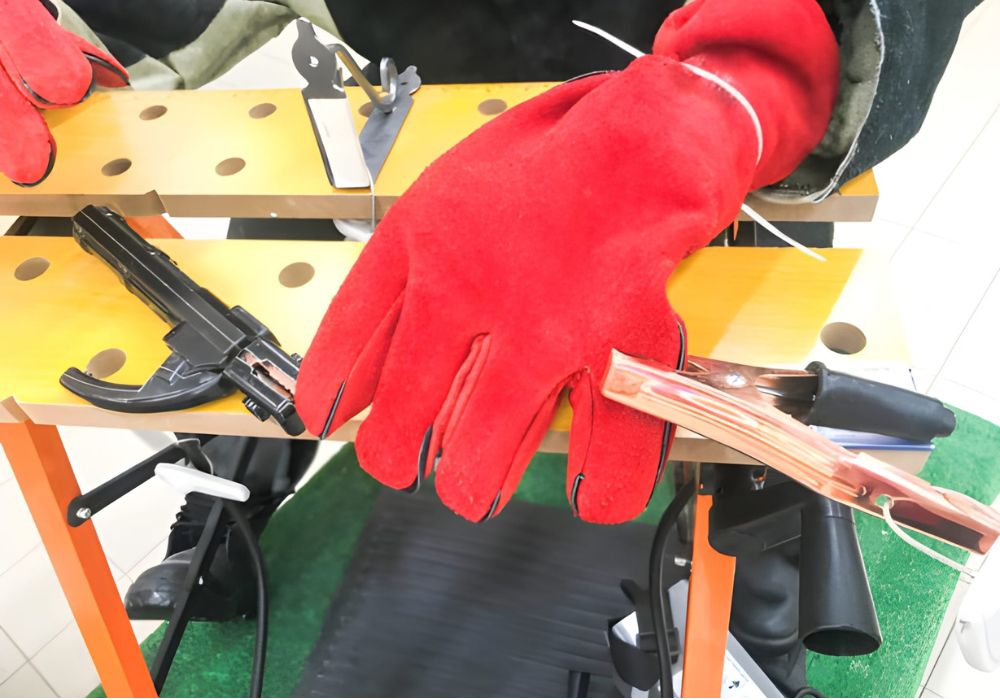
Modern welding gloves often include synthetic materials like Nomex, Kevlar, or carbon-fiber blends. These advanced fabrics enhance performance where traditional leathers reach their limit.
Kevlar stitching adds exceptional strength to seams, preventing tearing under high stress. Some gloves even feature full Kevlar construction for maximum cut and flame resistance.
Nomex, another heat-resistant material, is commonly used in aerospace and industrial applications. It withstands extreme temperatures without burning or melting.
Synthetic blends also improve flexibility and reduce weight. They’re often combined with leather palms to balance comfort and durability.
While these gloves tend to cost more, they deliver top-tier protection for professional environments with extreme heat or hazardous materials.
Which Material Is Best for Each Welding Type
Each type of welding demands a different balance of protection and precision.
MIG Welding produces moderate heat and spatter, so cowhide or pigskin gloves work best. They provide insulation and toughness while allowing decent flexibility.
TIG Welding requires high precision, making goatskin or deerskin ideal. Their softness and dexterity allow smooth control over torch and filler movements.
Stick Welding generates the most heat and spatter. Thick cowhide or elkskin gloves are recommended for maximum protection and endurance.
For multi-process welders, hybrid gloves that combine goatskin palms with cowhide backs offer the best of both worlds — flexibility and heat resistance.
Matching glove material to welding type ensures both safety and performance, keeping your hands comfortable and protected no matter the task.
Other Factors to Consider When Choosing Welding Gloves
Material alone doesn’t define a glove’s performance. Several other factors play key roles in comfort and protection.
The lining affects insulation and comfort. Cotton or fleece linings improve softness, while wool or thermal linings enhance heat resistance.
Cuff length matters too. Longer cuffs protect your wrists and forearms from sparks and slag, especially during overhead welding.
Pay attention to stitching quality. Kevlar stitching withstands heat and friction better than standard thread, extending glove life.
Fit and size influence how well you can control your torch or electrode. Gloves that are too loose can reduce precision, while tight gloves cause discomfort.
Lastly, check for safety standards like EN 12477 or ANSI ratings. Certified gloves meet strict protection requirements, giving you peace of mind while working.
FAQ – Common Questions About Welding Glove Materials
Which leather lasts the longest for welding gloves?
Cowhide typically lasts the longest due to its thickness and durability, making it ideal for heavy-duty use.
Is goatskin safe for TIG welding?
Yes, goatskin is perfect for TIG welding. It offers the dexterity needed for delicate control while providing sufficient protection.
What is the toughest material for high heat?
Elkskin and cowhide are the best for extreme temperatures. They resist heat and spatter without stiffening.
Are synthetic gloves better than leather?
Not always. Synthetics like Kevlar excel in heat resistance but may lack the natural grip and comfort of leather.
How do I care for my welding gloves?
Keep them dry and clean. Avoid soaking in water, and store them in a cool, dry place. Lightly oil leather if it starts to stiffen.
Which gloves are best for outdoor welding?
Pigskin gloves perform well outdoors thanks to their moisture resistance and breathability.
Do I need different gloves for MIG and TIG?
Yes. MIG gloves focus on protection, while TIG gloves prioritize control. Using both ensures better safety and precision.
What’s the best budget-friendly material?
Cowhide offers great protection and affordability, making it ideal for most welders.
Do glove liners make a difference?
Yes, liners enhance comfort, absorb sweat, and add an extra layer of insulation.
Can I mix materials for better results?
Many professionals do. Hybrid gloves combine goatskin palms with cowhide backs to balance flexibility and heat resistance.
Conclusion
The best material for welding gloves depends on how and where you weld. Cowhide delivers unmatched durability for heavy work, while goatskin gives precision for delicate TIG welding. Elkskin and deerskin bring comfort and flexibility, and pigskin shines in outdoor or humid conditions.
Synthetic and Kevlar blends push performance further, offering exceptional resistance for demanding environments.
No single material wins in every category. The right pair is the one that keeps your hands safe, lets you work comfortably, and matches the heat and precision of your craft.
When sparks fly, the best welding gloves are the ones you can trust — the perfect mix of protection, control, and comfort crafted from the right material for your hands.

I’m Darrell Julian, the founder, lead writer, and hands-on welding enthusiast behind ArcWeldingPro.com. With more than 15 years of real-world welding experience, I created this platform to share what I’ve learned in the field, in the shop, and in the heat of the arc.