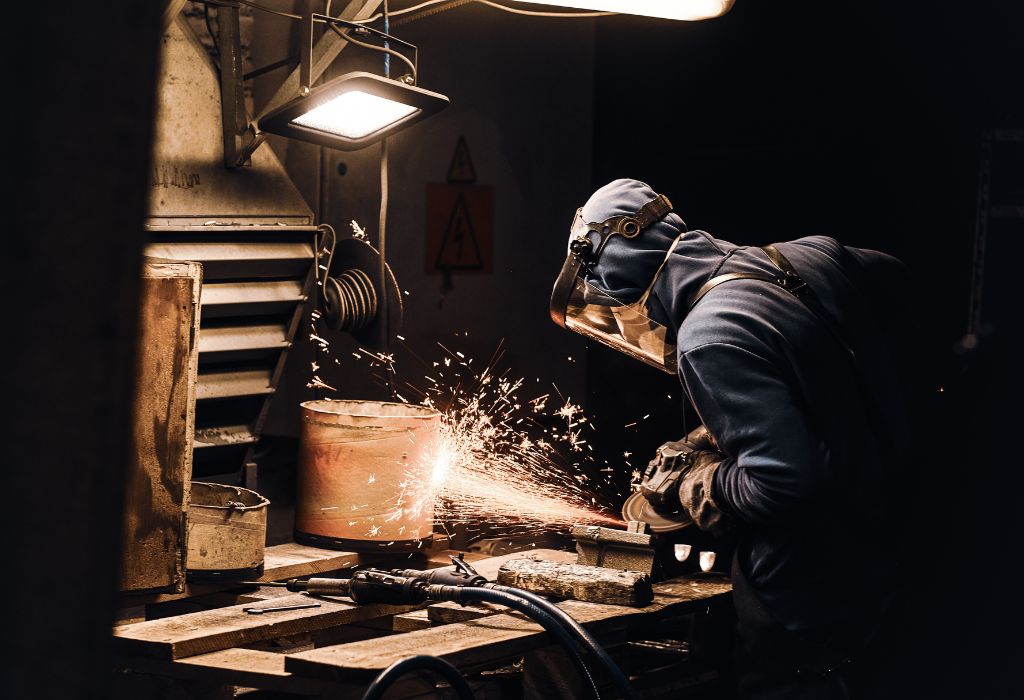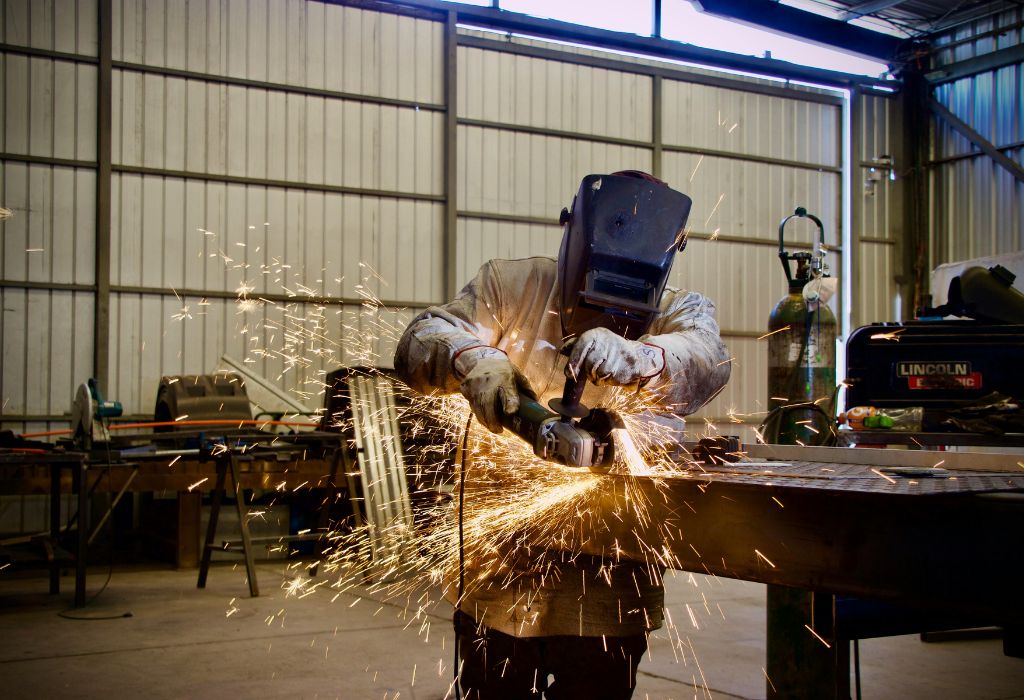
Sparks fly as molten metal drips from the welding torch. The heat is intense, and glowing fragments scatter across the workshop floor. Amid this fiery environment, one tool quietly stands between safety and injury — a pair of welding gloves. Without them, even a split second of contact could cause a severe burn. This scene perfectly shows why protective gloves are not optional in welding but essential.
Many beginners know they need gloves but don’t fully understand what defines a proper welding glove or what makes it so effective. These gloves are not just thick leather coverings — they are scientifically designed shields engineered to resist heat, flames, and electrical hazards. Knowing their true definition helps welders choose the right pair for comfort and protection.
In this guide, we’ll explore the exact definition of welding gloves, their importance, materials, types, and maintenance — everything you need to know to work safely and confidently around sparks and heat.
Definition of Welding Gloves
Welding gloves are specialized protective gloves designed to shield a welder’s hands from heat, sparks, molten metal, and electrical hazards during welding operations. They act as a thermal barrier, allowing safe handling of hot materials while maintaining control and dexterity.
According to ISO 11611 and EN 407 standards, welding gloves must provide resistance to heat, flame, and mechanical stress. They are made from materials like leather or treated fabrics that can withstand high temperatures without melting or burning.
These gloves are categorized based on welding type — MIG, TIG, or Stick — each offering different levels of insulation and flexibility. In short, welding gloves define the line between protection and danger in the workshop.
Why Welding Gloves Are Essential for Safety
The welding process exposes hands to extreme hazards. The temperature of an arc can reach up to 6,000 degrees Fahrenheit, producing radiant heat and flying sparks that can easily burn unprotected skin.
Welding gloves prevent direct contact with heat and molten metal spatter. Their insulation also protects against accidental shocks from welding electrodes or wires.
A good pair of gloves also improves grip and stability. It prevents tools from slipping and allows better control during long welding sessions.
Statistics show that over 40% of workshop hand injuries occur due to improper or absent hand protection. Welding gloves dramatically reduce that risk and create a safer working environment.
Materials Used in Welding Gloves
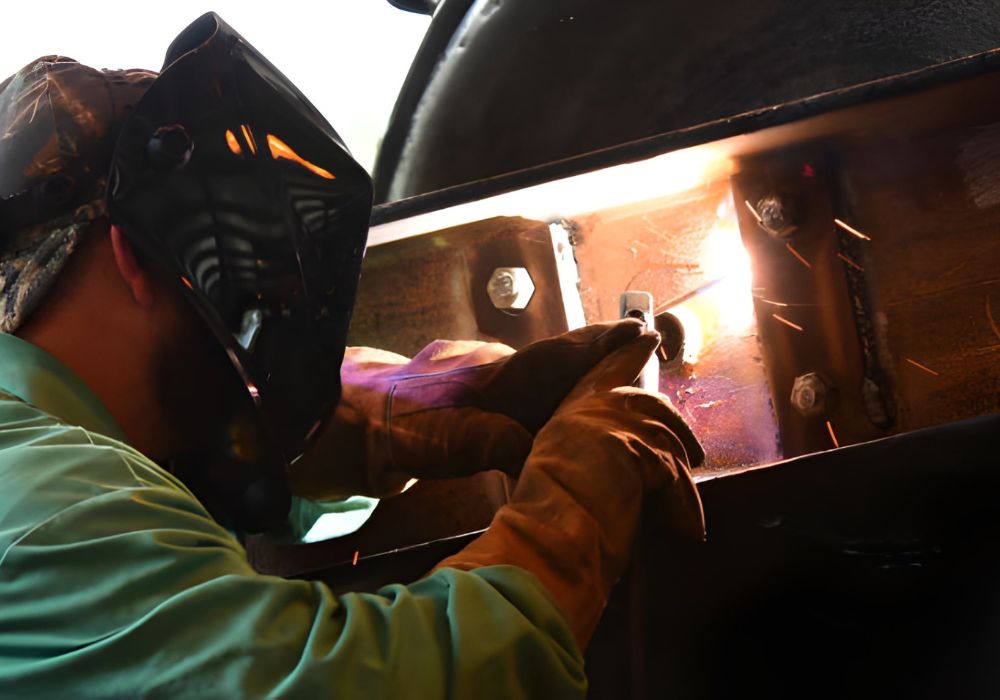
The most common material for welding gloves is leather because of its natural durability and heat resistance. However, not all leather types are equal.
Cowhide is tough, long-lasting, and perfect for heavy-duty Stick welding. It offers excellent protection but can be stiff until broken in.
Goatskin is lightweight and provides excellent finger control, making it ideal for TIG welding where precision matters.
Pigskin remains flexible even when wet and resists heat well, suitable for light to medium welding work.
Deerskin provides outstanding comfort and softness, balancing protection with flexibility for general use.
Many gloves also feature cotton or Kevlar lining to add comfort and enhance insulation. Kevlar stitching increases strength, preventing seams from burning or fraying under high temperatures.
Some advanced gloves include aluminized backs or flame-retardant coatings to reflect heat and add another layer of defense. The material composition defines not only comfort but also the level of protection a welder receives.
Different Types of Welding Gloves and Their Uses
Welding gloves vary depending on the process used. Each type balances protection and dexterity differently.
MIG welding gloves are thick and insulated because MIG welding produces high heat and spatter. They prioritize protection over flexibility and often have reinforced palms and cuffs.
TIG welding gloves are thinner and made from soft leather like goatskin or deerskin. They allow precise finger movement for delicate tasks, such as controlling filler rods.
Stick welding gloves are the most rugged, built from cowhide or elk skin. They handle intense heat, sparks, and prolonged exposure to flames.
Each glove type is optimized for its specific welding process. Choosing the correct one ensures both comfort and complete safety during work.
Design Features That Define a Good Welding Glove
A well-made welding glove offers protection without sacrificing comfort. Reinforced palms and fingers absorb vibration and resist punctures from sharp metal edges.
Long cuffs protect the wrist and lower arm from sparks and molten metal. Many professional gloves extend up to 16 inches for full forearm coverage.
Proper fit matters just as much as protection. Gloves that are too tight restrict movement, while loose gloves can slip and expose skin.
Breathability is another factor welders appreciate during long hours. Good gloves balance insulation and ventilation to prevent sweating while maintaining grip.
Ergonomic stitching and curved finger design follow natural hand movement, reducing fatigue. These small features make the difference between a protective glove and a performance glove.
Maintenance and Care of Welding Gloves
Taking care of welding gloves extends their lifespan and ensures safety remains intact. Dirty or damaged gloves can lose their protective properties over time.
After each session, remove metal debris or slag that can weaken the material. Never wash leather gloves in water, as it causes stiffness and cracking. Instead, use a soft brush or dry cloth for cleaning.
Store gloves in a cool, dry place away from direct sunlight and moisture. Extreme heat or humidity can degrade the leather’s flexibility and fire resistance.
Inspect gloves regularly for burn marks, holes, or loose seams. Replace them immediately if any damage appears, since weakened areas can no longer block heat effectively.
Proper maintenance not only saves money but ensures consistent safety on every job.
Common Mistakes Welders Make with Gloves
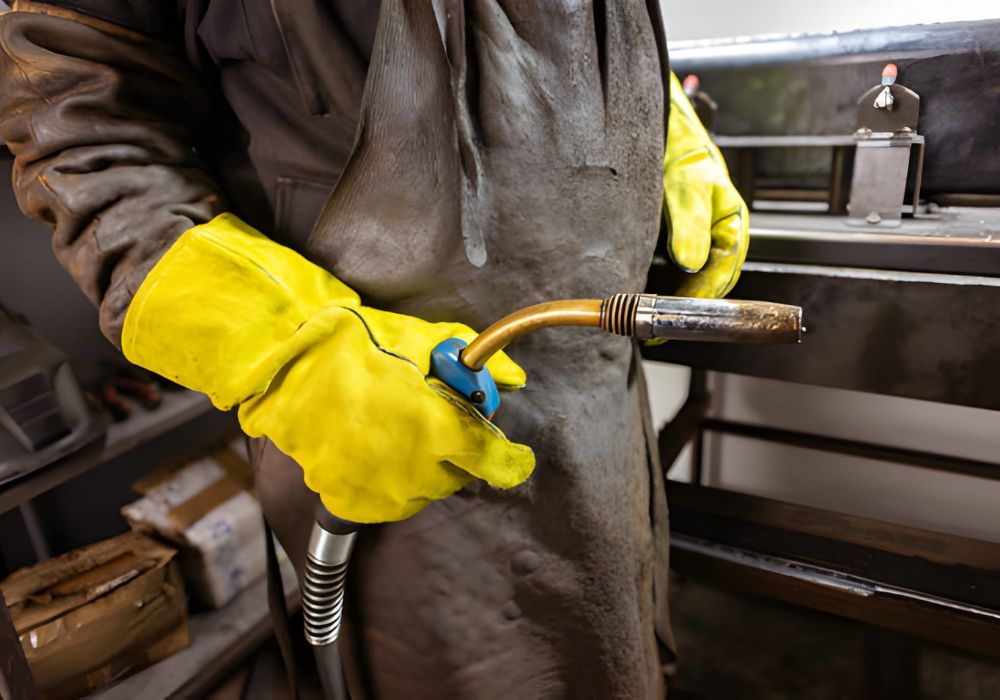
One common mistake is using the wrong glove type for the welding process. Thick Stick welding gloves, for example, reduce control during TIG welding.
Another issue is ignoring heat damage. Many welders continue using scorched or hardened gloves that no longer provide adequate insulation.
Poor fit is another frequent problem. Oversized gloves slip during work, while tight ones restrict hand movement and cause fatigue.
Reusing oily or contaminated gloves poses safety risks too. Oil residues can catch fire under extreme temperatures, so cleanliness is vital.
Avoiding these mistakes keeps hands safe and improves performance in every welding session.
FAQ – Common Questions About Welding Gloves
What are welding gloves made of?
They are primarily made from heat-resistant leathers like cowhide, goatskin, or deerskin, often lined with cotton or Kevlar.
Can you wash welding gloves?
No, leather gloves should not be soaked. Instead, clean them with a dry brush or damp cloth to remove debris.
Are welding gloves heat-proof or heat-resistant?
They are heat-resistant, not heat-proof. They can handle high temperatures for short periods but will burn if exposed too long.
Are welding gloves electricity-proof?
They provide limited electrical protection but are not meant for live electrical work. Always use appropriate insulated gloves for electrical welding.
How long do welding gloves last?
With proper care, quality gloves can last several months to over a year, depending on usage frequency and intensity.
Conclusion
Welding gloves are more than just hand coverings — they are critical safety equipment that defines a welder’s protection and performance. By shielding hands from burns, sparks, and electrical risks, they allow welders to focus on precision rather than fear of injury.
The definition of welding gloves extends beyond materials and design. It represents the first line of defense in one of the world’s hottest, most demanding trades. Choosing the right type, maintaining them well, and using them correctly ensures every welder works safely, confidently, and efficiently.

I’m Darrell Julian, the founder, lead writer, and hands-on welding enthusiast behind ArcWeldingPro.com. With more than 15 years of real-world welding experience, I created this platform to share what I’ve learned in the field, in the shop, and in the heat of the arc.