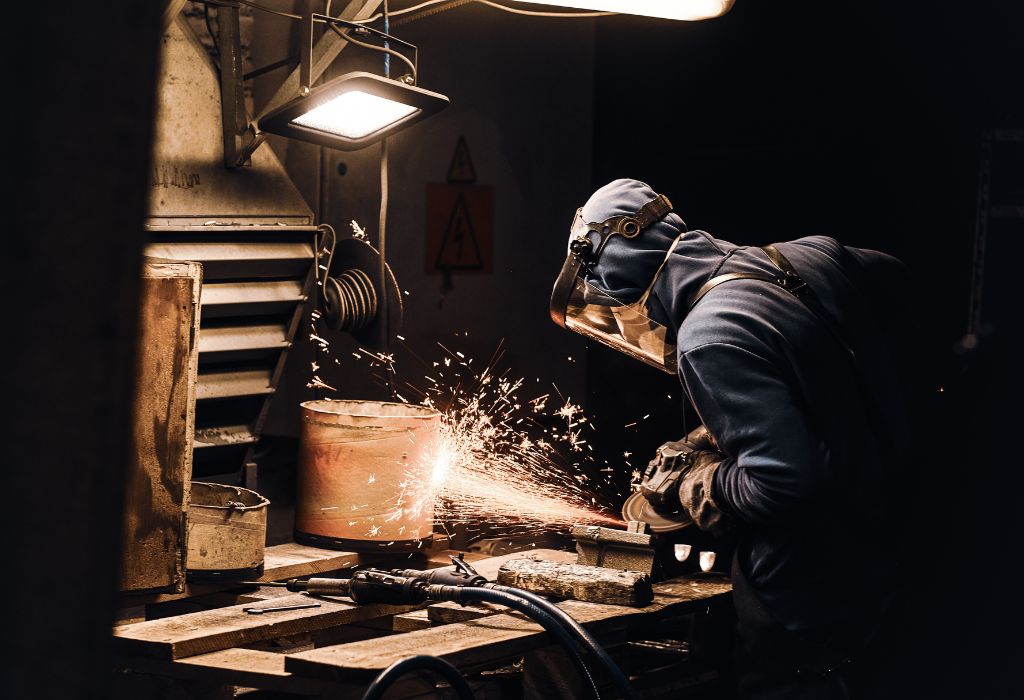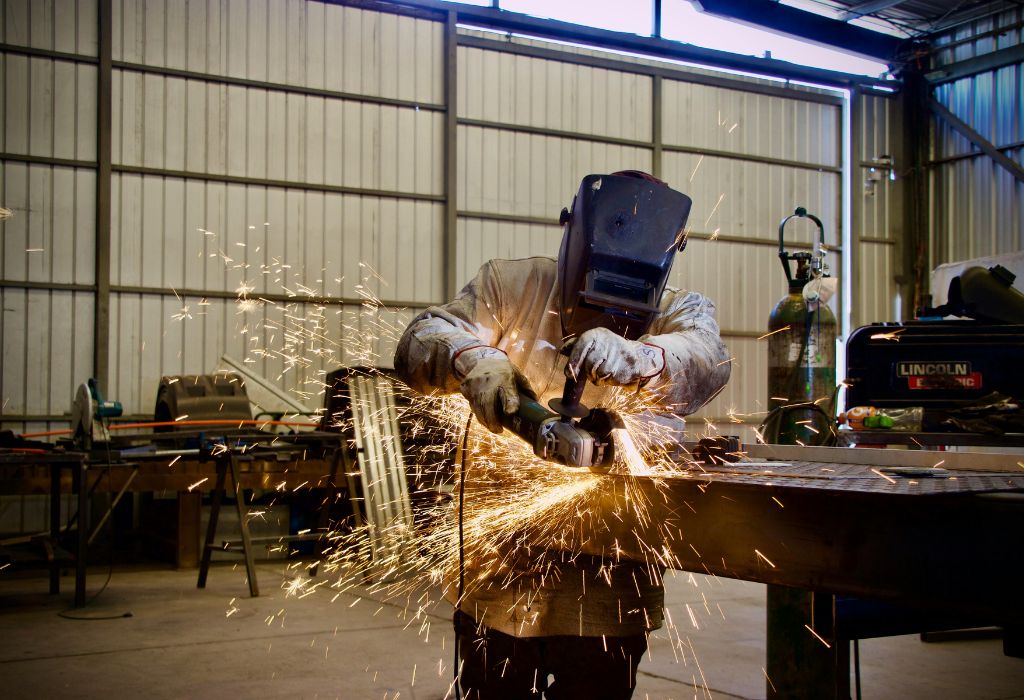
You slip on your welding gloves, ready to strike the first arc. The thick leather feels sturdy, the stitching solid, but one detail stands out — a strange flap hanging near the wrist. At first glance, it might look unnecessary or decorative. But once the sparks start flying, you realize it serves a vital role in keeping your hands safe from the heat and chaos of welding.
Every welder knows that a small mistake can lead to burns, blisters, or worse. When molten metal spits from a weld, it seeks the smallest opening to sneak through — including the space between your sleeve and glove. That’s where the flap comes in. It acts as a shield, covering vulnerable areas to stop hot debris from entering.
According to industrial safety standards, hand protection is one of the top priorities in metal fabrication. Studies show that nearly 40% of welding-related injuries involve burns to the hands and wrists. The flap might look simple, but it plays a powerful role in preventing those injuries.
In this guide, we’ll uncover what that flap on a welder’s glove really does, how it’s built, and why it’s essential for every welder — beginner or expert — who values both comfort and safety.
Understanding the Design of a Welder’s Glove
A welder’s glove is more than just thick leather wrapped around your hand. Every stitch, seam, and flap is designed to handle extreme temperatures, flying sparks, and molten metal. These gloves are built to protect against radiant heat and contact burns that occur during intense welding tasks.
Most welding gloves are made from split cowhide, goatskin, or pigskin. The outer layer resists heat and abrasion, while the inner lining provides comfort and insulation. Heavy-duty Kevlar stitching holds everything together, ensuring seams don’t melt or weaken under pressure.
The gloves often extend beyond the wrist, forming long cuffs that overlap with your jacket sleeves. This extended cuff prevents sparks from reaching your skin when working close to hot metal.
Attached to this cuff is the flap — a flexible yet tough piece of leather that creates an additional safety barrier. It may seem like a minor addition, but it fills a critical gap between the glove and your welding jacket.
By combining durability, insulation, and flexibility, welding gloves allow you to move freely while staying fully protected. Their design reflects decades of safety research and practical workshop experience.
The Purpose of the Flap on a Welder’s Glove
The flap on a welder’s glove is a heat shield that protects the sensitive area between your wrist and forearm. It’s typically found where the glove cuff meets the sleeve, overlapping the edge of your jacket or welding apron.
When sparks, slag, or molten metal fall during welding, they often bounce unpredictably. The flap ensures none of that debris slips inside your gloves. Without it, even a tiny piece of molten steel can burn through clothing and cause severe injury.
In addition to heat protection, the flap also guards against UV radiation produced during arc welding. This extra layer prevents exposure to ultraviolet light that can dry out or burn skin over time.
The flap also helps maintain a proper seal between the glove and sleeve, reducing airflow that could carry heat and particles inward. For welders who work in confined or overhead positions, this small design detail becomes a lifesaver.
Whether you’re performing MIG, TIG, or Stick welding, that small piece of leather quietly does the heavy lifting when it comes to protection.
How the Flap Enhances Safety During Welding
Safety in welding is not just about wearing gloves — it’s about how those gloves perform under real conditions. The flap protects your hands from hazards that appear suddenly and without warning.
When welding overhead or vertically, sparks and molten metal naturally fall downward. The flap covers the open area at the wrist, stopping hot particles from slipping into your glove. Without that shield, molten splatter could easily cause second-degree burns.
The wrist and forearm contain sensitive tendons and blood vessels that need extra care. The flap acts as a barrier between them and the extreme heat, minimizing exposure to radiant energy.
It also reduces the risk of your jacket sleeve catching fire. By overlapping with your sleeve, the flap ensures no direct path exists for heat or sparks to reach your clothes.
This design not only improves safety but also builds confidence. Knowing your hands are protected allows you to focus on precision rather than fear of injury.
Materials and Construction of the Flap

The flap is usually made from the same high-grade material as the rest of the glove — typically split cowhide or goatskin. These leathers offer excellent heat resistance and durability while remaining flexible enough for movement.
For industrial-grade gloves, manufacturers often use reinforced leather layers to improve protection. Some models even have double or triple-stitched seams around the flap to prevent tearing under stress.
Heat-resistant Kevlar thread binds the flap securely to the cuff. Unlike cotton or nylon, Kevlar doesn’t melt or weaken under high temperatures, ensuring the flap stays intact even after extended use.
The flap’s thickness varies depending on glove type. Heavy-duty MIG or Stick welding gloves have thicker flaps for higher heat environments, while TIG gloves use thinner, softer leather for precision handling.
This thoughtful construction makes the flap not just a protective piece but an integral component of the glove’s safety system.
Different Styles of Flaps and Glove Designs
Not all welding gloves look the same, and neither do their flaps. Different styles are tailored for different welding methods.
Gauntlet-style gloves, for example, have extended cuffs with large flaps that completely cover the wrist and part of the forearm. They’re preferred by MIG and Stick welders who work with heavy sparks and heat.
Short-cuff gloves, used mostly in TIG welding, have smaller, flexible flaps. These prioritize finger dexterity while still protecting against minor sparks and radiant heat.
Some gloves feature overlapping double flaps or gusset-style extensions for extra security. These designs prevent gaps even when you move your arms or bend your wrist.
Brand variations exist too. Companies like Tillman, Lincoln Electric, and Miller each design their flaps differently, balancing comfort with maximum coverage. Some even include insulated linings or suede overlays for extra softness and grip.
The choice of flap design often depends on your welding type, workspace, and personal comfort.
Common Misconceptions About the Glove Flap
Many new welders mistake the flap for decoration, assuming it serves no real purpose. In reality, it’s one of the most important safety features of the glove.
Some believe it’s meant for comfort or ventilation, but the opposite is true. Its job is to block airflow, heat, and debris from entering through the wrist opening.
Another misconception is that the flap makes gloves bulkier or harder to move in. Modern designs use flexible leather and precise stitching to ensure smooth movement without restricting grip.
A few welders remove or cut the flap thinking it’s unnecessary, which significantly reduces protection. Without that barrier, even a small spark can cause serious burns or ignite clothing.
It’s essential to remember that every part of a welding glove — including the flap — is engineered with safety in mind. Nothing is there by accident.
Caring for and Maintaining the Glove Flap
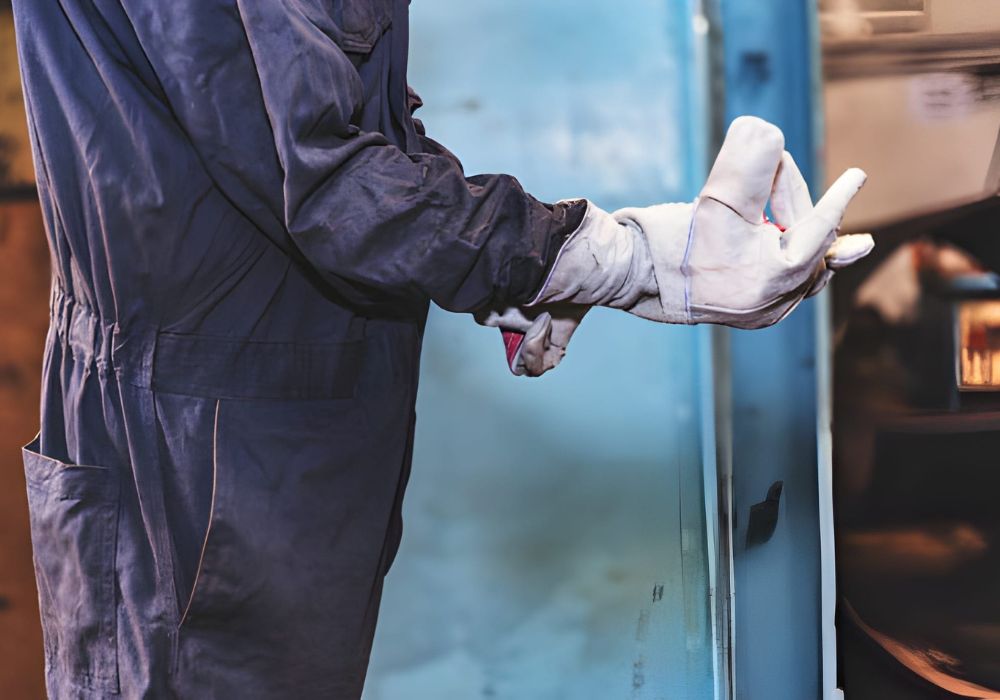
Proper maintenance ensures the flap remains strong and effective. Always clean your gloves after each session to remove dirt and metal dust.
Avoid soaking leather gloves in water. Instead, wipe them gently with a damp cloth and let them air dry naturally. Heat drying can cause cracking and stiffness.
Apply leather conditioner occasionally to keep the flap soft and flexible. Dry leather loses protection and becomes more prone to tearing.
Inspect the stitching and flap edges regularly. If you notice fraying, separation, or burns, replace the gloves immediately. Damaged flaps cannot provide reliable protection.
Store your gloves in a cool, dry place away from direct sunlight. Exposure to heat and moisture can weaken the leather and stitching over time.
With proper care, your gloves and flap can last several months or even years, depending on usage intensity.
FAQ – Common Questions About Welder’s Glove Flaps
Do all welding gloves have flaps?
Most professional-grade welding gloves include flaps, especially for MIG and Stick welding. Some lightweight TIG gloves may have smaller or minimal versions.
Can I weld safely without one?
It’s not recommended. The flap is crucial for preventing burns and blocking sparks, especially in overhead positions.
Why is the flap made of leather instead of fabric?
Leather resists heat, sparks, and abrasion better than fabric. Fabric would burn or melt quickly during welding.
How long should welding gloves last?
With regular use, quality gloves last about six months to a year. Heavy industrial use may shorten their lifespan.
Are longer cuffs better than short ones?
Yes, longer cuffs provide better coverage, especially for high-heat environments. Short cuffs are ideal only for precision TIG work.
Conclusion
The small flap on a welder’s glove might go unnoticed until the moment it saves your skin from a burst of sparks or molten metal. Its job is simple yet vital — to seal off the wrist and forearm area from heat, debris, and radiation.
By combining tough leather, precise stitching, and thoughtful design, the flap turns a regular glove into a complete protective shield. It’s a reminder that in welding, every detail matters.
Next time you gear up, take a second to adjust that flap properly. It’s not just a piece of leather — it’s your first line of defense between craftsmanship and injury.

I’m Darrell Julian, the founder, lead writer, and hands-on welding enthusiast behind ArcWeldingPro.com. With more than 15 years of real-world welding experience, I created this platform to share what I’ve learned in the field, in the shop, and in the heat of the arc.