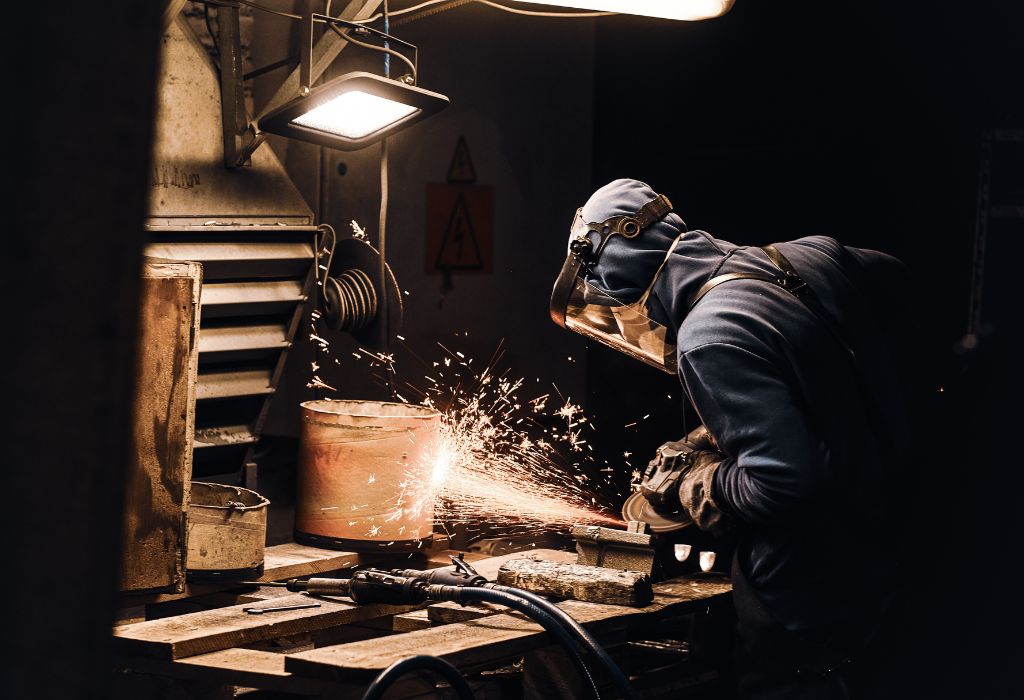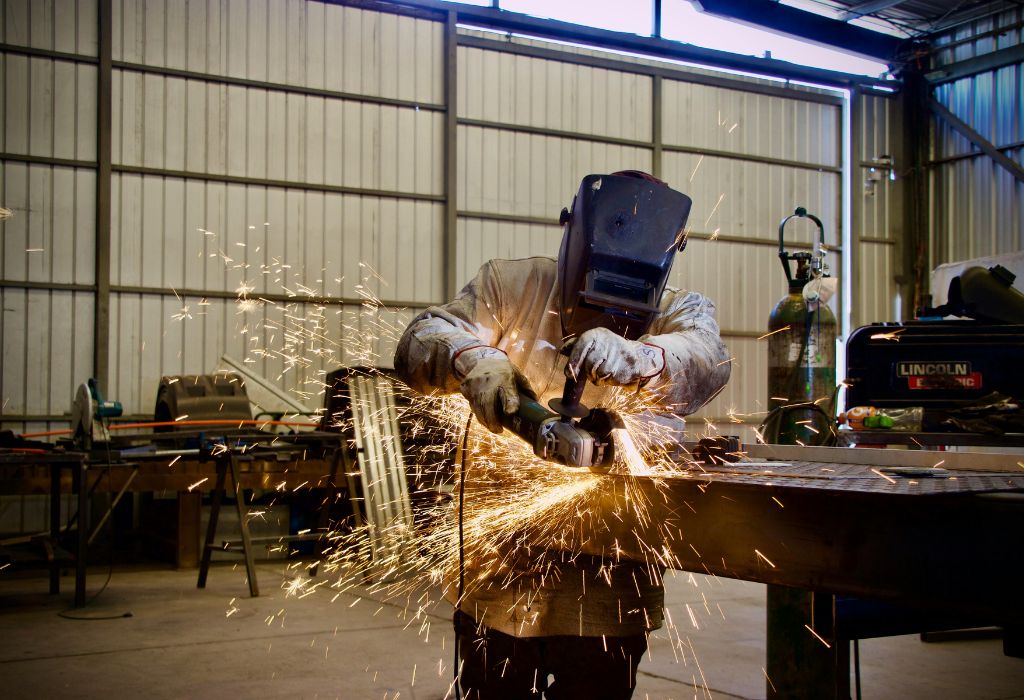
The welding torch hisses, sending sparks flying across the workshop floor. You can feel the warmth building through your gloves, but you trust them to keep your hands safe.
Every welder knows the sensation of heat creeping closer as molten metal flashes inches away. That’s when the question arises — how much temperature can these gloves really withstand?
Welding gloves are more than just protective gear; they are your first line of defense against intense heat, UV radiation, and spatter. A small failure could mean a painful burn or a serious injury.
Most welders assume their gloves can handle anything, but not all materials are created equal. Some gloves endure over 2,000°F, while others fail at just half that temperature.
Understanding the limits of your gloves helps you choose wisely for each type of welding. Whether you’re TIG welding thin stainless steel or stick welding heavy plate, heat levels vary widely.
In this guide, we’ll uncover the science behind glove heat resistance, testing standards, and safety ratings. You’ll learn exactly what temperature welding gloves can withstand and how to protect yourself properly.
By the end, you’ll know how to select gloves that balance comfort, dexterity, and real protection. Because in welding, safety doesn’t just depend on skill — it depends on the gear between you and the flame.
Why Heat Resistance Matters in Welding Gloves
Welding exposes your hands to more heat than almost any other trade. Molten metal, hot slag, and radiant heat can all reach dangerously high temperatures.
Without proper protection, even a brief touch on hot metal can cause severe burns. Radiant heat from the arc itself can reach over 6,000°F, though your gloves experience much less directly.
Heat-resistant gloves reduce the transfer of that thermal energy to your skin. They act as a barrier against direct contact and reflect a portion of the radiant energy.
Each glove layer has a specific role: the outer leather resists sparks, while the inner lining absorbs heat. Together they delay heat penetration and give you valuable reaction time.
If gloves aren’t designed for the specific welding process, they can deteriorate quickly. The seams may open, or the leather can harden and crack.
Different welding methods expose your hands to different kinds of heat. TIG produces controlled radiant heat, while stick welding creates molten spatter and long exposure.
That’s why choosing gloves based only on appearance is risky. The wrong material or stitching can fail at critical moments.
High heat resistance ensures your gloves stay safe, flexible, and durable through every job. It’s not just comfort — it’s protection that prevents long-term hand damage.
Typical Temperature Range Welding Gloves Can Withstand

Most welding gloves are designed to handle extreme conditions, but the actual limit depends on the material. Standard leather gloves can typically withstand 500°F to 1,000°F.
Heavy-duty insulated gloves, especially for stick welding, can tolerate up to 2,000°F for short contact. However, that doesn’t mean you can hold hot metal directly.
Heat endurance depends on both temperature and duration. A glove that resists 1,000°F for five seconds might fail at the same temperature after thirty seconds.
Manufacturers test gloves for both contact and radiant heat exposure. Contact heat simulates touching a hot object, while radiant heat measures long-term warmth near flames.
MIG gloves often withstand around 1,200°F due to thicker leather and padding. TIG gloves, designed for precision, resist about 500°F since they’re thinner for finger control.
Stick welding gloves provide the highest protection, surviving up to 2,000°F for brief exposure. They are bulky but essential for heavy-duty applications.
Aluminized gloves used in foundries and industrial settings can reflect radiant heat exceeding 2,500°F. They’re not typical for welding but show how layering improves resistance.
Always check the glove’s test rating before purchasing. The numbers reflect real lab results, not marketing promises.
By understanding these ranges, you can choose gloves suited to your specific work conditions instead of relying on guesswork.
How Material Type Affects Heat Resistance
Not all leather is equal when it comes to heat tolerance. Each type of hide offers different flexibility, durability, and thermal properties.
Cowhide is the most common and provides strong resistance against heat and abrasion. It remains tough and protective even after repeated exposure.
Goatskin is thinner and more flexible, ideal for TIG welding where touch sensitivity matters. It can withstand around 500°F but sacrifices insulation.
Pigskin handles moisture well and remains soft after drying, making it suitable for outdoor welding. Its heat resistance is moderate but consistent.
Deerskin offers great dexterity and comfort but has limited heat endurance, suitable only for light welding tasks.
Elkskin is excellent for high heat; it resists hardening under extreme temperatures. Many premium stick welding gloves use elkskin for durability.
Split leather, made from the underside of hides, has a rough texture and excellent heat absorption. It’s often used on glove backs and cuffs.
Some gloves include Kevlar, Nomex, or aluminized layers for additional heat protection. Kevlar stitching and reinforcements resist up to 800°F before weakening.
Aluminized outer coatings can reflect up to 90% of radiant heat. These are useful in industrial or high-temperature welding environments.
Understanding these material differences helps you select gloves that fit your welding process perfectly — balancing flexibility and protection.
Comparing MIG, TIG, and Stick Welding Gloves
Each welding process produces different heat levels, so glove design must adapt. TIG, MIG, and stick welding require different balances of insulation and dexterity.
TIG welding gloves are the thinnest, offering fine control for precise movements. They’re typically made from goatskin or deerskin with Kevlar stitching.
These gloves handle around 400°F to 600°F, which is enough for low-spatter, high-precision welding. Their weakness lies in limited insulation.
MIG welding gloves are thicker, providing moderate heat protection while maintaining flexibility. They often use cowhide or pigskin for better durability.
MIG gloves handle up to 1,200°F during short exposure, shielding against sparks and radiant heat. They strike a balance between comfort and toughness.
Stick welding gloves are the heaviest and most heat-resistant of all. They can tolerate up to 2,000°F and feature reinforced palms and cuffs.
Their size may limit movement but offers unmatched safety for high-heat, heavy spatter jobs. Choosing the right glove type ensures both protection and productivity.
Wearing the wrong gloves can reduce performance or even lead to burns. Always match your gloves to your welding process for best results.
The Role of Lining and Stitching in Heat Protection
The outer leather may resist flames, but the inner lining keeps your hands comfortable. Materials like cotton, wool, and fleece add insulation without bulk.
Kevlar lining adds cut resistance and heat endurance, making it ideal for MIG and stick gloves. Some gloves even use thermal cotton with aluminum-coated fabric for maximum protection.
The thickness of the lining determines how long heat takes to reach your skin. Too thick, however, reduces flexibility and tactile feedback.
Proper stitching is equally important because weak seams can open under heat. Kevlar thread is the standard for welding gloves due to its high melting point.
Nylon or polyester stitching should be avoided since they melt at around 400°F. Melted thread can cause blisters or allow seams to split open.
Double or reinforced stitching enhances glove life and safety. It prevents the inner layers from separating during long sessions.
Some premium gloves use welted seams that add leather strips over stress points. This construction resists sparks and friction effectively.
The synergy of leather, lining, and stitching defines glove quality. Without these working together, even high-rated materials fail prematurely.
Testing Standards for Welding Glove Heat Resistance
Professional welding gloves are tested under strict international standards. The EN 407 standard measures protection against thermal risks including heat, flames, and molten metal.
Each glove receives a contact heat rating from Level 1 to Level 4. Level 1 means minimal resistance, while Level 4 endures up to 932°F (500°C).
The ASTM F1060 test measures conductive and radiant heat transfer. It simulates real working conditions where the glove contacts hot surfaces.
ANSI/ISEA 105 is another standard used in North America. It assesses heat resistance, cut strength, and abrasion levels together.
Testing includes direct flame exposure and molten metal splash resistance. Gloves must maintain integrity for a set time before reaching failure temperature.
A glove that passes Level 4 contact heat can handle high temperatures for at least 15 seconds before heat transfer reaches the skin.
These ratings allow welders to compare brands objectively. A certified glove guarantees laboratory-tested performance rather than marketing claims.
Always check for EN 407 or ASTM certification printed inside the glove cuff. It ensures you’re buying genuine, tested protection.
Factors That Reduce Heat Resistance Over Time
Even the best gloves lose protection after months of use. Repeated heating and cooling cycles break down leather fibers and stitching.
Moisture, sweat, and oil exposure accelerate this degradation. When leather absorbs water, its natural heat resistance drops significantly.
High heat hardens leather and causes stiffness, reducing comfort and flexibility. Cracked surfaces allow heat to penetrate faster.
Contamination from welding spatter or chemicals can weaken the glove surface. Always clean gently with a damp cloth, not harsh solvents.
Prolonged exposure to UV light from the welding arc also affects materials. It fades color and reduces elasticity over time.
Stitching may loosen, and linings compress with repeated heat exposure. Once this happens, insulation weakens permanently.
Rotating between multiple gloves extends lifespan. It allows each pair to cool and dry between shifts.
Regular inspection is essential — if gloves show burns, cracks, or open seams, replace them immediately. Safety depends on proactive maintenance, not luck.
How to Choose the Right Welding Gloves by Temperature
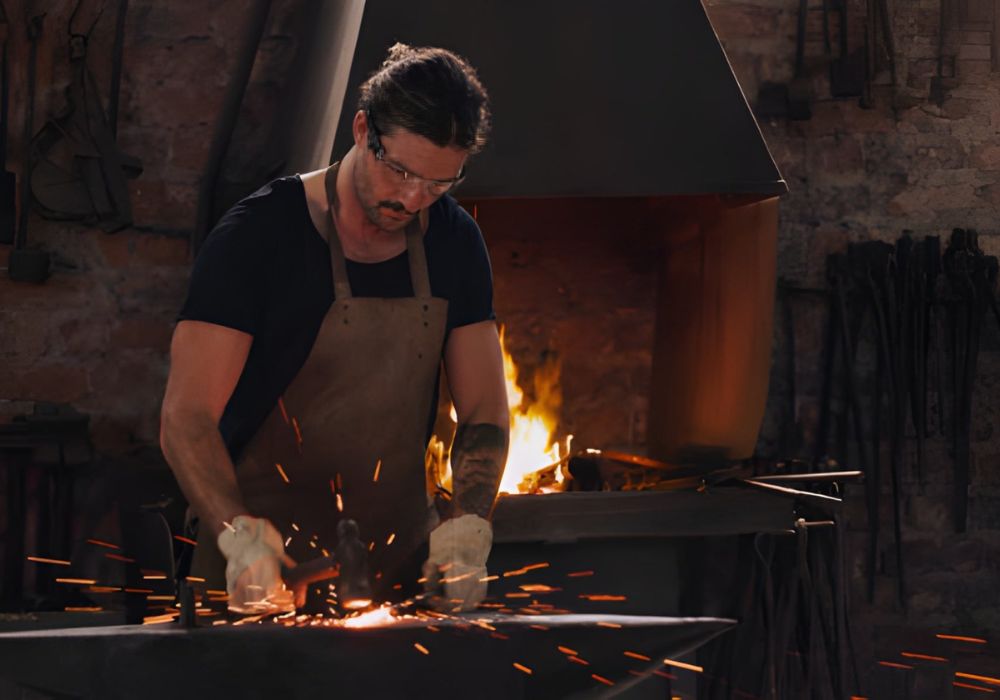
Selecting gloves begins with understanding your welding process. Each method generates unique temperature conditions and exposure duration.
For TIG welding, choose lightweight gloves rated for around 500°F. Prioritize flexibility and fingertip precision over maximum insulation.
For MIG welding, select gloves rated up to 1,200°F with moderate lining. Balance dexterity with enough padding to handle radiant heat.
For stick welding, choose thick, insulated gloves that tolerate up to 2,000°F. Split leather or elkskin options perform best under heavy heat.
If you work in high-temperature environments or near furnaces, consider aluminized outer coatings. They reflect radiant heat efficiently.
Check for reinforced cuffs to protect forearms from sparks and molten metal. Cuff length also affects comfort and mobility.
Fit is crucial — gloves that are too tight restrict blood flow and trap heat. Too loose, and they reduce grip control.
Choose gloves with Kevlar stitching and inner lining certified under EN 407 or ASTM standards. These ensure verified protection levels.
When in doubt, always go for a higher-rated glove than required. It’s easier to adapt to extra protection than to recover from a burn.
Real-World Scenarios: How Hot Is Too Hot
Every welder encounters situations where gloves face extreme temperatures. For example, freshly welded steel can remain above 1,000°F for several minutes.
Touching it even briefly without proper gloves can cause instant burns. That’s why short-contact resistance matters as much as long exposure.
During stick welding, spatter and molten droplets can reach 2,500°F. A split leather glove can resist this for a few seconds before charring.
In MIG welding, radiant heat from the arc reaches your hands through reflection. The glove surface can hit 600°F after several minutes of work.
For TIG welders, gloves mostly deal with radiant heat rather than molten splatter. Here, thinner gloves suffice if exposure time is controlled.
Industrial environments like foundries or shipyards push gloves beyond typical limits. Workers may handle materials glowing red-hot.
No glove can endure continuous exposure to thousands of degrees. The goal is delay — giving you time to react safely.
Always let hot metal cool naturally before moving or touching. Even the toughest gloves cannot compensate for poor handling practices.
Safety Tips to Extend Glove Life
Proper care extends both glove lifespan and heat resistance. Always store gloves in a cool, dry area away from direct sunlight.
Do not leave them near welding torches, stoves, or heaters between uses. Excess heat dries leather and causes cracking.
If gloves get wet, let them air-dry naturally — never use open flames or hot air dryers. Artificial heat destroys fibers.
Brush off slag, dust, and metal debris after every use. These particles can burn into the leather and reduce durability.
Avoid applying oils or conditioners not designed for heat-resistant leather. They can make gloves flammable under high temperatures.
Inspect gloves weekly for holes, thinning areas, or loose stitches. Replace worn-out pairs promptly to maintain safety standards.
Alternate between two or more pairs for long shifts. Cooling periods prevent moisture buildup inside the gloves.
Keep a dedicated pair for high-temperature jobs to avoid unnecessary wear. Proper maintenance ensures lasting comfort and safety performance.
Frequently Asked Questions
How hot can welding gloves get before burning?
Most quality welding gloves withstand 500°F to 2,000°F, depending on material and construction.
What are the best materials for high heat?
Elkskin, cowhide, and aluminized Kevlar layers provide excellent protection from extreme temperatures.
Can I touch red-hot metal with welding gloves?
No. Even heavy-duty gloves resist only brief contact; direct handling will cause burns.
Do TIG gloves handle as much heat as MIG gloves?
No. TIG gloves focus on flexibility, while MIG gloves provide higher thermal protection.
What’s the maximum temperature for stick welding gloves?
Premium stick welding gloves can withstand up to 2,000°F for short exposure.
How do I know if my gloves are heat-rated?
Check the label for EN 407 or ASTM F1060 certification and temperature level.
Do gloves lose protection over time?
Yes. Repeated heat exposure and moisture degrade leather and stitching gradually.
Can I wash welding gloves in water?
No. Water weakens leather and lowers heat resistance. Clean with a dry or damp cloth only.
Is Kevlar stitching necessary?
Absolutely. It prevents seam failure at high heat and adds cut resistance.
Can cheap gloves protect me during heavy welding?
No. Low-cost gloves often use synthetic threads that melt easily under extreme temperatures.
Conclusion
Welding gloves are your hands’ last defense against searing heat, sparks, and molten metal. Understanding their temperature limits ensures both safety and performance.
Most gloves can handle 500°F to 2,000°F depending on their materials and design. Beyond that, protection depends on reaction time and technique.
Choosing the right pair for TIG, MIG, or stick welding is essential for comfort and control. Every glove’s composition — leather, lining, and stitching — affects its resistance.
Follow safety standards like EN 407 and ASTM F1060 to identify trusted products. Certified gloves are tested under real thermal conditions, not marketing claims.
Proper maintenance keeps gloves functional for months of heavy use. Dry them correctly, inspect regularly, and replace them before visible damage occurs.
Always remember: no glove makes you invincible. They buy you seconds of safety that can prevent life-changing injuries.
Investing in high-quality, heat-rated welding gloves protects both your hands and your craft. Welding safely means working confidently — no matter how hot it gets.

I’m Darrell Julian, the founder, lead writer, and hands-on welding enthusiast behind ArcWeldingPro.com. With more than 15 years of real-world welding experience, I created this platform to share what I’ve learned in the field, in the shop, and in the heat of the arc.