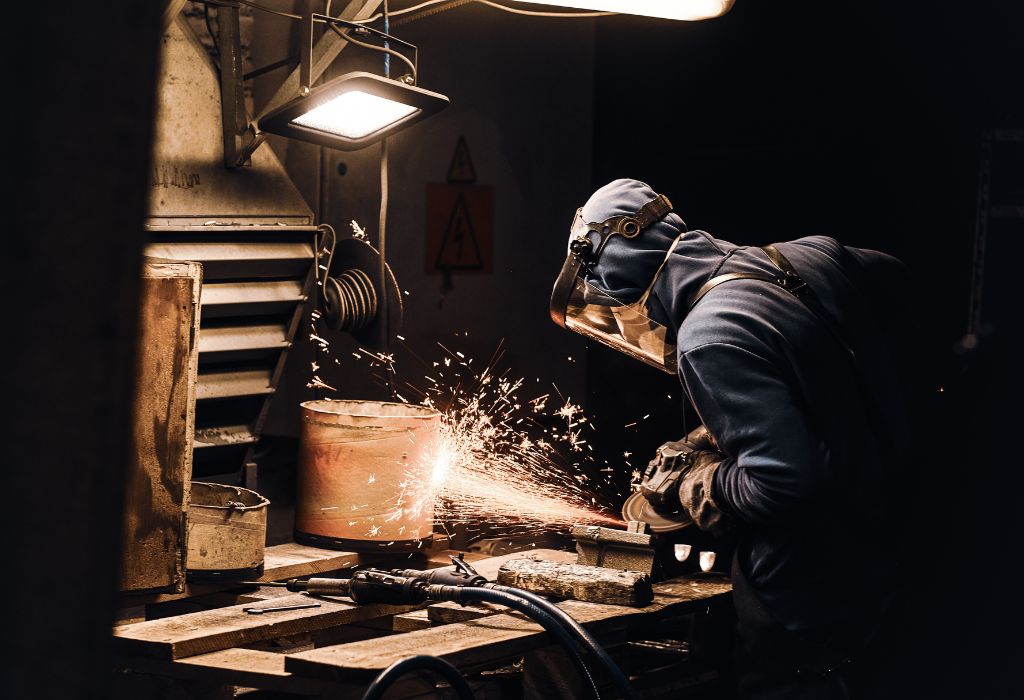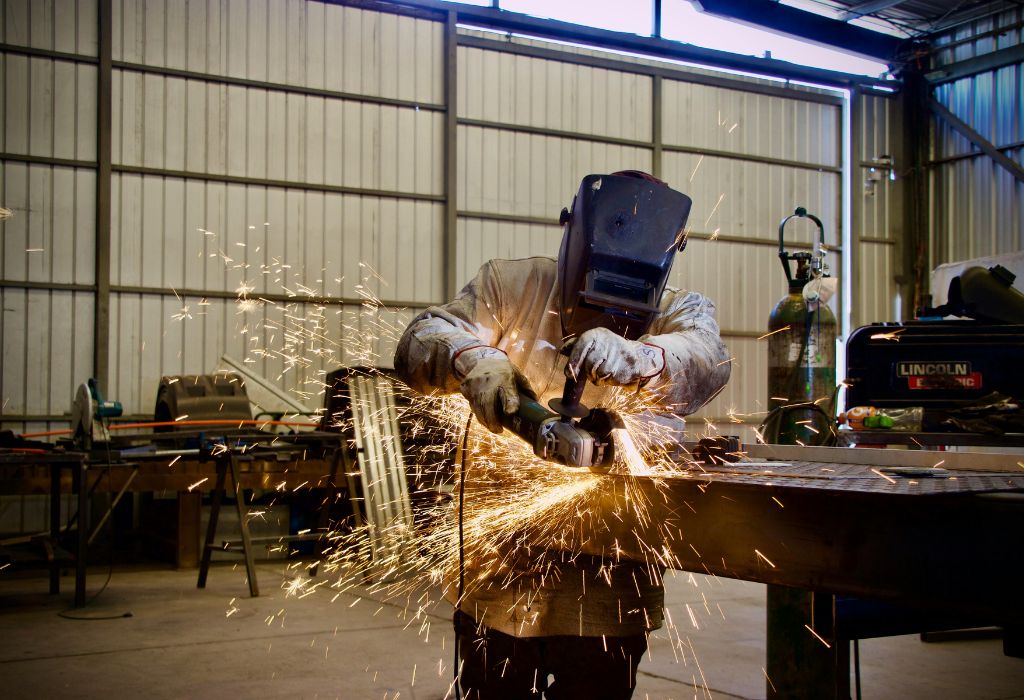
When welders invest in a new helmet, they expect protection, durability, and a trusted brand name. Yet many are surprised to find that the box label often reveals a different country of origin than expected.
This question — where are Lincoln welding helmets made — has become one of the most discussed topics among professionals worldwide. Lincoln Electric has a long history of U.S. manufacturing, but global expansion has changed how and where its helmets are produced.
According to Statista, more than 70% of global welding equipment exports now originate from Asia, especially China and South Korea. (source) That shift has influenced even long-established brands like Lincoln Electric, which balances U.S. design with international production.
This article explores the full story behind Lincoln Electric’s global footprint, revealing exactly where its helmets are made, how production is distributed, and why location doesn’t always determine quality.
Lincoln Electric: A Global Company with Local Roots
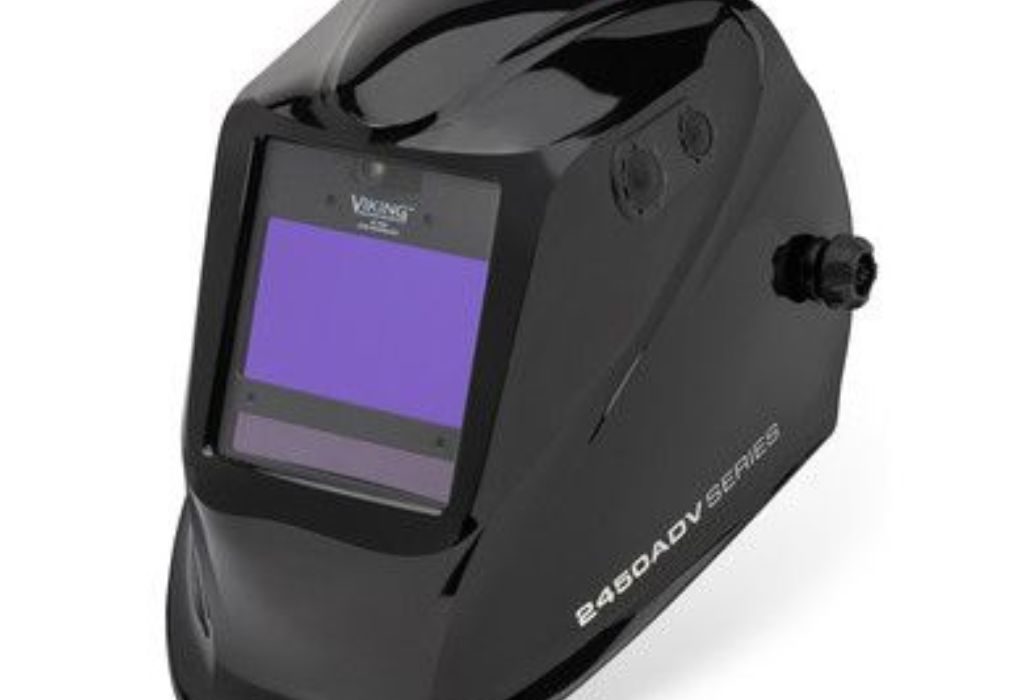
Founded in 1895 in Cleveland, Ohio, Lincoln Electric remains a leading manufacturer of welding products, consumables, and protective equipment. The company’s growth transformed it into a multinational with over 40 manufacturing facilities worldwide.
While its headquarters remain proudly in Euclid, Ohio, the brand’s reach now extends across North America, Europe, Asia, and Latin America.
Where is Lincoln Electric headquartered?
Lincoln Electric’s corporate headquarters and original production center are in Euclid, Ohio, USA.
How many facilities does the company operate?
More than 40 manufacturing and support sites span continents, serving both industrial and consumer markets. (source)
Are all Lincoln products built in the U.S.?
No — many are designed and engineered in Ohio but assembled or produced in global facilities.
Why does Lincoln Electric use international sites?
Strategic production across regions reduces logistics costs and ensures product availability in local markets.
How does this impact welding helmets specifically?
Certain models are built in North America, while others come from factories in Asia or Europe depending on demand and supply chain factors.
Where Are Lincoln Welding Helmets Actually Made?
Determining the exact manufacturing country for each helmet model requires checking its packaging or product code. Lincoln Electric offers multiple helmet lines — from budget-friendly auto-darkening units to premium industrial models — and their origins differ.
Several verified retail listings, such as on Northern Tool, state that some Lincoln auto-darkening helmets are manufactured in China. (source)
Are all Lincoln helmets made in China?
No — only selected models are manufactured there, while others are produced or assembled in Mexico, Europe, or the USA.
Why would Lincoln Electric manufacture in China?
China offers specialized optical component suppliers, streamlined electronics assembly, and competitive production costs.
Are there any U.S.-made Lincoln helmets?
Some industrial models are believed to be assembled in the U.S., though official documentation varies by model.
How can a buyer confirm manufacturing origin?
Check the product’s label, serial code, or contact Lincoln Electric’s customer service for verification.
Does country of origin affect product certification?
No — all helmets, regardless of origin, must meet ANSI Z87.1 and CSA Z94.3 standards before sale.
Inside Lincoln’s Global Manufacturing Network
Lincoln Electric’s manufacturing network spans multiple continents. Facilities in the U.S. focus on R&D, high-end gear, and industrial equipment, while offshore plants handle high-volume consumer lines.
This distributed model allows the brand to combine U.S. engineering with efficient global production while maintaining strict quality standards.
Where are the major manufacturing hubs located?
North America (USA and Mexico), Europe (Poland, Italy), and Asia (China and India) host the majority of Lincoln’s operations. (source)
Do different regions produce different product lines?
Yes — U.S. plants focus on professional and heavy-duty products, while Asia handles accessories and mass-market helmets.
What does Lincoln Electric export from each region?
American facilities export premium equipment; Asian plants ship accessories and helmets to North American and European retailers.
How does this global setup help customers?
It ensures a consistent supply chain and competitive pricing without compromising on safety or performance.
Does Lincoln Electric maintain identical quality across factories?
Yes — the company uses a unified global quality assurance system for consistency across all plants.
Quality Control and Material Standards
A key reason Lincoln Electric maintains trust worldwide is its strict quality assurance system. Every helmet must pass performance, optical, and durability tests before shipment.
Country of manufacture doesn’t determine quality — adherence to standards and design precision does.
What are the main quality standards for Lincoln helmets?
ANSI Z87.1, EN 379, and CSA Z94.3 are the primary certifications across markets.
Do Lincoln helmets use global components?
Yes — auto-darkening filters may come from Japan or Korea, while shells and lenses are molded in China or the U.S.
How does Lincoln ensure safety across global production?
Centralized audits and standard operating procedures ensure that every batch meets identical performance benchmarks.
Are cheaper helmets less safe?
Not necessarily — they may use simpler lens technology or lighter materials but still meet mandatory protection ratings.
Does country of assembly affect longevity?
Not directly — proper storage, cleaning, and part replacement have greater impact on helmet life.
Supply Chain Factors Shaping Production Decisions
The location of helmet manufacturing often depends on logistics, costs, and regional policies. Global events have also reshaped where Lincoln Electric produces or assembles gear.
For example, U.S.–China tariffs and raw-material costs have occasionally caused shifts between American and Asian facilities.
Do tariffs influence where Lincoln helmets are built?
Yes — tariffs can make certain regions more or less cost-effective, prompting temporary production shifts.
How does shipping cost factor into production?
Assembled helmets shipped long distances increase final retail prices, so regional manufacturing helps maintain affordability.
Did the pandemic affect Lincoln’s supply chain?
Yes — temporary material shortages and shipping delays forced schedule adjustments across global plants.
Are sustainability concerns affecting production sites?
Increasingly — Lincoln considers carbon footprint and energy efficiency when expanding or modernizing facilities.
Does local assembly guarantee faster delivery?
Often yes — assembling products near primary markets reduces lead times and improves service availability.
Made in USA vs. Made in China: What It Really Means
Many welders associate “Made in USA” with durability and craftsmanship, while others value modern technology regardless of location. The truth lies between these perceptions.
Lincoln Electric’s helmets are designed by U.S. engineers and tested under international safety standards, even when assembly occurs overseas.
Is a Chinese-made helmet lower in quality?
Not inherently — it depends on adherence to design specs and testing procedures, not the factory’s address.
Why do U.S.-made helmets cost more?
Higher labor and compliance costs raise the retail price but support local jobs and domestic production.
Does U.S. production guarantee better materials?
Materials are globally sourced, so both U.S.- and Asia-made helmets may use the same high-grade polycarbonate shells or lenses.
Can imported helmets still support local industries?
Yes — distribution, warranty service, and retail support are managed by U.S. branches.
What should professionals look for when choosing?
Prioritize performance specs, comfort, and certifications over the “Made in” label alone.
How to Verify the Origin of Your Lincoln Helmet
Since Lincoln’s manufacturing varies by model, it’s useful to confirm where your specific helmet was made.
The process is simple and ensures transparency before purchase.
Where can you find manufacturing details?
Check the interior label, product box, or the technical datasheet on Lincoln Electric’s official website.
What if the packaging lacks origin information?
Contact Lincoln Electric customer service or the authorized distributor for a verified response.
Do online listings always mention origin accurately?
Not always — retailers sometimes omit or misstate this information. Verify with the manufacturer if origin matters to you.
Does model number indicate region?
Yes — some prefixes or part numbers correspond to plants in China or Mexico based on internal codes.
Why is verification important?
It helps ensure warranty validity and compliance with regional safety regulations.
Performance and Safety Over Origin
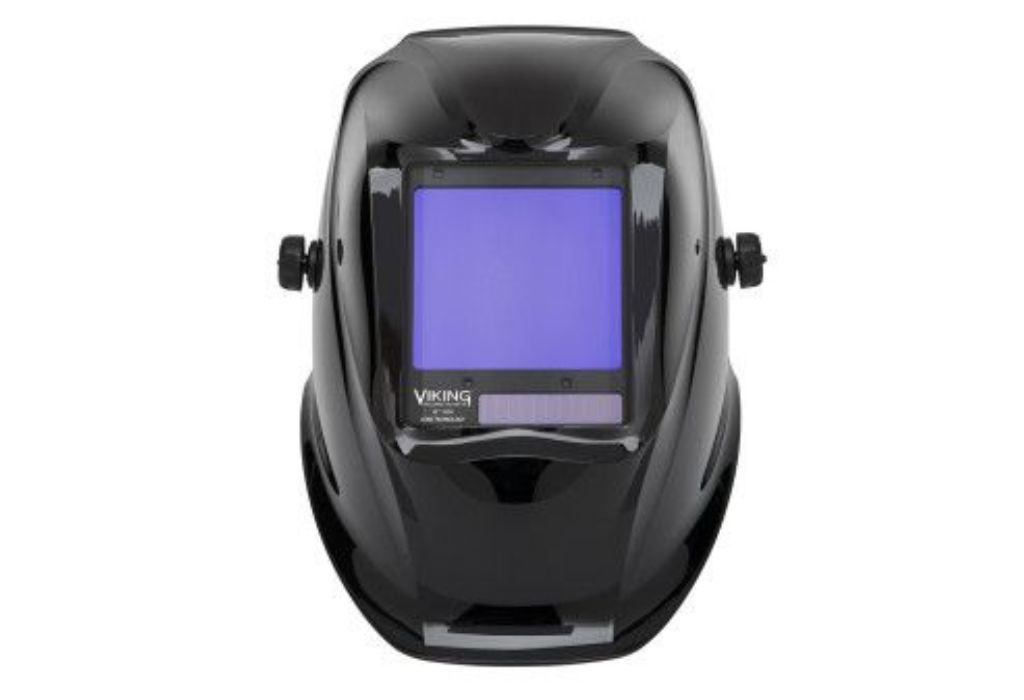
At the end of the day, welders rely on performance, not labels. A helmet’s clarity, response speed, and reliability are far more crucial than its manufacturing site.
Lincoln Electric invests heavily in R&D, meaning every helmet — no matter where it’s made — undergoes the same rigorous testing.
What defines a good welding helmet?
Fast auto-darkening, broad viewing area, optical clarity, and adjustable shade levels.
Do all Lincoln helmets offer similar protection?
Yes — all must meet the same impact and UV/IR protection standards across markets.
Are premium helmets made in different facilities?
High-end models may come from facilities with specialized equipment but follow identical quality rules.
Can imported helmets pass U.S. certifications?
Absolutely — each must comply with ANSI and CSA standards before sale in North America.
Does manufacturing location affect warranty?
Warranty terms depend on region of purchase, not assembly origin.
Why Origin Matters to Some Welders
For many welders, the “Made in USA” label represents pride and assurance. Others value affordability and global efficiency equally.
Understanding these perspectives helps make balanced purchasing choices.
Why do some prefer U.S.-made gear?
It supports domestic industry and ensures compliance with local labor and safety standards.
What do others value about imported helmets?
Competitive pricing and wide feature availability appeal to new or budget-conscious welders.
Do imported helmets hurt local industries?
Not necessarily — distribution, sales, and support still generate domestic jobs.
Can welders influence manufacturing trends?
Yes — demand for locally made products can encourage companies to expand regional production.
Is there a clear “better” option?
No — the best helmet depends on needs, budget, and confidence in the brand’s safety standards.
Conclusion
So, where are Lincoln welding helmets made? The answer varies by model and market. Some are assembled in China or Mexico, others in the United States or Europe, all under Lincoln Electric’s strict global standards.
What matters most is not the country of origin but the company’s consistent commitment to safety, innovation, and performance. Whether your helmet was assembled in Asia or Ohio, it still carries the same Lincoln Electric legacy — proven protection for professionals who depend on their gear every day.

I’m Darrell Julian, the founder, lead writer, and hands-on welding enthusiast behind ArcWeldingPro.com. With more than 15 years of real-world welding experience, I created this platform to share what I’ve learned in the field, in the shop, and in the heat of the arc.