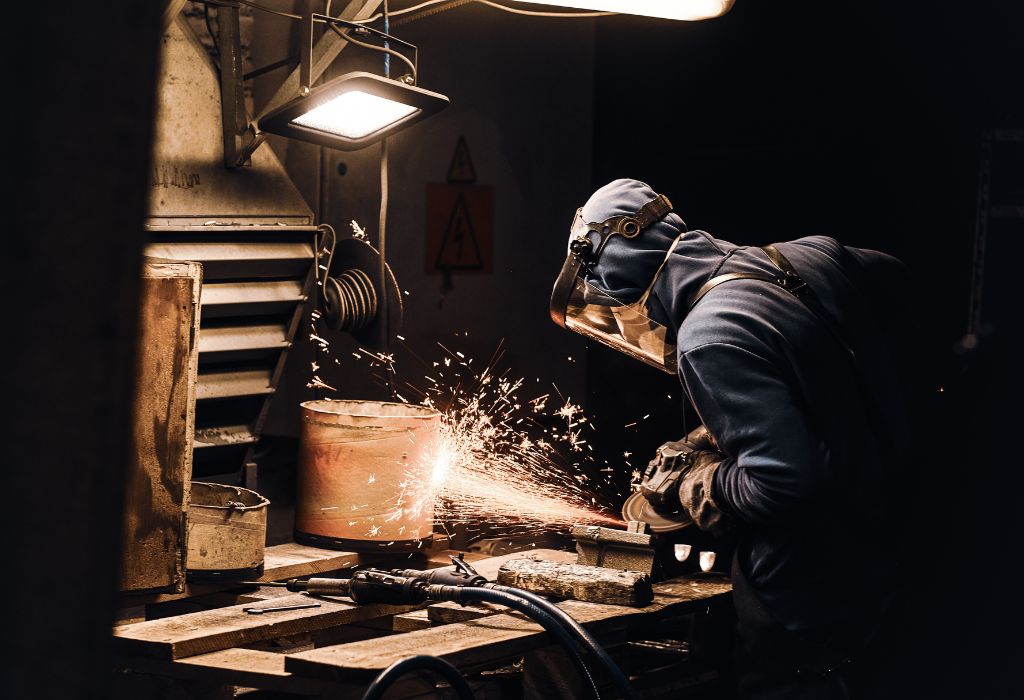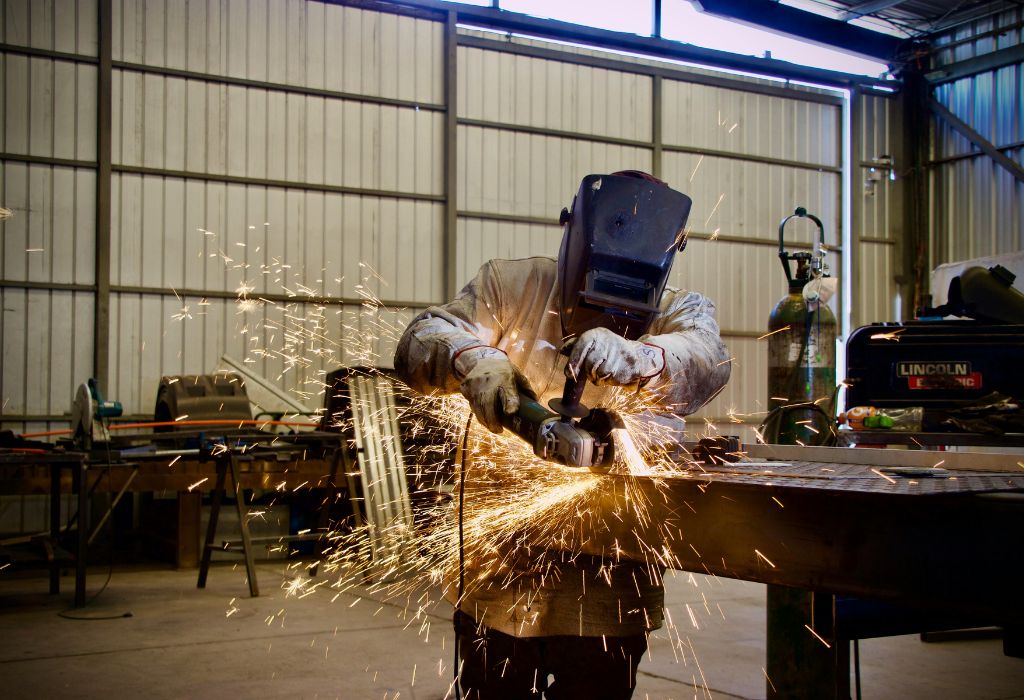
Every welder knows that a welding helmet is one of the most important pieces of personal protective equipment (PPE). It protects your eyes, face, and neck from sparks, UV/IR radiation, and molten metal. But once your shift is over, the question arises: where to hang a welding helmet safely and efficiently?
Improper storage can drastically reduce the lifespan of your helmet. Leaving it on a bench, the floor, or leaning against machinery exposes it to scratches, cracks, and potential damage. Even a small dent or scratch on the lens can impair visibility and compromise safety.
A well-maintained helmet not only protects you during welding but also helps maintain efficiency and quality in your work. A damaged or dirty helmet can lead to eye strain, poor welds, and even accidents on the job.
Proper storage is about more than just safety—it’s about organization. An organized workspace allows quick access to your helmet, prevents accidental damage, and ensures that your PPE lasts as long as possible.
In this guide, we will cover the best places to hang a welding helmet, common mistakes to avoid, and maintenance tips to maximize its longevity. By the end, you’ll know exactly how to keep your helmet safe, clean, and ready for every welding task.
Why Proper Storage Matters
A welding helmet is an investment in your safety and productivity. Mishandling or careless storage can lead to scratches on the lens, broken headgear, or malfunctioning auto-darkening filters.
Dust and debris can accumulate on the lens if helmets are left exposed. Tiny particles can scratch or damage the coating, reducing visibility and safety during welding.
Moisture and humidity can also harm electronic components in auto-darkening helmets. Leaving your helmet near wet surfaces or in damp areas can shorten its lifespan and affect performance.
Heat and UV exposure from leaving helmets near windows, machinery, or welding sparks can degrade the helmet shell. Over time, this weakens the structure and makes it less effective at protecting your face.
Improper storage increases the risk of contamination and damage, particularly in busy or shared workshops. Helmets that are stacked or left on crowded surfaces are prone to impacts and accidental falls.
By taking the time to store your helmet properly, you preserve its protective function, maintain clear vision for welding, and reduce the risk of costly repairs or replacements.
Best Places to Hang a Welding Helmet
Wall Hooks or Pegs
Wall hooks or pegs are a simple and effective way to store helmets. Installing a hook at eye level keeps your helmet off the floor, away from hazards, and within easy reach.
Make sure the hook is sturdy enough to support the weight of the helmet. Thin or weak hooks may bend or cause the helmet to fall, potentially damaging it.
Hooks with a padded or rounded surface are ideal to prevent scratches on the helmet shell. This is particularly important for helmets with auto-darkening lenses.
Dedicated Helmet Racks
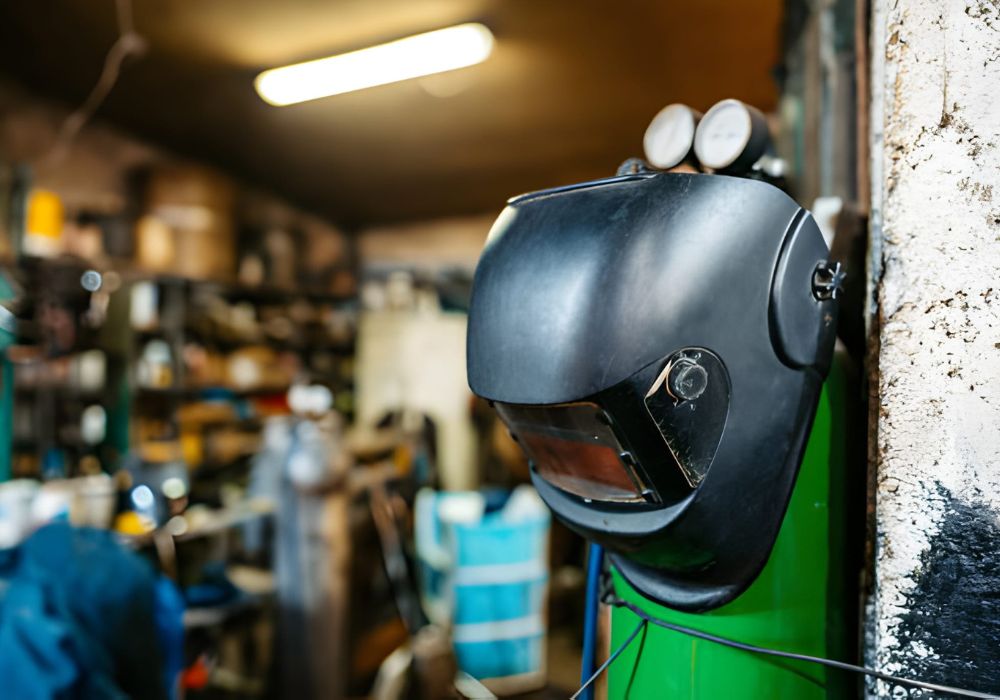
Specialized helmet racks can hold multiple helmets and allow airflow. This prevents moisture buildup and keeps helmets organized, especially in workshops with multiple welders.
Racks with slots or compartments ensure that helmets do not touch each other, preventing scratches and accidental damage. Some racks are wall-mounted, while others are freestanding, depending on your workspace layout.
Magnetic Holders
Magnetic holders or clamps can be used if your workspace has steel walls. These holders secure the helmet in place and prevent accidental falls.
It’s important to use magnets that are strong enough to hold the helmet’s weight. Weak magnets may fail and cause the helmet to drop, potentially damaging the lens or headgear.
Lockers or Cabinets
Lockers or enclosed cabinets provide maximum protection from dust, moisture, and accidental impacts. They are ideal for auto-darkening helmets and other sensitive equipment.
Each welder can have a dedicated locker, which also prevents sharing issues and keeps helmets clean and hygienic.
Helmet Bags
For welders who frequently move between worksites, a soft-lined helmet bag is highly effective. It protects the helmet from scratches, dust, and minor bumps during transport.
A helmet bag also helps keep accessories such as spare lenses, batteries, and cleaning cloths organized. This ensures everything is ready when you need it on the job.
Common Mistakes to Avoid
Leaving your helmet on the floor is a frequent mistake. Foot traffic, dropped tools, and dust can severely damage it.
Stacking helmets on top of one another can scratch lenses and crush headgear adjustments. Always provide a dedicated spot for each helmet.
Hanging a helmet near heat sources, welding sparks, or flammable materials is dangerous. Even idle exposure can warp the shell or degrade lens coatings.
Using thin or sharp hooks may deform the helmet shell over time. Always choose hooks, pegs, or holders specifically designed for helmet storage.
Neglecting to clean the helmet before storage allows dust and welding residue to scratch the lens. Wiping the helmet after each shift protects both lens and shell.
Ignoring proper storage reduces helmet lifespan and increases the risk of injury during welding. Treating your helmet with care is essential for safety and efficiency.
Tips for Maintaining Welding Helmets
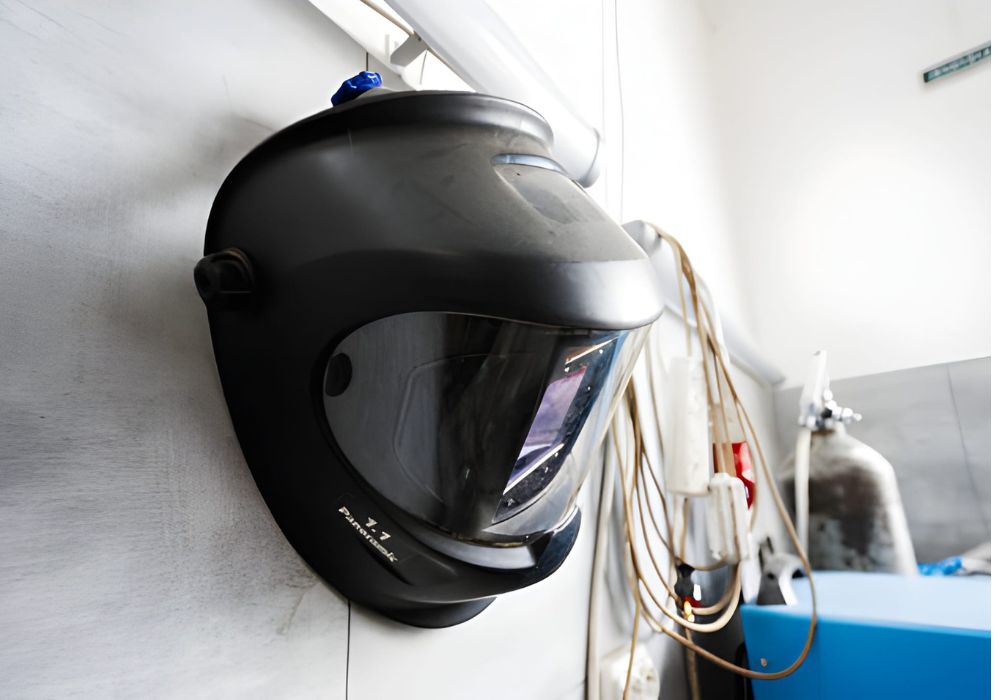
Regularly inspect the helmet for scratches, cracks, or damaged lenses. Any compromise to the protective shell can be dangerous during welding.
Clean the lens and helmet shell with a soft cloth and mild cleaner. Avoid harsh chemicals that can degrade coatings or plastics.
Check headgear adjustments to ensure comfort and stability. A loose helmet may slip during welding, exposing your face to sparks.
Store helmets in a cool, dry area to prevent condensation and moisture damage. Moisture can ruin auto-darkening electronics over time.
Label helmets if multiple workers share a workspace. This ensures that each helmet remains clean and personal, reducing contamination risk.
Remove batteries from auto-darkening helmets if storing for long periods. This prevents corrosion and extends battery life.
Regularly replace worn or damaged parts to maintain full protective capabilities. Helmets with damaged components can be just as unsafe as helmets left on the floor.
Frequently Asked Questions
Can I hang a welding helmet on a nail?
Yes, but it’s better to use a hook or peg specifically designed for helmets to prevent deformation or shell damage.
Is it safe to store helmets on shelves?
Yes, if the shelf is stable, elevated, and away from sparks or heavy tools.
Should auto-darkening helmets be stored differently?
Yes. Store them in a dry, cool place and avoid direct sunlight or moisture, which can damage electronic components.
Can I stack helmets in storage?
No, stacking can scratch lenses and damage headgear. Each helmet should have its own space.
How high should a helmet be hung?
At a convenient height, typically around eye level, so it is easy to grab without bending or stretching.
Can hanging near welding areas cause damage?
Yes, exposure to sparks, heat, or chemicals can degrade the helmet. Keep it away from active welding zones.
Do I need a special helmet rack?
A dedicated rack is ideal for workshops with multiple welders, but wall hooks or magnetic holders can also work if properly installed.
How often should I clean a helmet before hanging?
Always wipe it down after each shift to remove dust, debris, or welding residue.
Is locker storage better than wall hooks?
Lockers provide better protection from dust and impacts, especially for auto-darkening helmets.
Should I remove batteries from auto-darkening helmets during storage?
Yes, if storing for extended periods to prevent corrosion and extend battery life.
Conclusion
Proper storage of a welding helmet is essential for safety, durability, and efficiency. Hanging or storing the helmet correctly prevents scratches, cracks, and malfunctions while keeping it ready for use.
Use hooks, racks, lockers, or helmet bags to keep it elevated, stable, and away from heat or sparks. Avoid floors, benches, and areas where tools or debris can fall on it.
Regular cleaning, inspection, and proper storage ensure your helmet remains functional and safe. By understanding where to hang your welding helmet and maintaining it properly, you can maximize protection, extend its lifespan, and weld with confidence on every project.

I’m Darrell Julian, the founder, lead writer, and hands-on welding enthusiast behind ArcWeldingPro.com. With more than 15 years of real-world welding experience, I created this platform to share what I’ve learned in the field, in the shop, and in the heat of the arc.