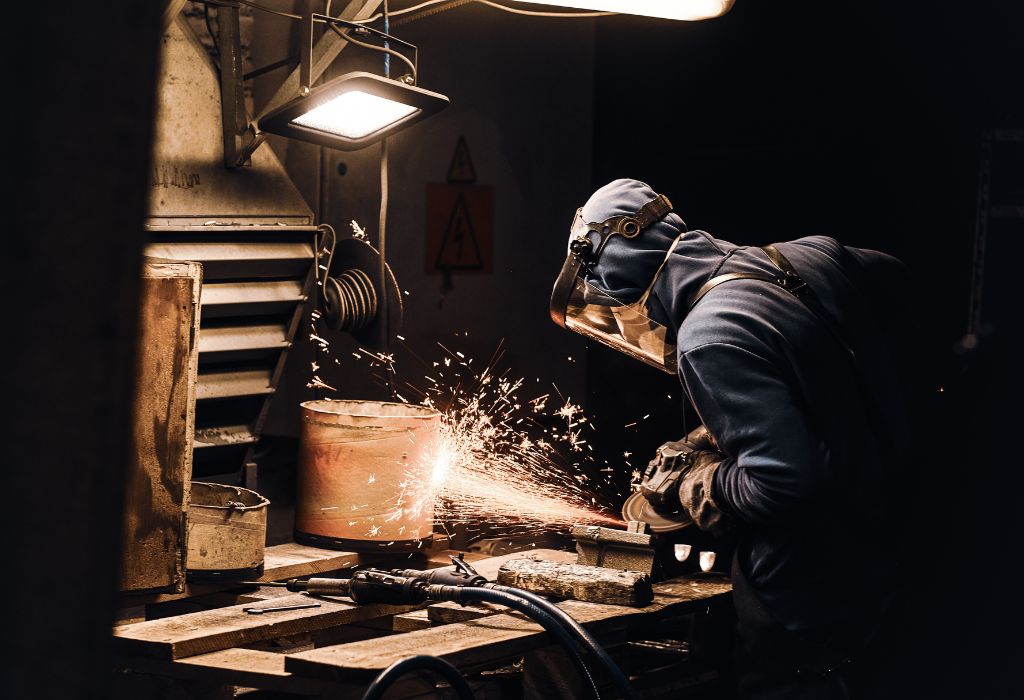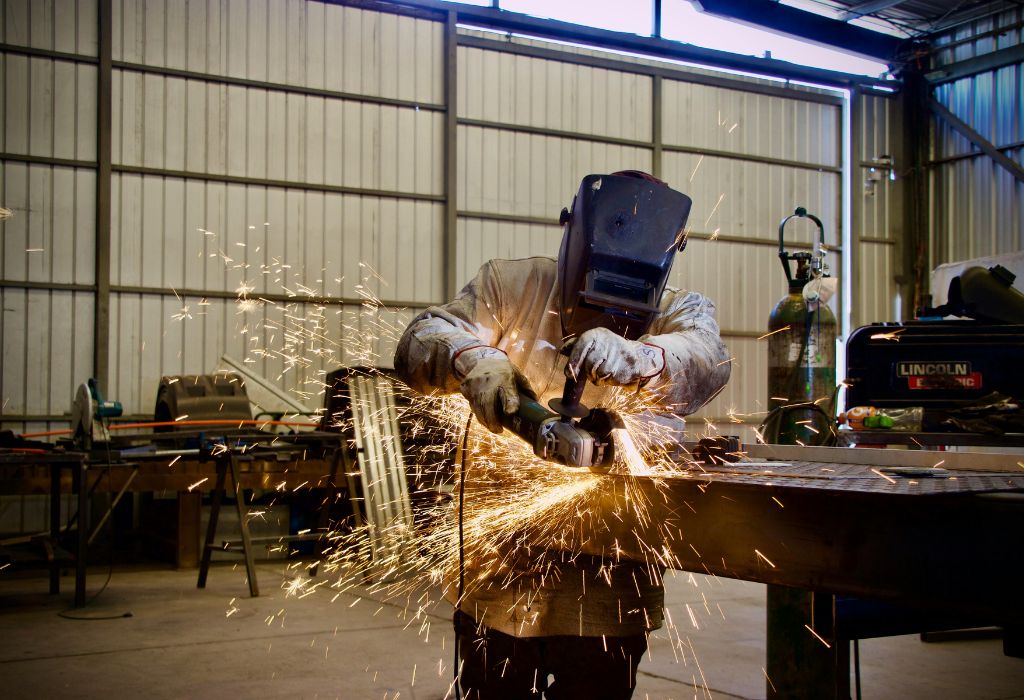
You’re deep into a welding project, the metal glows orange, and sparks fly in every direction. The heat radiates so strongly that even standing nearby feels like opening an oven door.
Now imagine holding that torch for hours with gloves that fail to block the heat — your hands would burn, blister, and ache long before the job is done. That’s why choosing the right welding gloves isn’t just about comfort, it’s about survival.
The best welding gloves protect your hands from extreme heat, molten splatter, and radiant energy while allowing enough flexibility to control your tools.
But with hundreds of options available, how do you know which ones offer the best heat protection? Let’s break it down by materials, design, and real-world performance.
Why Heat Protection Matters in Welding
Welding exposes hands to some of the highest temperatures in any trade. During arc welding, temperatures can exceed 6,000°F (3,300°C), radiating intense heat that can easily burn skin even without direct contact.
Good gloves act as a barrier against sparks, molten metal, and radiant heat. Without them, even a brief exposure could cause second-degree burns or long-term scarring.
Heat protection also keeps your grip stable. When gloves get too hot, hands start sweating, and tools slip — a small mistake that could ruin a weld or cause an accident.
Choosing the right gloves ensures both safety and productivity. The right pair lets you focus on your bead and technique instead of worrying about burning your fingers.
That’s why welders never treat gloves as optional; they’re essential safety gear, just like helmets and jackets.
Materials That Offer Maximum Heat Resistance
The secret to top heat protection lies in the materials used. High-quality welding gloves are typically made from leather, aramid fibers, and aluminized fabrics.
Cowhide is the most common choice for heavy-duty welding because it resists heat and abrasion. It’s thick and durable but can feel stiff at first.
Goatskin and deerskin offer more flexibility for TIG welding but slightly less heat resistance. They’re ideal when precision is more important than insulation.
For the highest heat protection, gloves may feature aluminized backs that reflect radiant heat or Kevlar stitching that won’t melt under sparks.
Some gloves include insulating linings made from cotton, fleece, or wool to trap air and block heat transfer. The combination of thick outer leather and insulated lining delivers maximum protection during long welding sessions.
Always look for EN 407 or ASTM F1060 heat ratings — these indicate the temperature levels your gloves can withstand.
Best Welding Gloves for Extreme Heat

Let’s look at some glove types known for top-tier heat protection.
The Tillman 850 High-Heat Gloves are built for stick welding and foundry work, made of heavy cowhide with an aluminized back that reflects radiant heat. These can handle contact temperatures over 500°C (932°F).
Lincoln Electric Heat-Resistant Gloves combine premium split cowhide with Kevlar stitching and cotton lining, providing a balance of comfort and endurance.
The Black Stallion GX2030 gloves use flame-resistant leather and thick wool insulation to protect hands from both sparks and heat. They’re ideal for long, hot weld runs.
For heavy industrial use, Tillman 875 and Miller Heavy-Duty MIG Gloves are also excellent choices. They feature extra-long cuffs to shield wrists and lower arms.
Each of these gloves earns high marks among professionals for comfort, protection, and long lifespan.
Understanding Heat Ratings and Certification
Not all welding gloves offer the same level of heat protection, and that’s where heat ratings come in.
The EN 407 standard measures six factors — burning behavior, contact heat, convective heat, radiant heat, small splashes of molten metal, and large splashes. A glove rated Level 4 in contact heat can resist about 500°C (932°F).
In the US, ASTM F1060 sets similar standards, testing for contact temperatures and time before the glove’s inner surface reaches 60°C (140°F).
When shopping, look for these certifications printed on the glove label or packaging. Generic gloves without any rating may look tough but fail in real use.
Certified gloves ensure that you’re getting proven protection, tested in labs and used by professionals worldwide.
Design Features That Enhance Heat Protection
Beyond materials, glove design plays a big role in safety.
Long cuffs protect forearms from sparks and radiant heat. Many gloves extend 14–16 inches for full coverage.
Double-layer palms and reinforced fingertips help absorb heat and prevent burn-through when gripping hot metal.
Kevlar or aramid stitching won’t melt, unlike standard nylon threads that can fail under high temperatures.
A snug but flexible fit is also important. Gloves that are too loose trap heat and reduce dexterity, while tight gloves may restrict blood flow and increase fatigue.
Finally, interior padding and moisture-wicking linings keep hands cool and dry during prolonged welding tasks.
How to Choose the Right Gloves for Your Welding Type
Every welding method produces different levels of heat, so your glove choice should match your process.
For TIG welding, you need thin, flexible gloves made of goatskin or deerskin. These provide better fingertip control while still offering moderate heat protection.
MIG welding requires thicker gloves with more insulation because of the stronger arc and higher heat output. Cowhide gloves are best here.
Stick welding generates intense heat and heavy spatter, demanding maximum protection — thick cowhide or pigskin gloves with full lining and long cuffs work best.
If you work in a foundry or perform heavy fabrication, look for gloves with aluminized or heat-reflective coatings. They’re designed for environments where radiant heat is extreme.
Common Mistakes to Avoid When Buying Welding Gloves
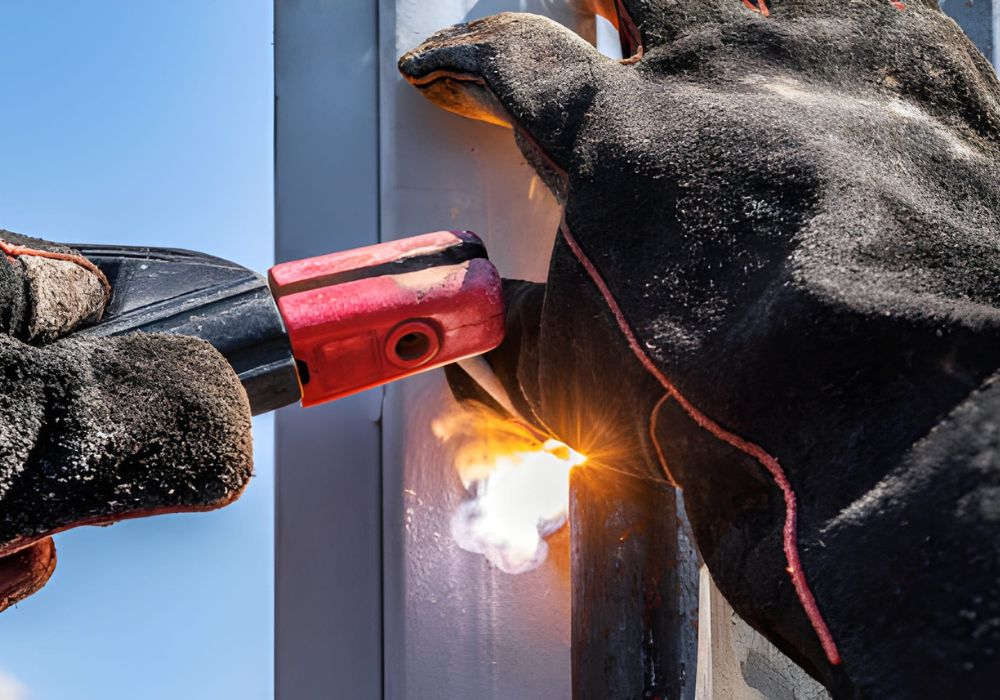
Many welders make the mistake of buying the thickest gloves they can find, thinking more padding means better protection.
However, overly bulky gloves reduce dexterity, making it harder to control your torch and filler rod. Instead, balance heat protection with flexibility.
Avoid gloves without proper certification or brand reputation. Cheap, untested gloves can burn through in seconds.
Don’t reuse gloves that are hardened or cracked — damaged leather loses its insulating ability.
Finally, always match your glove to the type of work you’re doing. A glove perfect for TIG may fail in heavy stick welding.
Frequently Asked Questions
Which welding gloves offer the best heat protection overall?
Tillman 850, Lincoln Electric K2979, and Black Stallion GX2030 are top choices for extreme heat.
How hot can welding gloves resist?
High-quality gloves can withstand contact heat up to 500°C (932°F) for short periods.
Are thick gloves always better for heat protection?
Not necessarily. Thickness helps, but the material and lining determine true heat resistance.
What materials resist heat best in gloves?
Cowhide, pigskin, and aluminized leather with Kevlar stitching provide the best results.
How long do heat-resistant gloves last?
With regular use, quality gloves can last 6–12 months before losing their protective integrity.
Can I use one pair of gloves for all welding types?
It’s better to have two — one lighter pair for TIG and one heavy-duty pair for MIG or stick welding.
Do gloves protect from electric shock?
Leather itself offers some resistance, but gloves are not designed as electrical insulation. Always ground properly.
Conclusion
The best welding gloves for heat protection combine premium leather, proper lining, and certified safety ratings.
Whether you’re welding thin stainless steel or running heavy stick welds, gloves like the Tillman 850 or Lincoln K2979 can make all the difference between safety and serious burns.
Investing in the right gloves isn’t an expense — it’s insurance for your hands. Measure your needs, check ratings, and always prioritize safety over price.
Your hands are your most valuable tools. Protect them well, and they’ll serve you safely for every weld ahead.

I’m Darrell Julian, the founder, lead writer, and hands-on welding enthusiast behind ArcWeldingPro.com. With more than 15 years of real-world welding experience, I created this platform to share what I’ve learned in the field, in the shop, and in the heat of the arc.