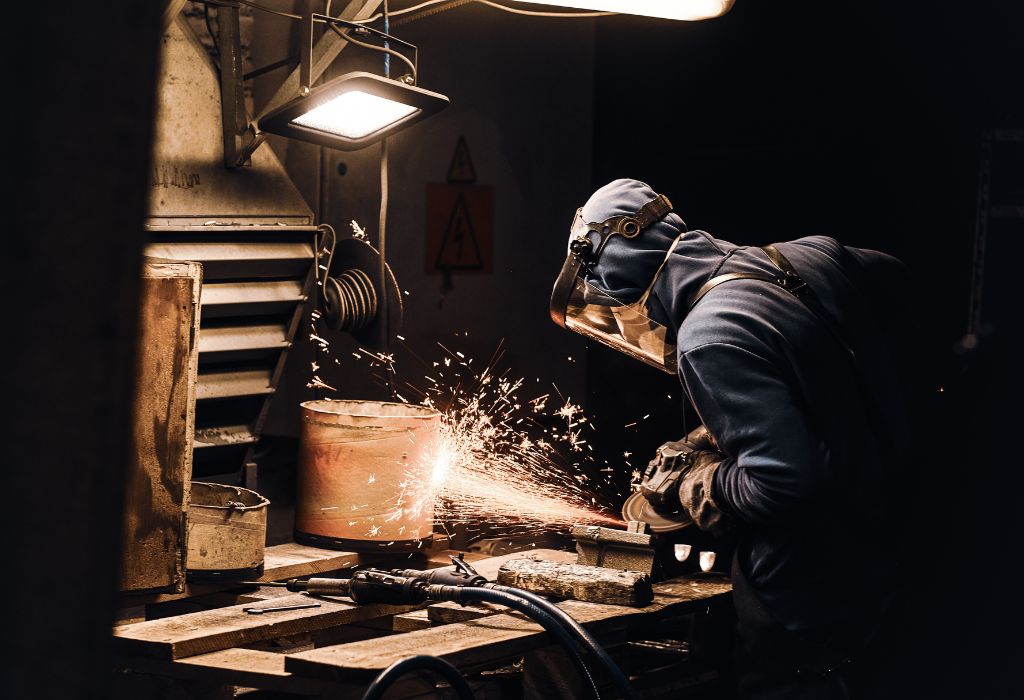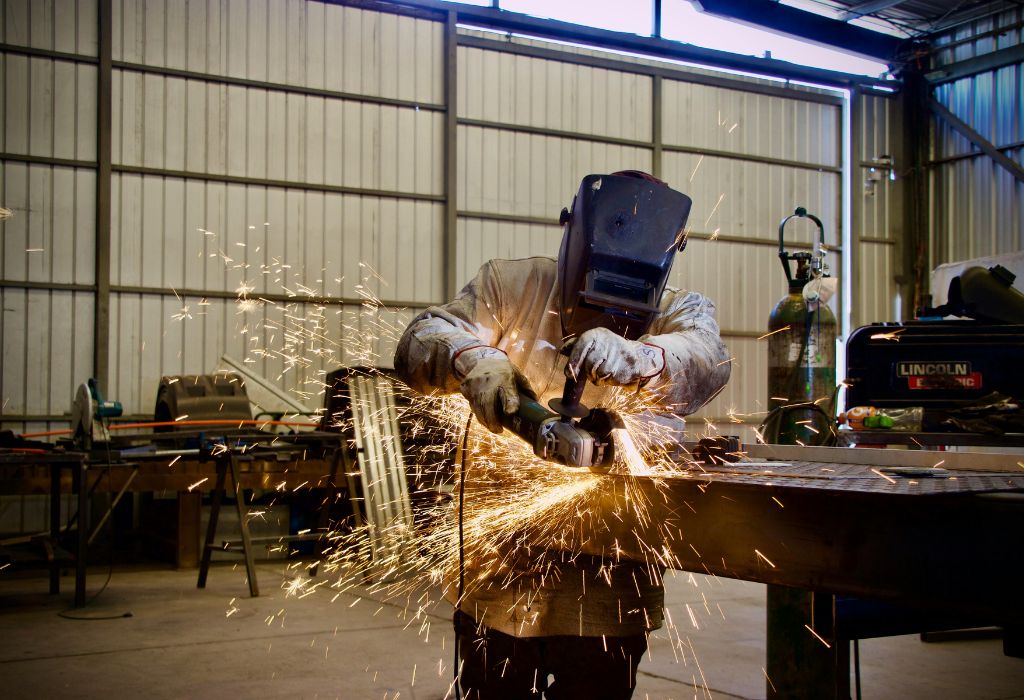
For many welders, the question “Who makes Kobalt welding helmets?” is more than curiosity—it’s about safety, quality, and reliability. When picking a welding helmet, understanding the brand and its origins ensures that you get a product that will protect your eyes, face, and neck during every weld. Kobalt is a household name in home improvement tools, yet the exact manufacturer of its welding helmets is not widely publicized.
Imagine preparing for a critical welding project, only to realize your helmet has inconsistent auto-darkening speed or a poor-quality lens. The consequences can range from minor discomfort to serious eye injury. According to welding safety statistics, over 30% of reported welding injuries involve eye or face damage, often caused by improper protective equipment.
This guide dives deep into the world of Kobalt welding helmets. You’ll learn about the brand’s history, the technology behind the helmets, common models, safety standards, who actually manufactures them, maintenance tips, troubleshooting, alternatives, and buyer considerations. By the end, you’ll have a clear understanding of whether a Kobalt helmet fits your needs and how to make the most of it safely.
Brand Background: Kobalt Tools and Its Welding Line
History of Kobalt
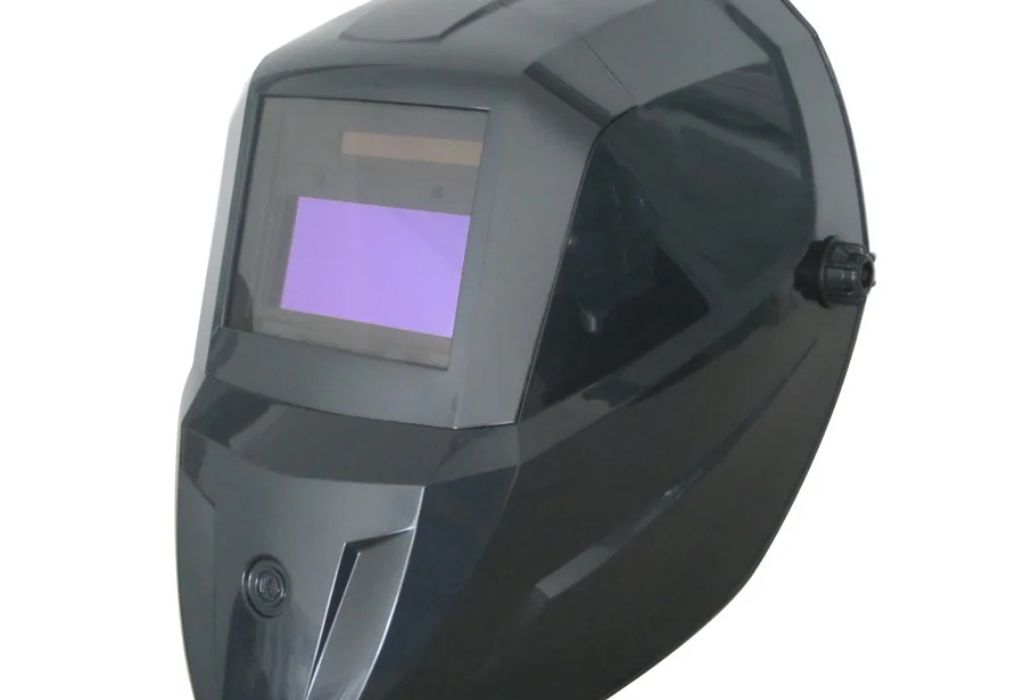
Kobalt is a house brand of Lowe’s, a U.S.-based home improvement retailer. Established in 1998, Kobalt began as Lowe’s answer to competitive tool brands, aiming to offer quality tools at an affordable price. Over time, it expanded from hand tools into power tools, tool storage solutions, and personal protective equipment such as welding helmets.
While the Kobalt name is recognizable, the brand acts mainly as a label, and production is outsourced to contract manufacturers. Lowe’s sets the specifications, standards, and quality checks, but does not publicly disclose the factories that assemble Kobalt welding helmets. This is a common practice for house brands worldwide.
Kobalt in the Welding Equipment Market
Kobalt welding helmets are designed for hobbyists, DIY enthusiasts, and light industrial users. The helmets typically feature:
- Auto-darkening filters
- ANSI Z87.1 compliance
- Lightweight and adjustable headgear
- Fixed or variable shade options
Despite being a house brand, Kobalt has carved out a niche in the entry-to-mid-range market, offering reliable performance at a lower price compared to premium brands like Miller, Lincoln Electric, or 3M Speedglas.
Who Actually Manufactures Kobalt Welding Helmets?
Brand vs Manufacturer
The short answer is: the exact manufacturer is not publicly disclosed. Kobalt helmets are branded and sold under Lowe’s Kobalt line, but the production is contracted to factories that specialize in welding protective equipment. These factories may also produce helmets for other brands under private-label agreements.
While Lowe’s oversees quality control, parts specifications, and safety compliance, customers do not receive detailed information on the factory or supplier. This is standard practice for many house-brand tools and PPE items.
Why This Matters to Buyers
- Safety: Knowing the manufacturer could give insight into build quality, lens durability, and filter speed.
- Parts Replacement: Some users may struggle to find replacement lenses, sensors, or headgear if the original factory does not provide spare parts.
- Warranty: Warranty service is handled by Lowe’s. If a product is imported or resold outside the U.S., warranty support may vary.
Technology Behind Kobalt Welding Helmets
Auto-Darkening Filter (ADF)
Most Kobalt helmets feature an ADF, which automatically adjusts the lens shade when the arc is struck. Key parameters include:
- Switching speed: How quickly the lens darkens, often 1/20,000th of a second in Kobalt models.
- Shade range: Some helmets have fixed shade (#10), others variable (5-13) for different welding types.
- Sensors: Multiple sensors detect the arc from various angles to prevent under-darkening.
Helmet Shell and Headgear
- Lightweight polycarbonate or thermoplastic shell to reduce fatigue.
- Adjustable headgear for comfort and secure fit.
- Some models offer additional cushioning or sweatbands for long-term comfort.
Extra Features
- Grind mode in certain models for non-welding tasks.
- Solar-powered ADF options to reduce battery dependency.
- Large viewing area for better visibility and precision.
Popular Kobalt Welding Helmet Models
1. Kobalt Auto Darkening Variable Shade Helmet
- Features: Shade 5-13, grind mode, large viewing window
- Pros: Versatile for TIG, MIG, Stick welding, value pricing
- Cons: Some reports of inconsistent shade adjustment
2. Kobalt Auto Darkening Gray Welding Helmet
- Features: Shade 10 fixed, ANSI certified, lightweight shell
- Pros: Affordable, basic protection for hobbyists
- Cons: Less flexibility for different welding processes
3. Kobalt Matte Black Welding Helmet
- Features: Fixed shade, extra-large viewing area
- Pros: Comfortable for long sessions, sturdy headgear
- Cons: Limited auto-darkening features
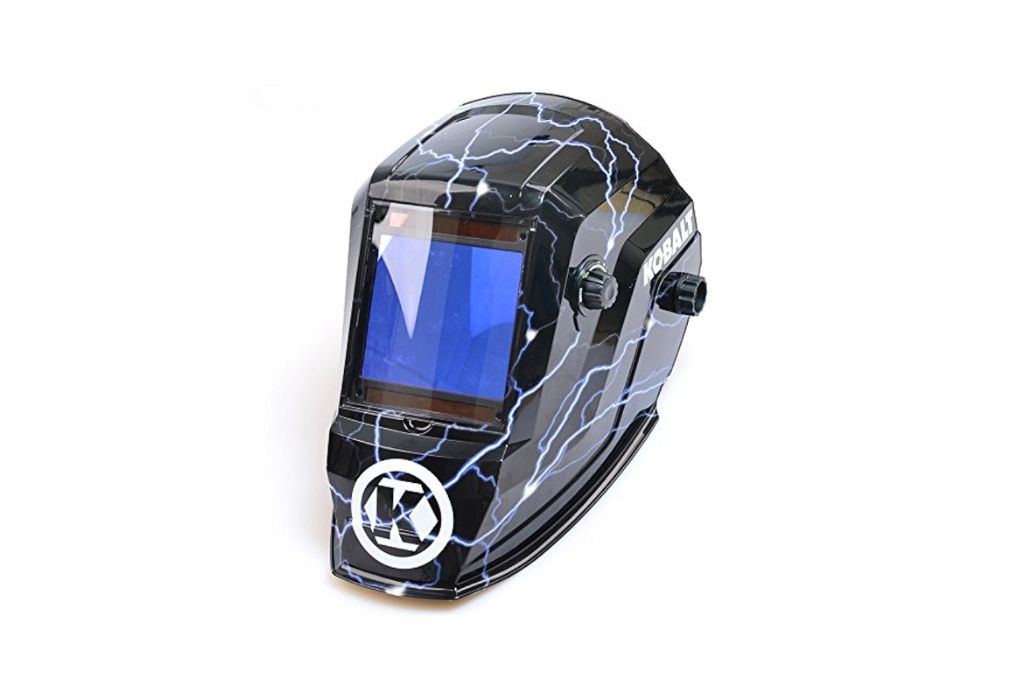
4. Kobalt Auto Darkening Blue Welding Helmet
- Features: Solar-powered, auto-darkening lens
- Pros: Energy-efficient, aesthetic design
- Cons: Limited shade variability
5. Kobalt Large View Variable Shade Helmet (0771595)
- Features: Large viewing window, variable shade, grind mode
- Pros: Excellent visibility, professional feel
- Cons: Slightly heavier, parts may be harder to source
Safety Standards and Compliance
- ANSI Z87.1: Standard for impact resistance and optical clarity.
- CE/CSA standards in certain imported models.
- Welding helmets should always meet minimum regulatory standards to protect eyes and face.
Maintenance and Care Tips
- Inspect lenses before each use for cracks or scratches.
- Clean outer and inner lenses with lens-safe wipes.
- Replace batteries or solar components as needed.
- Adjust headgear for proper fit to prevent fatigue.
- Store in a cool, dry location away from sunlight to prevent lens damage.
Troubleshooting Common Kobalt Helmet Issues
Auto-Darkening Problems
- Lens not darkening quickly: check sensors and battery.
- Uneven shading: ensure helmet is level and sensors are not blocked.
Comfort Issues
- Loose or uncomfortable headgear: adjust straps or replace padding.
- Excessive weight: consider lightweight models or remove non-essential accessories.
Electrical Issues
- Solar-powered models not charging: ensure exposure to adequate light.
- Battery models not functioning: replace or test batteries.
Alternatives to Kobalt Welding Helmets
For users seeking more professional features, consider:
- Miller Electric – premium auto-darkening with multiple sensors, very fast switching.
- Lincoln Electric – reliable variable shade, grind modes, and comfortable headgear.
- 3M Speedglas – high-end, large viewing area, superior optics, suited for professionals.
- Hobart – affordable, auto-darkening, and ANSI compliant.
These brands often disclose manufacturer info, offer global warranty support, and have accessible replacement parts.
Buying Guide for International Markets
- Check local availability and import rules.
- Verify warranty coverage outside the U.S.
- Confirm parts availability (lenses, headgear, filters).
- Compare shipping and import costs.
- Consider professional-grade alternatives if using the helmet frequently.
FAQs
Q: Who actually manufactures Kobalt welding helmets?
A: Kobalt helmets are produced by contract factories; Lowe’s does not publicly disclose the specific manufacturer.
Q: Are Kobalt helmets ANSI certified?
A: Yes, most models comply with ANSI Z87.1.
Q: Can I replace lenses and headgear?
A: Yes, parts are available via resale markets or some importers, though availability may vary.
Q: Is Kobalt suitable for professional welding?
A: Suitable for hobbyists and moderate use; professionals may prefer premium brands.
Q: How do I maintain my Kobalt helmet?
A: Inspect lenses, clean regularly, replace batteries/solar, adjust headgear, and store properly.
Q: Are Kobalt helmets reliable long-term?
A: With proper care and for moderate use, Kobalt helmets are reliable. Heavy industrial use may reduce lifespan.
Conclusion
Kobalt welding helmets are a practical choice for hobbyists and light-to-moderate welders. While Lowe’s owns the brand, the exact manufacturer is not disclosed, making parts sourcing and warranty considerations important, especially for international buyers. Kobalt helmets are affordable, ANSI compliant, and feature auto-darkening lenses and adjustable headgear, but professionals may prefer brands with more transparent manufacturing and premium features.
By understanding the brand, technology, safety compliance, maintenance, and alternatives, buyers can make informed decisions to protect themselves and enjoy reliable performance while welding.

I’m Darrell Julian, the founder, lead writer, and hands-on welding enthusiast behind ArcWeldingPro.com. With more than 15 years of real-world welding experience, I created this platform to share what I’ve learned in the field, in the shop, and in the heat of the arc.