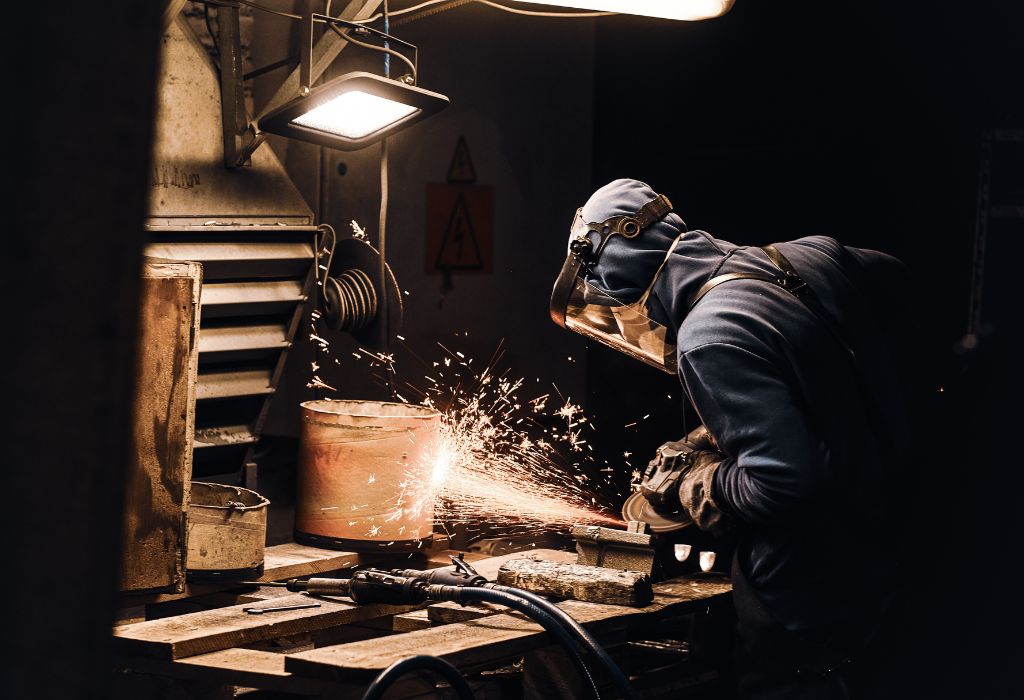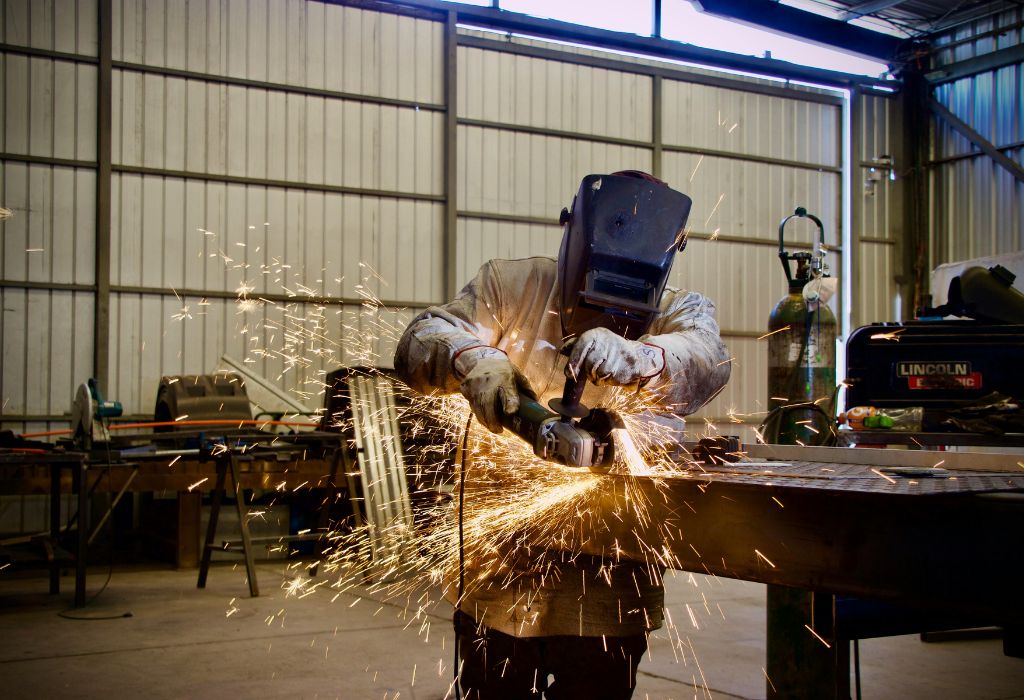
Imagine gripping your welding torch and feeling the heat pulse through the metal. Sparks fly, molten droplets splash, and your hands stay steady — protected by a pair of gloves that feel like a second skin.
That’s the difference good gloves make. The right pair shields your hands from burns, improves grip, and lets you move with precision. But not all welding gloves are made equal. Some wear out fast, some are too stiff, and others simply fail under heat.
If you’ve ever wondered who makes the best welding gloves, this guide will walk you through the top brands, materials, and buying factors trusted by professional welders around the world.
Why Choosing the Right Brand Matters
Welding is one of the harshest trades on hands — heat, sparks, slag, and sharp metal edges are constant threats. That’s why brand reputation isn’t just marketing; it’s about proven protection.
Top brands spend years refining glove design — from the stitching thread to the leather treatment — ensuring welders get comfort, durability, and control. A trusted manufacturer means fewer burns, longer glove life, and safer shifts.
What to Look for in Welding Gloves
Before deciding on a brand, it helps to know what makes a glove truly reliable.
Look for heat resistance, since temperatures can reach over 3,000°F near the arc. Dexterity is equally important, especially for TIG work where precision finger movement is key.
Good gloves also feature Kevlar stitching, long cuffs, and split leather construction for added durability. The ideal glove depends on your welding process, whether that’s MIG, TIG, or Stick.
Best Welding Glove Brands in 2025
Now let’s look at the leading manufacturers that consistently produce high-quality welding gloves trusted by professionals.
Tillman – The All-Round Performer
Tillman is a legendary name in welding gear, known for combining durability with comfort. Their gloves are designed to fit naturally, making them ideal for both professionals and hobbyists.
The Tillman 850 and Tillman 24C are popular picks for MIG and Stick welding. They feature heavy-duty cowhide with reinforced palms and Kevlar stitching for long-term reliability.
Tillman gloves are flexible yet sturdy — perfect if you want one brand that covers all welding styles.
Miller Electric – The Premium Choice
Miller doesn’t just make welders; they make gloves engineered for their machines. Their designs focus on ergonomic fit and flexibility without sacrificing heat resistance.
The Miller Classic MIG and Miller Arc Armor lines offer exceptional insulation and comfort. Welders love them for consistent grip and reduced hand fatigue during long jobs.
If you want a glove that blends protection and mobility, Miller is one of the most dependable choices.
Black Stallion (Revco) – Built for Heavy Work
When it comes to rugged durability, Black Stallion stands out. These gloves are made for Stick welding, fabrication, and high-heat applications.
Models like the Revco BSX 850 and GX1010 are thick, flame-resistant, and come with padded palms for extra comfort. They last longer under harsh shop conditions and are favored by welders who need maximum protection.
If you’re working outdoors or doing heavy-duty welding, Black Stallion is a brand you can trust.
Weldas – Professional-Grade Innovation
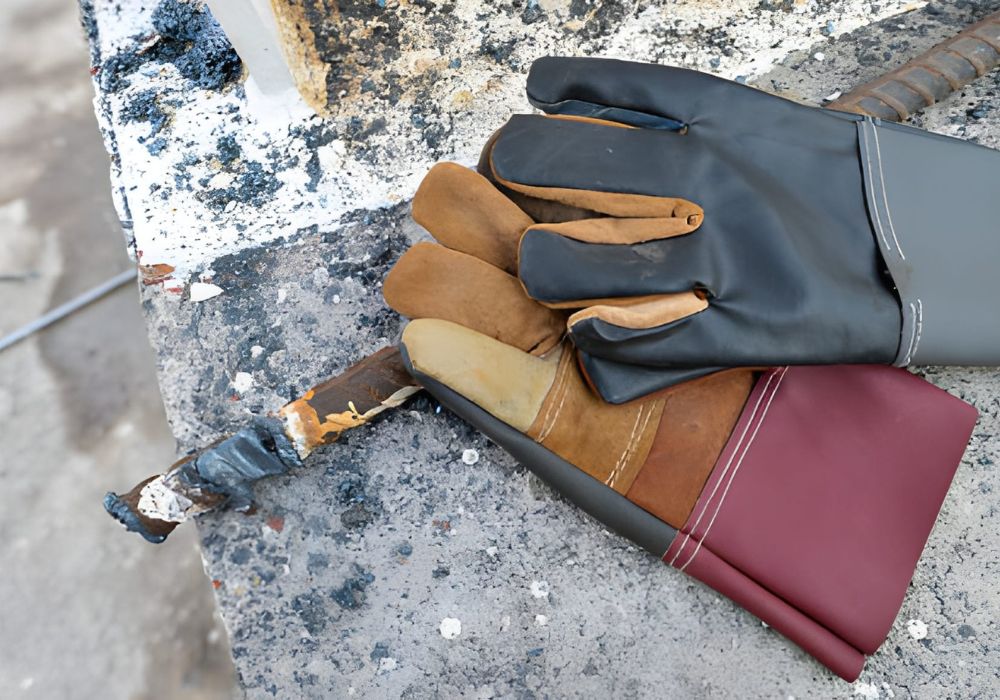
Weldas is known for its commitment to comfort and innovation. Their gloves often feature moisture-absorbing liners, heat shields, and premium leathers sourced for flexibility.
The Weldas 10-2000 and 10-2755 models are widely used in professional shops. Welders praise their snug fit, long cuffs, and tough seams that resist splitting under stress.
If you’re looking for premium craftsmanship that lasts, Weldas deserves a place at the top of your list.
Lincoln Electric – Trusted by Generations
Few names carry more weight in welding than Lincoln Electric. Their gloves are engineered with the same precision as their machines — reliable, comfortable, and built to perform.
The Lincoln Traditional MIG/Stick Gloves are made from split cowhide with a soft cotton liner. They deliver superior heat protection without feeling bulky.
Lincoln gloves are widely available, reasonably priced, and known for lasting through hundreds of hours of use.
Caiman – Comfort with Style
Caiman focuses on ergonomics and hand shape design. Their gloves contour naturally to your fingers and wrist, reducing fatigue during repetitive welding tasks.
Their Caiman 1878 and Caiman Deerskin TIG Gloves are favorites among welders who value both comfort and dexterity. These gloves look sharp, fit snugly, and perform exceptionally in tight, detailed welds.
For welders who prioritize flexibility and feel, Caiman offers a perfect balance between protection and precision.
Matching the Glove to the Welding Process
Each welding type requires a different glove design to balance heat protection and movement.
- TIG Welding: Use thin, flexible gloves made from goatskin or deerskin. Brands like Tillman and Caiman are ideal.
- MIG Welding: Medium-thickness cowhide gloves like those from Lincoln or Miller work well.
- Stick Welding: Choose heavy cowhide or elk-skin gloves from Black Stallion or Weldas for high heat and spatter protection.
Selecting the wrong type can make welding uncomfortable or unsafe, so always match your glove to your process.
How to Maintain Welding Gloves

Even the best gloves need care to last. After every use, shake out slag and dust. Avoid soaking gloves in water — leather stiffens when wet.
Use a dry cloth to wipe residue and store gloves in a cool, ventilated space. Never leave them near a hot welder or in direct sunlight, as heat can damage stitching and leather fibers.
Inspect for thin spots, holes, or loose seams regularly. Replacing gloves before they fail ensures your hands remain protected.
Frequently Asked Questions
Which brand makes the best gloves for TIG welding?
Tillman and Caiman are excellent choices for TIG because they offer thin, flexible leathers that allow precise control.
What gloves are best for Stick welding?
Black Stallion and Weldas provide the best heavy-duty protection against high heat and spatter.
Are expensive gloves worth it?
Yes. Premium gloves last longer, fit better, and often resist heat more effectively than cheap alternatives.
Can I use the same gloves for MIG and TIG?
It’s not ideal. TIG requires thin gloves for precision, while MIG needs thicker material for heat protection.
How often should welding gloves be replaced?
Replace them once the leather thins, stitching frays, or the gloves lose flexibility — typically after 3–6 months of regular use.
Conclusion
The best welding gloves aren’t just about brand prestige — they’re about reliability, comfort, and protection.
If you prioritize flexibility and precision, go with Tillman or Caiman. For rugged durability and long-lasting heat resistance, Black Stallion, Lincoln Electric, and Weldas are top performers. And if you want all-around professional quality, Miller remains a solid choice.
No matter your welding type, investing in the right gloves keeps your hands safe and your craft sharp — because great welds start with confident, protected hands.

I’m Darrell Julian, the founder, lead writer, and hands-on welding enthusiast behind ArcWeldingPro.com. With more than 15 years of real-world welding experience, I created this platform to share what I’ve learned in the field, in the shop, and in the heat of the arc.