Shoppers often ask who makes Vulcan welding helmets and why that answer matters. The logo tells a story about brand ownership, but safety and support depend on the actual manufacturer.
Vulcan is a brand sold by Vulcan through Harbor Freight Tools, a national retailer with more than 1,600 stores. House brands like Vulcan are sourced directly from manufacturers and offered at retail through Harbor Freight’s network.
The manufacturing identities behind house brands are rarely published, since multiple OEM factories can build different runs to a retailer’s specification. Harbor Freight itself states that it buys from the same factories as competitors, cutting out intermediaries to keep prices low.
Safety should remain central because welding is a high-risk task for eyes and skin. About 2,000 U.S. workers each day sustain job-related eye injuries requiring medical treatment, which underscores the need for proven protection and clear documentation.
This guide answers who makes Vulcan welding helmets, then shows how to evaluate the gear based on verified features rather than speculation. You will see how to confirm optical ratings, lens technology, and sensor count on official product pages.
By the end, you will know who owns the Vulcan brand and how these helmets stack up on clarity, comfort, and value. You will also have a checklist to choose the right model for MIG, TIG, and stick without overspending.
Who Owns the Vulcan Brand?
The Vulcan brand belongs to Harbor Freight and falls under its in-house brand portfolio. Product listings show Vulcan models exclusively on the Harbor Freight website and in its stores.
Because it’s a house brand, the manufacturer (OEM) is not publicly listed — the brand retains control over specifications and warranty. The listing name may include “VULCAN™ ARCSAFE™ Auto-Darkening Welding Helmet” and features like “REALVIEW™ lens technology.”
Who owns the Vulcan brand?
Harbor Freight owns and sells the Vulcan brand as part of its house-brand portfolio.
Where are Vulcan helmets sold?
They are available online at HarborFreight.com and in over 1,600 Harbor Freight stores across the U.S.
Does the brand publish manuals and specs?
Yes, each product listing shows detailed specs, certifications, and downloadable manuals.
What category does Vulcan target?
Value-focused gear with pro-leaning features aimed at serious DIY and light professional use.
So Who Actually Makes Vulcan Welding Helmets?
Harbor Freight does not publicly list the OEM factories that produce its house-brand products. The company explains that it sources from the same global factories used by other brands and sells directly to customers. (harborfreight.com)
Discussion boards and forums often speculate about specific manufacturers, but none have been verified by the brand or by official documentation. One thread noted: “Pretty sure it’s a house brand … the only other Vulcan company I could find was in the UK.” (garagejournal.com)
Are Vulcan helmets made by one company worldwide?
Not necessarily, since retailers can contract multiple OEMs for different models or manufacturing runs.
Where are they built?
Exact factory locations are not publicly disclosed, which is typical for many house-brand manufacturers.
How can buyers verify quality without the OEM name?
Use official specs, standards markings, and in-store inspection to judge clarity, comfort, and build.
Does unlisted OEM mean lower quality?
No. Quality depends on the specification, manufacturing oversight, and brand quality control rather than just the name.
What Features Define Vulcan Helmets?
Vulcan ARCSAFE models advertise “REALVIEW™ Lens Technology” designed to improve natural color and puddle visibility. For example, the 10.1 sq. in. model has optical clarity rating 1/1/1/2, four arc sensors, and weighs about 1.3 lb. (harborfreight.com)
Premium models raise the field of view to 13.5 sq. in., improve clarity to 1/1/1/1, and feature upgraded headgear (MAXX™), grind mode, and variable shade controls from #4 to #13. (harborfreight.com)
These features align with industry standards for welding helmets used in MIG, TIG and stick applications, giving good value at the given price tier.
What does 1/1/1/2 mean?
It is an EN 379 optical rating describing clarity, diffusion, luminous transmittance, and angle consistency — lower numbers signify better performance.
How many sensors do Vulcan helmets use?
Most ARCSAFE models come with four arc sensors for reliable arc detection in various welding positions. (harborfreight.com)
Is REALVIEW™ a standard or a trade name?
It is a trade name used by the brand to describe the enhanced clarity of the auto-darkening lens.
Why does viewing area matter?
Larger viewing windows give better visibility of the weld pool and reduce neck strain during prolonged work such as TIG. (harborfreight.com)
What does “grind mode” do?
It allows the helmet to function as a grinding shield without flipping to dark shade, protecting the preset welding shade settings. (harborfreight.com)
Safety, Standards, and Why Proven Specs Matter
Eye injuries remain common in metalworking, and verified standards and clear optics are critical for protection. According to U.S. data, thousands of workers suffer eye injuries each year in industrial jobs, making compliance essential. (facebook.com)
Welding involves exposure to UV and IR radiation, molten spatter, and bright arcs. A helmet that meets ANSI Z87.1, CSA Z94.3, and EN 379 standards gives documented protection. Vulcan listings show compliance with ANSI Z87.1 and other certifications. (harborfreight.com)
What standards should a helmet meet?
Look for ANSI Z87.1-2010 or later, and EN 379 markings in the manual or on the shell.
What shade range works for most welding?
Typical ADF shade ranges like #9–#13 cover MIG and stick welding; #5–#8 covers cutting.
How fast should switching be?
Modern helmets should switch from clear to dark in microseconds to protect from arc flash.
Do batteries matter?
Yes. Many modern auto-darkening helmets use replaceable batteries and/or solar assist to ensure reliability.
How often should lenses be cleaned or replaced?
After each use, inspect the outer and inner lens covers; replace if scratched or pitted to maintain clarity and safety.
How Vulcan Compares with Big-Name Brands
Independent discussions position Vulcan helmets as good value within their price tier, offering many features typical of more expensive brands. For example, one buyer stated:
“I have the Vulcan 10.1 and it’s very good for the price. It’s a 1/1/1/2 helmet which is good for all-around welding in a decent position.” (reddit.com)
The value proposition is strong for hobbyists and light commercial users, but long-term pros might seek wider aftermarket support, service network and spare parts from premium brands.
Is Vulcan good for professional work?
It can be for light-to-moderate professional use if specs meet your job demands and you maintain it well.
What if a user prefers a different brand?
Match your project and environment needs (TIG vs MIG, overhead vs flat), then compare clarity, comfort, and support.
Are parts and returns straightforward?
Harbor Freight offers extensive store network and return policy, which adds convenience for many buyers.
Does price indicate quality here?
Price is one indicator, but verified specs and in-hand feel matter more than brand alone.
Should buyers test fit in store?
Yes. Headgear, balance, and comfort vary, and physical try-on helps determine suitability.
Buying Guide Checklist for Vulcan Helmets
Use this checklist to make sure your purchase of a Vulcan helmet is a good match:
- Confirm optical clarity rating (1/1/1/2 or better) and viewing area size.
- Ensure the model has 4 arc sensors and adequate viewing window for your work.
- Check that grind mode and shade range (#4-#13) are included if you also cut or grind.
- Inspect headgear comfort, weight (look for ~1.3 lb or less) and balance for long sessions.
- Review warranty, return policy, and store availability of replacement parts or accessories.
Which model for frequent TIG welders?
Choose higher clarity (1/1/1/1) and larger viewing area to see the puddle clearly.
Is a 10.1 sq. in. window enough?
Yes for most hobbyists and shop work; premium 13.5 sq. in. windows provide better view for overhead or complex setups.
Do all models have grind mode?
Not always; confirm grind mode is present if you plan to switch between welding and grinding.
Can lens covers be replaced easily?
Yes; many models list replacement lens kit compatibility and separate parts. (harborfreight.com)
Any reason to pick another brand?
If you require job-specific certifications, heavy-industry use, or more service support, consider premium alternatives.
Where to Buy and How to Confirm You Are Getting the Latest Model
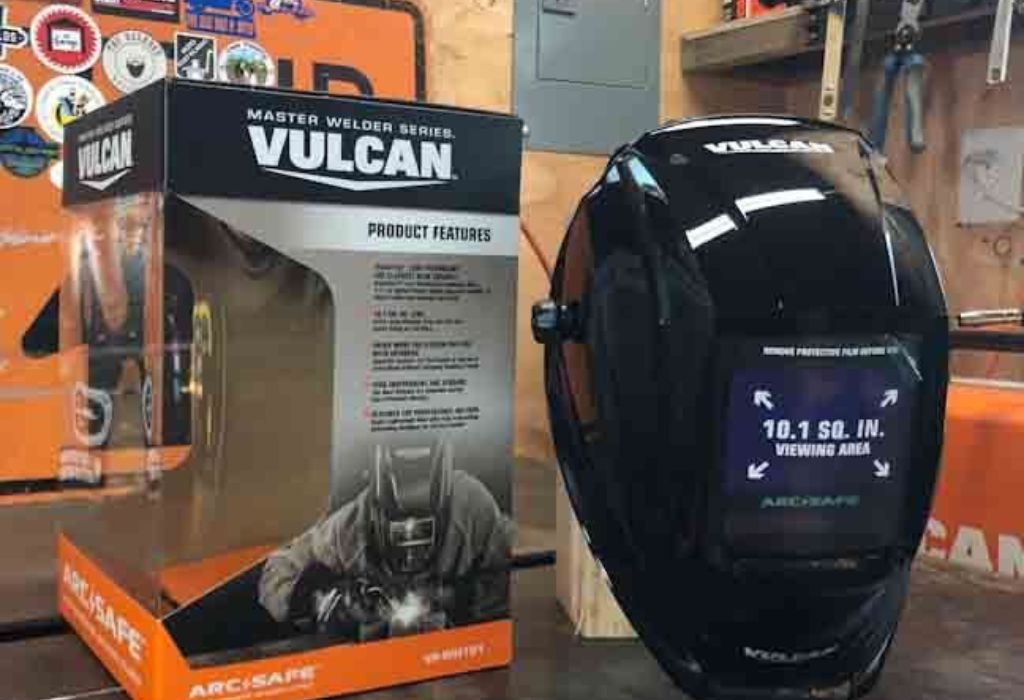
Buy directly from Harbor Freight’s website or physical store to ensure authenticity and warranty eligibility. Product pages list model numbers (e.g., SKU 63749 or 58201) and spec details. (harborfreight.com)
Check for date codes or revision labels on packaging to ensure you have the current version. Keep the receipt and register the product if asked. Test the helmet fit and clarity in-store before finalizing your purchase.
Can you try the helmet in store?
Yes, most Harbor Freight stores allow users to try on helmets to assess comfort and fit.
Are coupons or memberships available?
Harbor Freight frequently offers member deals and coupons, often significantly reducing cost.
How do you check feature updates?
Compare current product pages with archived listings and check for improvements like headgear upgrades or increased clarity ratings.
What about returns?
Harbor Freight’s return policy is straightforward for gear with proof of purchase and original condition.
Where can you find manuals?
Product pages often link to downloadable PDFs of owner’s manual, specs, and parts list. (harborfreight.com)
Conclusion
The clear answer to who makes Vulcan welding helmets is that they are Harbor Freight’s in-house brand, produced by OEM factories that are not publicly named. What matters most is the verified specifications, optical clarity, and compliance each model offers.
Judge your purchase by clarity rating, viewing area, sensor count, comfort, and protective standards — not just by brand name. With the right research and inspection, Vulcan helmets can deliver solid protection and value for hobbyists and light pros alike.

I’m Darrell Julian, the founder, lead writer, and hands-on welding enthusiast behind ArcWeldingPro.com. With more than 15 years of real-world welding experience, I created this platform to share what I’ve learned in the field, in the shop, and in the heat of the arc.