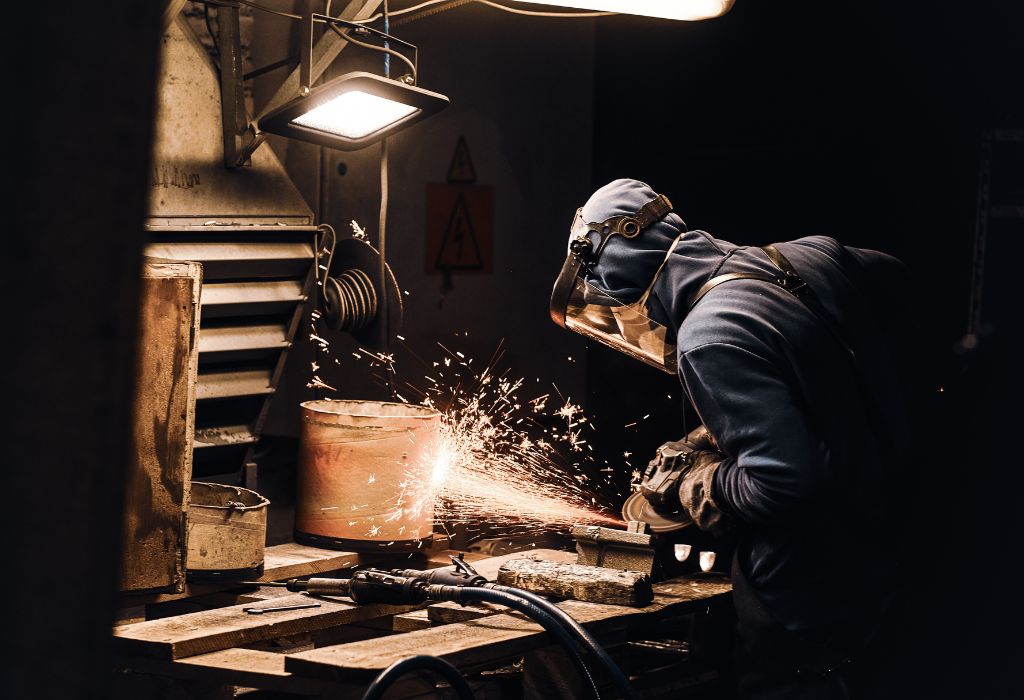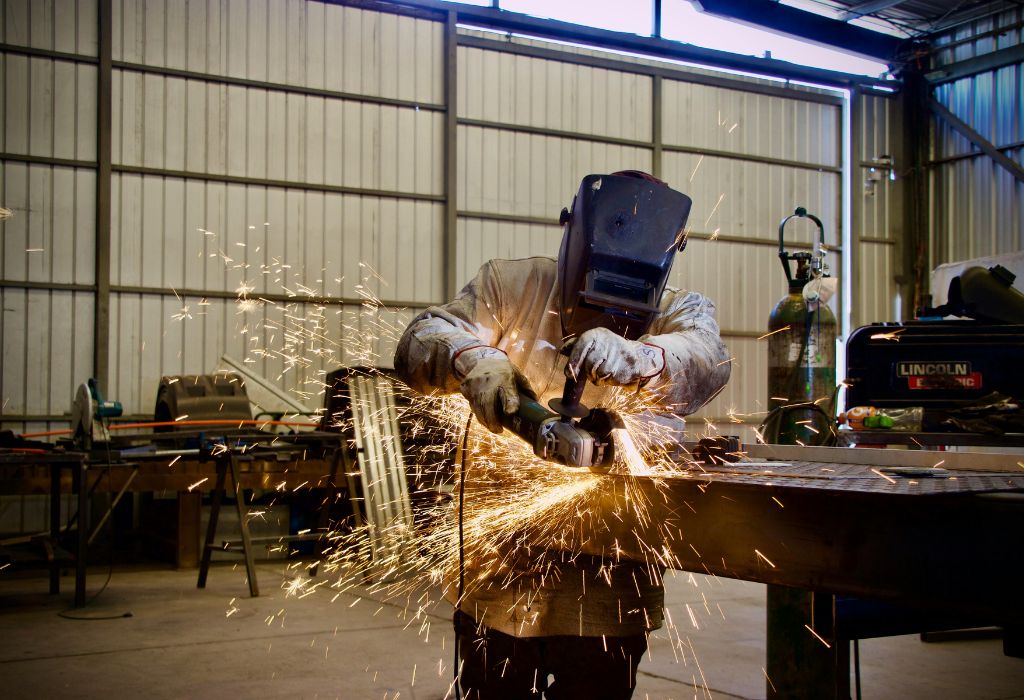
The welding arc springs to life and everything should be smooth. Then the lens of the auto darkening welding helmet begins to flicker and you catch a glimpse of raw arc light—an instant jolt of alarm.
That flicker is more than a minor annoyance—it may signal that your helmet’s sensors or power system are failing just when your eyes need full protection. According to a welding equipment survey, flickering and irregular darkening rank among the top issues welders face in daily operations.
When the question “why is my auto darkening welding helmet flickering” arises, it should never be ignored. In this complete guide, you’ll learn what causes flicker, how to diagnose it, and the exact steps to fix and prevent it—ensuring your eyes stay protected and your welds remain precise.
What Is an Auto Darkening Welding Helmet & How It Works
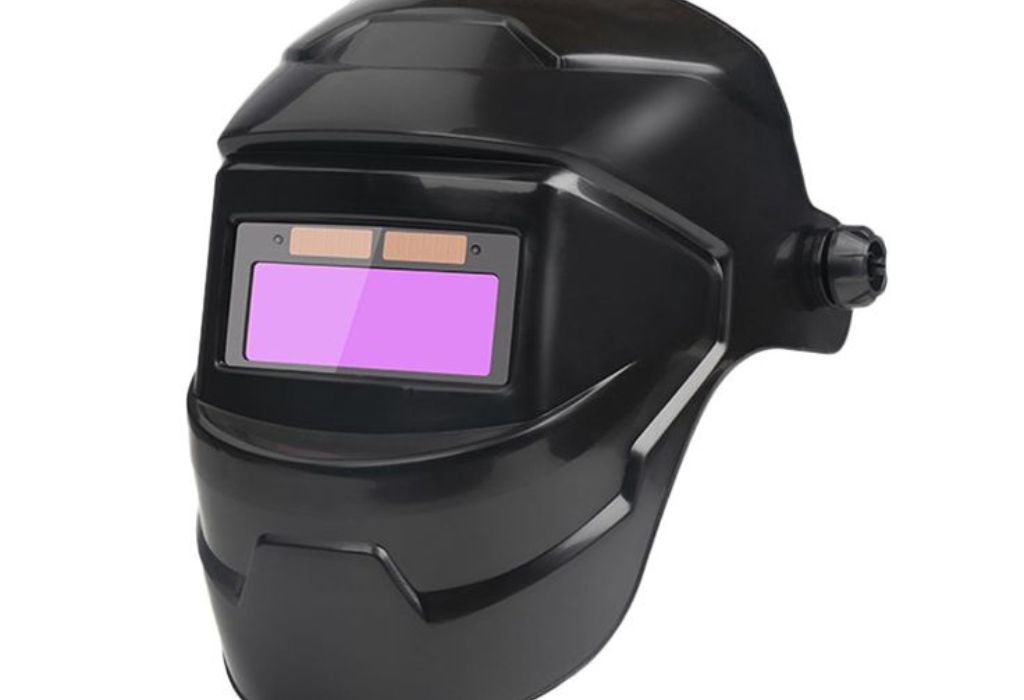
An auto darkening welding helmet uses sensors and an electronic filter to shift from a light state to a dark state in milliseconds when an arc appears. The mechanism depends on sensors, a power supply (battery or solar assist), and precise settings for delay and sensitivity. (euromarc.co.nz)
What is an auto darkening welding helmet?
A helmet that automatically darkens to protect your eyes from intense arc light and harmful UV/IR radiation.
What components are involved in the darkening process?
The sensors detect the arc, the filter changes shade, and the power source drives the system instantly.
Why does sensor placement matter?
Blocked sensors or poor alignment may cause the lens to miss arc detection and flicker.
Does the helmet protect even in the light state?
Yes, most helmets still block UV and IR rays, though flicker can strain the eyes.
What do sensitivity and delay settings control?
Sensitivity adjusts how easily the lens darkens; delay controls how long it stays dark after welding stops.
Common Causes of Helmet Flickering
The main reasons your welding helmet flickers are usually simple—low battery, dirty sensors, poor light detection, or damaged lenses. Environmental light and welding mode can also affect sensor performance.
Could a weak battery cause flickering?
Yes, low battery voltage is a leading cause of unstable darkening or rapid flicker.
Are blocked or dirty sensors a common issue?
Absolutely. Dust, spatter, or gloves covering the sensors can block the arc signal. (euromarc.co.nz)
Can ambient lighting or reflections trigger flicker?
Yes, welding near bright sunlight or reflective surfaces can confuse the helmet’s sensors. (forum.weldingtipsandtricks.com)
Does lens or cover damage affect performance?
Yes, scratches or cracks can distort sensor readings and create inconsistent darkening.
Can the welding mode itself cause flicker?
Yes, low-amp TIG or pulsed DC modes can make some helmets struggle to maintain a dark state. (mig-welding.co.uk)
Diagnosing Flicker: Step-by-Step Checklist
Troubleshooting starts with observation. The goal is to pinpoint whether the flicker comes from a power issue, sensor obstruction, environmental light, or the welding mode itself.
How do I check the power source?
Inspect or replace the batteries, clean solar cells, and confirm consistent lens activation.
What should I inspect regarding sensors?
Clean every sensor lens and ensure nothing obstructs them, including your gloves or the helmet shell.
How do I test for lighting interference?
Try welding in a shaded or indoor area to see if the flicker disappears.
How can I verify the lens module?
Shine a flashlight near the sensors—if the lens darkens and stays steady, the module works correctly.
Should I check the welding machine’s settings?
Yes. Confirm you’re using a helmet compatible with your machine’s output type (AC/DC or pulsed).
Corrective Actions – Fixing Flicker Safely
Once you’ve identified the cause, the fix is usually straightforward. The most common solutions involve cleaning, adjusting, or replacing small components.
What should I do if the battery is weak?
Install new manufacturer-approved batteries and ensure solar cells are clear of dust.
How can I clean or realign sensors?
Use a microfiber cloth to wipe sensors gently, and ensure they face the welding zone directly.
How should I adjust sensitivity and delay?
Increase sensitivity for low-amp work and extend delay to prevent premature clearing between arc pulses.
What if the lens or cover is damaged?
Replace it immediately. Even a small crack or scratch can distort light input and cause flicker.
How do I fix flicker caused by lighting or environment?
Block reflective surfaces, reduce backlighting, or reposition your workspace to avoid glare.
Preventing Future Flicker and Extending Helmet Life
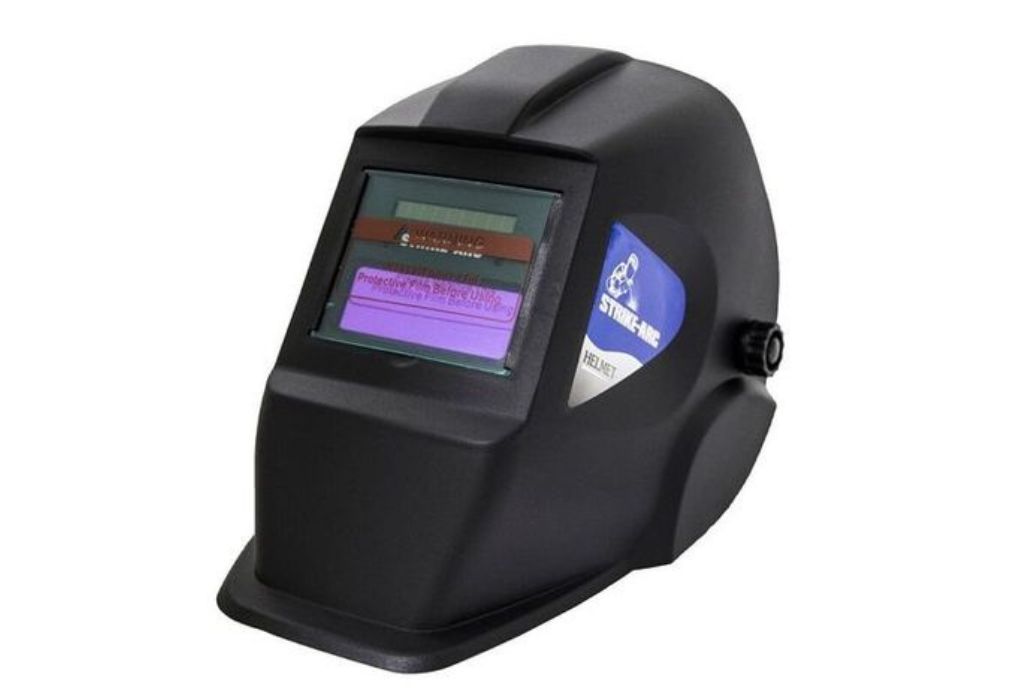
Consistent maintenance is the key to a long-lasting, flicker-free helmet. A few small habits can dramatically extend both safety and performance.
How often should I inspect my helmet?
Before every welding session, inspect batteries, lenses, and sensors for dirt or wear.
How should I store my helmet?
Keep it in a dry, shaded place. Never leave it in direct sunlight or near heat sources.
Should I check for firmware updates on digital helmets?
Yes, modern models sometimes release updates that improve arc detection and flicker prevention.
Can using wrong shade settings cause future flicker?
Yes, incorrect shade or mode selection can overload the lens module and reduce its lifespan.
Is a premium helmet worth the investment?
Definitely. Higher-end helmets have more responsive sensors and stronger ADF circuits designed to prevent flicker in complex weld modes.
Conclusion
The issue of “why is my auto darkening welding helmet flickering” might seem minor, but it’s a red flag that shouldn’t be ignored. Flicker can mean your eyes are exposed to unfiltered arc light, potentially causing long-term damage.
By following this guide—checking power, cleaning sensors, adjusting settings, and maintaining your helmet—you’ll eliminate flicker and ensure consistent darkening every time you strike an arc.
Final Tip: If the flicker persists after all troubleshooting steps, contact the manufacturer or a certified welding technician to test or replace the ADF module. Protecting your vision is worth every effort.

I’m Darrell Julian, the founder, lead writer, and hands-on welding enthusiast behind ArcWeldingPro.com. With more than 15 years of real-world welding experience, I created this platform to share what I’ve learned in the field, in the shop, and in the heat of the arc.