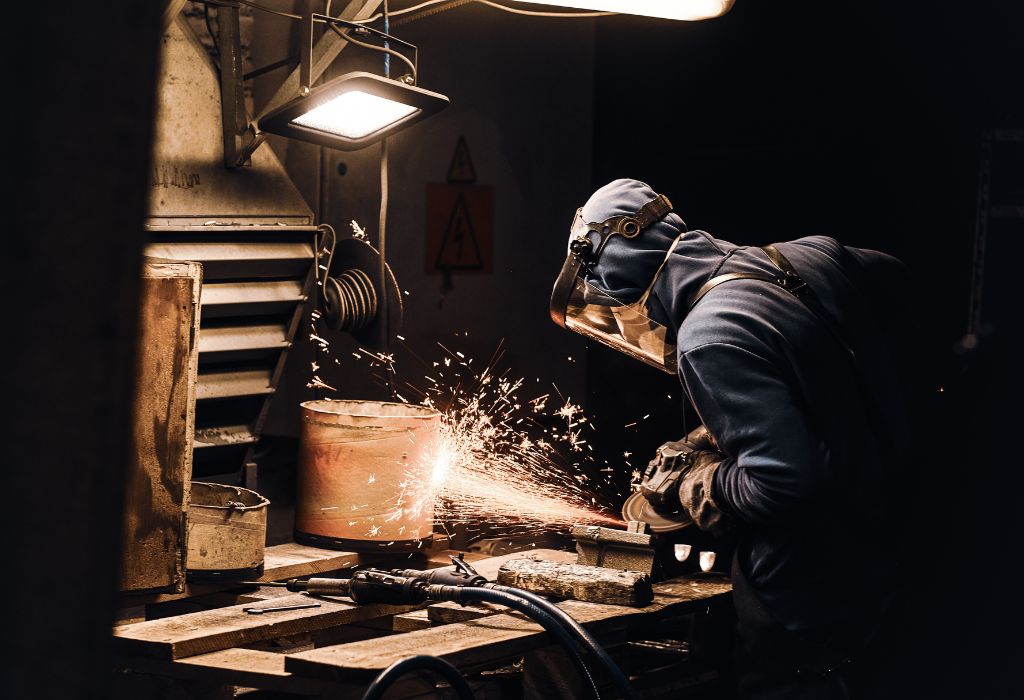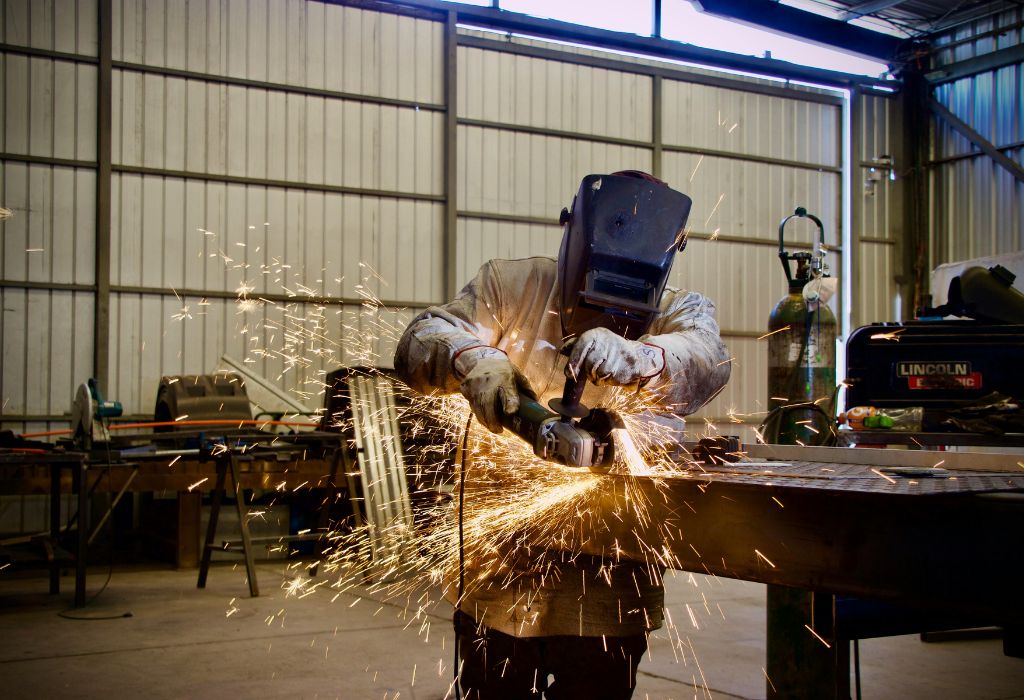
A bright spark flashes across the workshop as the welder strikes the arc. The air fills with heat, light, and flying sparks that can burn skin in an instant.
Now imagine doing that without gloves. Your hands, exposed to molten metal and ultraviolet rays, would suffer burns before you could even react.
This is why professional welders never lift their torch without wearing protective gloves. Welding gloves are not just accessories — they are your first and most important safety defense.
Each pair is designed to handle extreme temperatures, flying metal particles, and electrical risks. They protect your hands from burns, cuts, and shock while giving you control of the weld.
Whether you are doing TIG, MIG, or Stick welding, gloves shield you from hazards that can turn a simple task into an injury.
In this guide, you will learn why wearing gloves is mandatory, how they work, and which types suit different welding styles.
Understanding this simple habit can prevent painful accidents and improve your welding confidence. Let’s dive into why welding gloves are absolutely essential for every welder.
The Hidden Dangers of Welding Without Gloves
Welding is one of the most intense industrial processes on earth. It produces temperatures above 6,000 degrees Fahrenheit, capable of melting metal within seconds.
Without gloves, that same heat can cause third-degree burns almost instantly. Even a brief contact with hot slag or sparks can damage skin permanently.
When molten metal droplets fly, they land unpredictably — often on the welder’s hands or forearms. A protective glove blocks those sparks before they reach the skin.
UV and infrared radiation from the welding arc also burn skin like the sun, only faster. Prolonged exposure without gloves leads to painful redness, blistering, or even long-term tissue damage.
Another major danger is electric shock. Welding currents can flow through metal surfaces into your hands if unprotected. Gloves insulate against that electrical path.
Metal edges are sharp and can easily cut through unprotected hands while positioning workpieces. Gloves offer resistance to cuts, scrapes, and punctures.
Even touching freshly welded joints poses risk. The surface may look cool but can remain hot enough to cause instant burns.
Finally, accidents happen when fatigue sets in. Gloves cushion your grip, reducing fatigue and preventing slips that cause burns.
In short, welding without gloves is gambling with injury. The risks are invisible but always present — protection is not optional.
How Welding Gloves Protect Against Heat and Flame
The most obvious purpose of welding gloves is to block extreme heat. They’re built from layered materials that resist both radiant and contact heat.
Leather, the most common outer material, can handle temperatures over 500°F before degrading. Some gloves use thicker layers for even higher heat resistance.
Inside, multiple lining layers trap air and slow down heat transfer to the skin. This insulation keeps your hands cool even during heavy welding.
The outer surface is flame-retardant, meaning it self-extinguishes when hit by sparks. It won’t melt or drip onto your hands like synthetic fabrics would.
Many gloves use reinforced stitching made from Kevlar thread. Kevlar resists fire and adds strength, ensuring seams don’t split under heat.
Some gloves include aluminum or heat-reflective coatings to bounce radiant heat away. These are ideal for overhead or heavy arc work.
Long cuffs protect the wrist and lower arm from stray sparks and molten spatter. The extra coverage prevents burns when sleeves ride up.
Even brief contact with hot surfaces won’t cause burns if your gloves are rated properly.
Each design balances heat protection with flexibility, so you can move freely while staying safe.
When used correctly, good welding gloves turn dangerous heat into a manageable element of your craft.
Protection from Electric Shock and Current Flow
Electric shock is a silent but deadly welding hazard. Most welding systems use high currents to melt metal, making gloves essential electrical barriers.
Gloves made from dry, thick leather naturally resist electrical conductivity. They stop current from passing through your hands into your body.
Even small shocks can cause muscle contractions that make you drop tools or touch hot metal. Gloves break that circuit instantly.
However, it’s important to remember that wet gloves can conduct electricity. Moisture reduces their insulating ability dramatically.
This is why experienced welders always check for dampness before starting a job. Dry gloves equal safe gloves.
Modern gloves sometimes include added insulating layers for high-voltage work. These are rated according to international safety standards.
Regular inspection is vital — a tiny tear can expose skin and invite shock risk.
Never rely on worn-out gloves for electrical protection. Replace them immediately when stitching frays or holes appear.
By acting as nonconductive shields, welding gloves make every electric arc safe to handle.
Electricity may power your welds, but gloves ensure it never reaches you.
Shielding Against UV and Infrared Radiation

Every time you strike a welding arc, you unleash intense UV and infrared radiation. These invisible rays are powerful enough to burn skin through short exposure.
Welding gloves form a physical shield against both light types. They prevent radiation from reaching your hands during extended welding sessions.
UV radiation can cause “arc burn,” similar to severe sunburn, within minutes. Infrared rays penetrate deeper, heating tissues and causing delayed pain.
Over time, repeated exposure without gloves can lead to premature aging, skin discoloration, or even long-term damage.
The natural thickness and opacity of leather block both UV and IR rays effectively. No chemical coating is needed for this protection.
For high-intensity processes like MIG or flux-core welding, gloves with extra layers provide added defense.
Even TIG welders, who work with low amperage, face UV risks from the arc flash.
Radiation protection is one of those unseen benefits of gloves — you don’t notice it until it’s too late.
Welding without gloves is like working under a sunlamp for hours with bare hands.
Always treat gloves as part of your radiation safety gear, not just heat protection.
Grip, Dexterity, and Control Benefits
Good welding depends on precision. Gloves provide the firm, confident grip needed to guide the torch and handle metal pieces safely.
Sweat, oil, and dust can make bare hands slippery. Leather gloves absorb moisture and provide friction for stable handling.
TIG welding requires precise control, so thinner gloves made of goatskin or deerskin are ideal. They allow finger movement without sacrificing safety.
MIG and Stick welding involve more sparks and spatter. These require thicker gloves with extra padding and insulation.
A comfortable glove also prevents blisters from long tool use. Smooth seams and ergonomic designs reduce pressure points.
Welding gloves often feature reinforced palms and fingertips for better durability. This ensures your grip remains firm during long sessions.
Proper grip control prevents torch slipping, which can cause misaligned welds or burns.
A flexible glove keeps your hands relaxed, reducing fatigue during detailed work.
When gloves fit correctly, they feel like an extension of your hand rather than a barrier.
That combination of comfort and control is what transforms average welders into confident professionals.
Material Types and Their Protective Qualities
Not all welding gloves are made equal. Different materials offer different protection levels depending on your welding type.
Cowhide is the most common — durable, heat-resistant, and affordable. It’s ideal for MIG and Stick welding.
Goatskin provides superior dexterity and softness, perfect for precise TIG welding.
Deerskin offers flexibility with good heat resistance, making it suitable for light fabrication work.
Pigskin resists moisture and remains flexible even when damp — great for outdoor welding.
Elk skin delivers exceptional comfort and can handle high heat without stiffening.
The inner linings also matter. Cotton, wool, or foam liners add comfort and insulation.
Heavy-duty gloves may have extra aluminum or Kevlar layers for extreme conditions.
Choosing the right material ensures both comfort and maximum protection for your specific welding process.
Remember, the goal is balance — enough heat protection without sacrificing mobility.
The better the material match, the longer your gloves last and the safer your hands stay.
How to Choose the Right Welding Gloves
Selecting the right gloves starts with understanding your welding style. TIG, MIG, and Stick each demand different features.
For TIG welding, prioritize dexterity — thin leather with good fingertip sensitivity works best.
MIG welding requires more heat protection, so go for thicker cowhide or deerskin gloves with reinforced palms.
Stick welding involves the highest heat and spatter, so choose heavy-duty insulated gloves with long cuffs.
Always check for Kevlar stitching — it resists heat and lasts longer than cotton thread.
Cuff length should fully cover your wrist and overlap your jacket sleeve. This prevents sparks from sneaking inside.
Check glove ratings for standards like ANSI or EN407 for verified heat and electrical resistance.
A snug fit ensures control but should never restrict movement or blood flow.
If your gloves feel too tight, they may harden when hot and reduce flexibility.
Lastly, always choose trusted brands known for durability and quality. Cheap gloves might save money but cost safety.
Your gloves are personal safety tools — treat them like essential welding equipment, not accessories.
Caring for and Maintaining Welding Gloves
Well-maintained gloves last longer and protect better. Cleaning and storing them properly keeps leather strong and flexible.
Avoid soaking leather gloves in water — it weakens fibers and ruins insulation.
Instead, wipe them gently with a damp cloth to remove dirt and metal dust.
For oily stains, sprinkle talcum powder and brush it off once absorbed.
Let gloves air dry naturally after use. Never use heaters or direct sunlight, as heat stiffens leather.
If gloves become wet, stuff them with paper towels to hold their shape while drying.
Inspect gloves regularly for holes, cracks, or frayed stitching. Even small damage compromises safety.
Apply leather conditioner occasionally to prevent stiffness. This also improves comfort for long-term use.
Store gloves in a cool, dry place away from sharp tools or chemicals.
A little care goes a long way — clean, flexible gloves keep your hands safer and your work smoother.
Common Mistakes Welders Make with Gloves
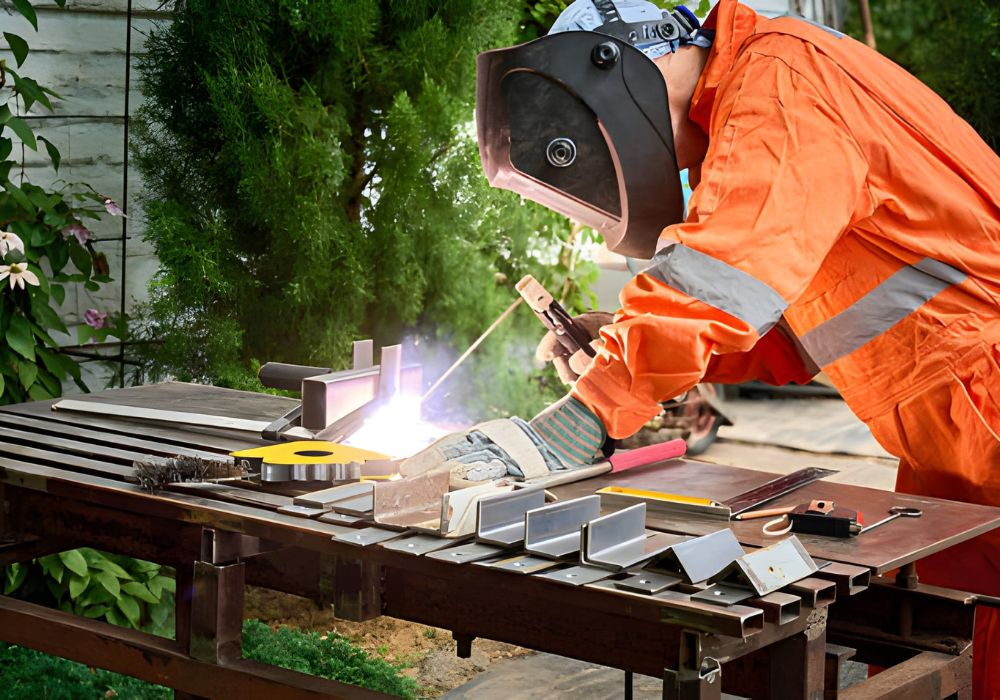
Many welders misuse or neglect their gloves, reducing protection without realizing it. One common mistake is using generic work gloves instead of certified welding ones.
Regular construction gloves can’t handle high heat or sparks and can melt under exposure.
Another error is cutting glove cuffs shorter for convenience. This leaves wrists exposed to spatter and heat.
Using gloves that are too tight restricts movement and causes fatigue during long jobs.
On the other hand, loose gloves can slip and reduce grip, increasing accident risks.
Failing to replace damaged gloves is another dangerous habit. Even small tears expose skin to hot metal or current.
Some welders use synthetic gloves thinking they’re lighter, but synthetics melt quickly under heat.
Wearing damp gloves also invites electric shock — moisture conducts electricity easily.
Neglecting cleaning causes dirt buildup, reducing insulation and comfort.
The biggest mistake is assuming “it’s just a short weld” and skipping gloves altogether. Accidents happen in seconds, not hours.
Frequently Asked Questions
Can I weld without gloves?
No. Welding without gloves exposes your hands to burns, sparks, and electric shock — it’s extremely unsafe.
Are welding gloves fireproof?
They’re fire-resistant, not fireproof. They resist flames and sparks but should still be kept away from prolonged open flame.
Which gloves are best for TIG welding?
Soft goatskin or deerskin gloves offer the flexibility needed for TIG precision.
How long do welding gloves last?
With regular use, a good pair lasts 6–12 months depending on intensity and care.
Can I wash welding gloves?
Avoid machine washing. Gently clean with a damp cloth and air dry to preserve leather quality.
Do welding gloves protect from electric shock?
Yes, when dry and in good condition. Always replace worn or wet gloves immediately.
Are thick gloves better for all welding types?
Not necessarily. Thicker gloves protect from heat but reduce dexterity for detailed work.
Why do my gloves get stiff after use?
Heat and sweat dry out leather. Apply conditioner to keep them soft and flexible.
Can I use rubber gloves for welding?
No. Rubber melts under high temperatures and offers poor resistance to sparks.
Do welding gloves protect from UV radiation?
Yes. Leather naturally blocks harmful UV rays from the welding arc.
Conclusion
Welding gloves are not optional — they are essential tools for every welder’s safety. They protect against heat, sparks, and electric shocks while improving grip and control.
Without them, every weld carries the risk of burns, blisters, or worse. Simple protection makes all the difference in a dangerous trade.
Choosing the right material for your welding style ensures both comfort and performance. A perfect glove feels natural while keeping you secure.
Regular cleaning, inspection, and replacement maintain their protective power.
Welding is an art that demands precision and respect for safety. Gloves make that possible by keeping your hands safe and steady.
So before you strike the next arc, slip on your gloves and secure your grip. Great welds begin with safe hands — and safe hands always wear protection.

I’m Darrell Julian, the founder, lead writer, and hands-on welding enthusiast behind ArcWeldingPro.com. With more than 15 years of real-world welding experience, I created this platform to share what I’ve learned in the field, in the shop, and in the heat of the arc.