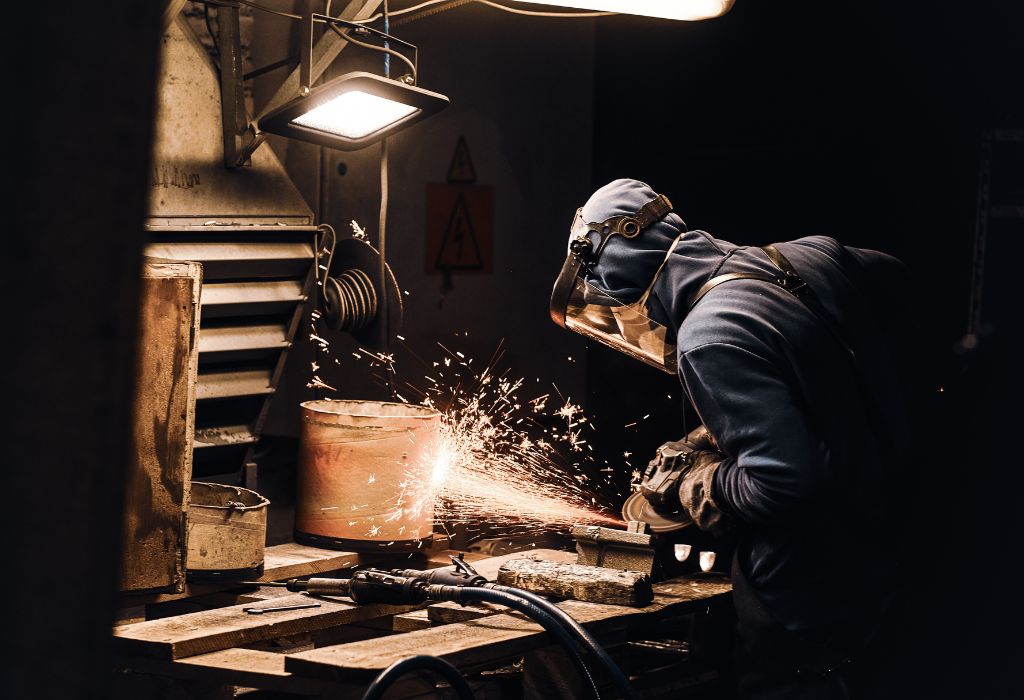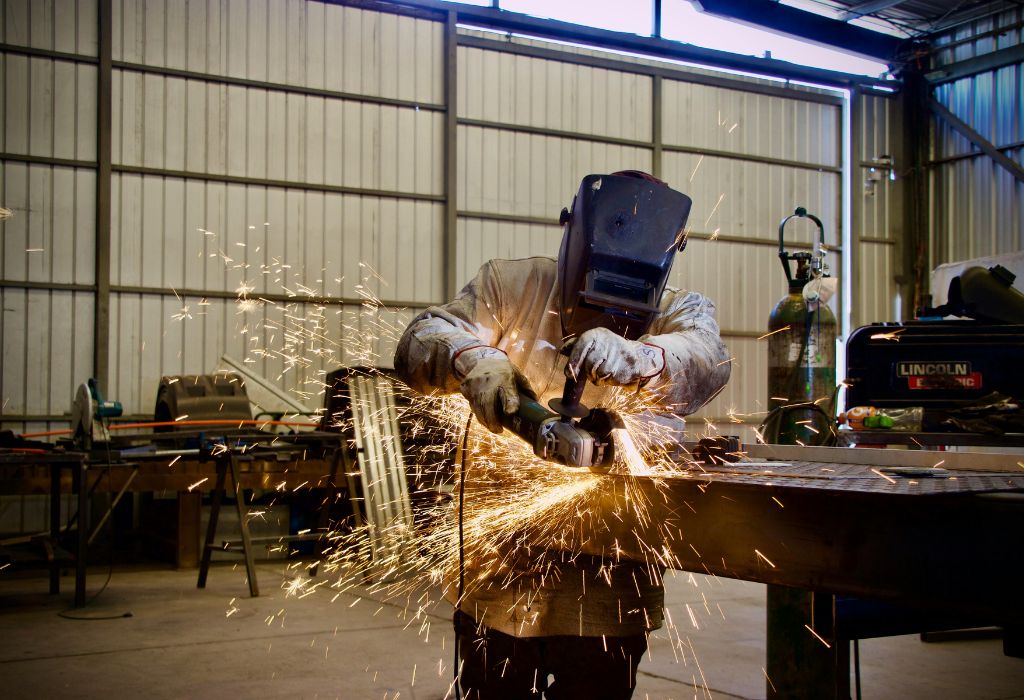
Solar eclipses have fascinated humanity for centuries, captivating millions worldwide. People travel great distances, set up telescopes, and organize viewing events to witness the rare moment when the moon passes between the sun and Earth. It is a spectacle of nature, a celestial alignment that inspires awe and curiosity.
Yet, the thrill of a solar eclipse carries significant risk. Many underestimate the intensity of sunlight during an eclipse, especially during partial phases. Staring directly at the sun, even for a few seconds, can permanently damage the eyes. Retinal burns, solar retinopathy, and long-term vision impairment are all possible consequences. Each year, thousands of people suffer eye injuries from improper eclipse viewing.
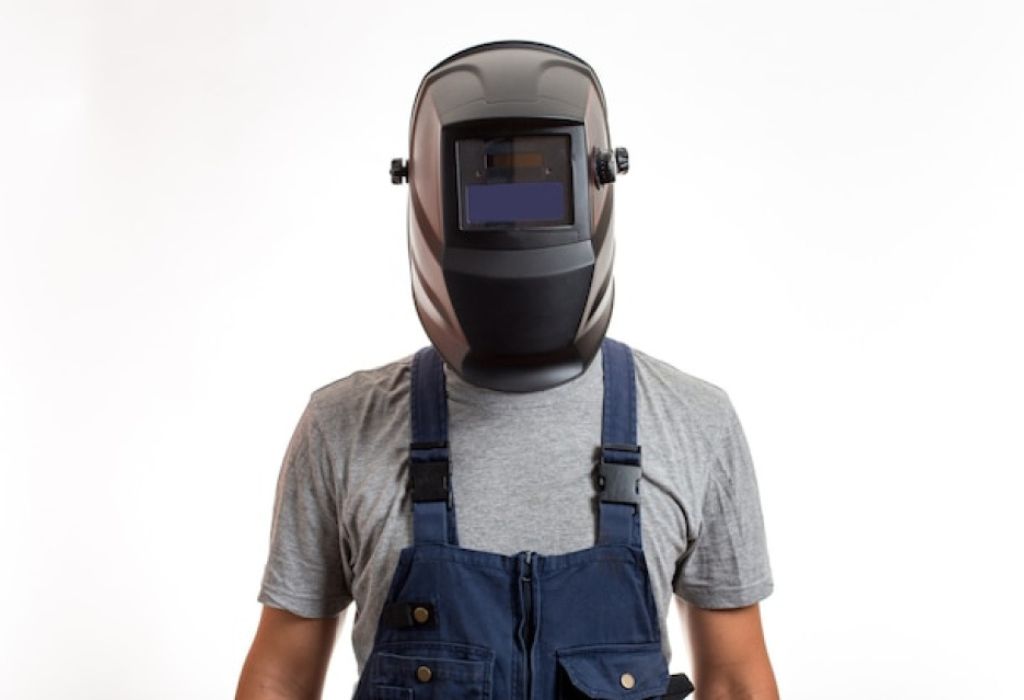
The idea of using a welding helmet may seem convenient. After all, welding helmets are designed to protect the eyes from intense light, sparks, and ultraviolet radiation. However, not all helmets are safe for solar viewing. Factors such as shade rating, lens quality, fit, and manufacturing standards play a critical role in whether a helmet can block harmful ultraviolet (UV), infrared (IR), and visible radiation from the sun.
Understanding the science behind eye damage, the limitations of welding helmets, and the safest alternatives is essential for anyone planning to witness an eclipse. This guide explores all aspects of eclipse safety, evaluates welding helmets as a potential viewing option, and provides comprehensive instructions for protecting your eyes while enjoying the celestial event.
Why Eye Safety Is Critical During a Solar Eclipse
Observing a solar eclipse without proper protection is not a trivial risk. The human eye is incredibly sensitive, and even brief exposure to intense sunlight can cause permanent retinal damage.
The Science of Solar Radiation
- Ultraviolet (UV) Light: UV-A and UV-B rays penetrate the cornea and lens, causing cellular damage to the retina. Prolonged exposure can result in photochemical injury known as solar retinopathy.
- Infrared (IR) Radiation: IR radiation produces heat, which can literally burn the retina. Unlike visible light, IR rays are invisible but can cause serious thermal damage.
- Visible Light Intensity: Even partial coverage of the sun emits intense visible light capable of overwhelming photoreceptors. This can cause temporary blindness, spots in vision, or permanent damage if exposure is prolonged.
Historical Cases and Risks
History has documented numerous eclipse-related eye injuries. In 2017, reports indicated that hundreds of people suffered temporary vision problems due to improper solar viewing methods. Many used improvised tools like sunglasses, smoked glass, or homemade filters—none of which provide adequate protection. These incidents highlight the importance of understanding proper eye safety measures.
Common Eye Injuries from Direct Viewing
- Solar Retinopathy: Permanent damage to the retina from UV and visible light.
- Photokeratitis: UV damage to the cornea, causing pain, swelling, and blurred vision.
- Blind Spots or Scotomas: Permanent dark or blurry spots in the visual field.
- Long-Term Effects: Increased risk of cataracts and other eye disorders later in life.
Welding Helmets as Eye Protection
Welding helmets are engineered to protect against intense light and radiation generated during arc welding. Understanding how these helmets work is critical for assessing their suitability for solar eclipse viewing.
How Welding Helmets Work
- Shade Lenses: Helmets use tinted or auto-darkening lenses that block UV and IR radiation. Shade numbers indicate the level of darkness.
- UV and IR Filtering: Helmets protect the eyes from arc welding, which emits intense UV and IR radiation.
- Design Considerations: Helmets are optimized for short bursts of arc light, not continuous exposure to sunlight, which is more intense and sustained.
Shade Ratings and Solar Viewing
- Welding helmets typically range from shade 8 to 14. For solar eclipse viewing, experts recommend shade 14 or higher. Lower shades may not block enough visible light or infrared radiation.
- Auto-darkening helmets must react quickly and consistently to prevent accidental exposure. Slow or uneven reaction can allow harmful rays through.
Comparing Welding Helmets to Certified Solar Protection
- Pros: Provides substantial UV and IR protection, convenient for short-term use.
- Cons: May have scratches, uneven filters, or insufficient shade. Continuous exposure is untested for solar intensity.
- Certified Eclipse Glasses: ISO 12312-2 filters are specifically designed for safe solar viewing, filtering 100% of harmful UV and IR radiation.
Can You Use a Welding Helmet to View an Eclipse?
The answer is: only under very specific conditions and with extreme caution.
Factors to Consider
- Shade Number: Minimum shade 14 is required; anything lower is unsafe.
- Lens Quality: Lenses must be free from scratches, cracks, or uneven tint.
- Viewing Duration: Helmets are intended for brief welding tasks, not continuous sunlight exposure.
- Fit and Light Leakage: Helmets that do not seal properly may allow light in around edges.
When a Welding Helmet May Be Safe
- Using a helmet rated shade 14+ in excellent condition.
- Ensuring the lens is intact, free of scratches or defects.
- Only brief glances at the sun rather than continuous staring.
Risks Even With a Welding Helmet
- Shade numbers below 14 are inadequate.
- Helmets may not block all IR rays effectively.
- Long-term exposure can still result in eye injury.
Experts strongly advise that welding helmets should be a last-resort option. Certified solar glasses or solar viewers are far safer.
Safer Alternatives to Welding Helmets
ISO-Certified Eclipse Glasses
- Meet ISO 12312-2 standards.
- Lightweight, inexpensive, portable.
- Block 100% of harmful UV, IR, and visible light.
Pinhole Projectors and Solar Viewers
- Indirect viewing method; project sunlight onto a screen.
- Safe for long-term observation.
- Ideal for group or classroom settings.
Telescopes or Cameras With Solar Filters
- Must use professional solar filters to prevent magnification of harmful light.
- Only use certified equipment; homemade filters are unsafe.
DIY Methods (With Caution)
- Project sunlight through small holes onto paper or other surfaces.
- Avoid sunglasses, smoked glass, or tinted plastic—they do not filter harmful radiation.
Step-by-Step Guide to Safe Eclipse Viewing
- Check Equipment: Confirm ISO certification or shade 14+ rating.
- Inspect Lens: Ensure lens or glasses are free from scratches or cracks.
- Avoid Direct Viewing With Improvised Tools: Do not use welding shades below 14, sunglasses, or homemade filters.
- Indirect Methods: Use pinhole projectors or projection screens for a risk-free option.
- Limit Viewing Time: Take breaks to prevent eye strain.
- Supervise Children: Educate them on safe viewing methods.
- Practice Ahead of Time: Ensure comfort and correct use of your viewing equipment.
Troubleshooting Welding Helmets for Eclipse Use
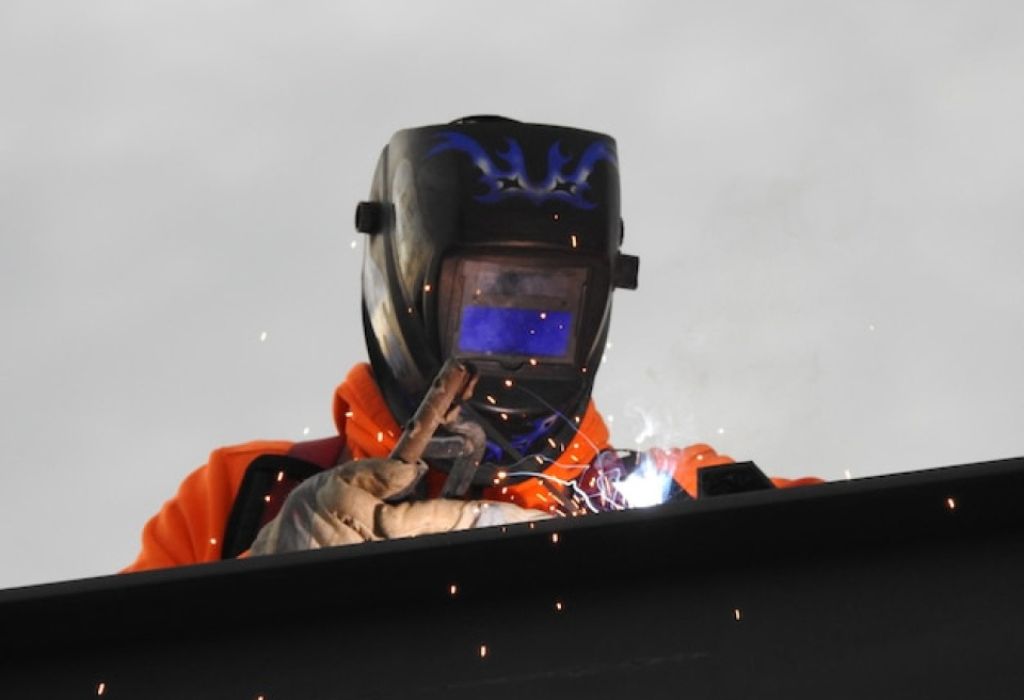
- Check Shade Rating: Minimum of 14 required.
- Inspect Lens Quality: Look for scratches, cracks, or uneven tinting.
- Ensure Proper Fit: Prevent light leaks around the edges.
- Test Briefly: Glance only for a few seconds initially.
- Avoid Auto-Darkening Lags: Ensure helmet reacts quickly to light intensity changes.
Additional Safety Tips
- Never use multiple cheap or DIY layers in an attempt to darken lenses.
- Avoid staring at the eclipse during maximum sunlight unless using certified filters.
- Use indirect viewing methods whenever possible for prolonged observation.
- Educate yourself about solar eclipse timing to minimize exposure.
FAQs (Expanded 15 Questions)
- Would a regular welding helmet protect my eyes during an eclipse?
Only if it’s shade 14+, in perfect condition, and used for brief glances. - Can any shade welding helmet be used for solar viewing?
No; shades below 14 are unsafe. - Are ISO-certified eclipse glasses safer?
Yes, specifically designed to protect eyes from solar radiation. - Can a welding helmet block infrared rays?
Many do, but not all are tested for solar IR exposure. - Is indirect viewing completely safe?
Yes, methods like pinhole projectors eliminate direct exposure. - Can children use welding helmets for eclipse viewing?
Only with adult supervision and proper shade 14+ helmets. - Can auto-darkening helmets work?
Only if shade is sufficient and reaction speed is fast. - Is staring continuously dangerous even with a helmet?
Yes, long exposure increases risk of retinal damage. - Can eye damage occur without pain?
Yes, retinal burns can occur without immediate discomfort. - Are welding helmets more convenient than eclipse glasses?
Not really; they are heavier and often less safe than certified glasses. - Can scratches compromise helmet safety?
Yes, any defect can let harmful radiation through. - What is the safest method to observe an eclipse?
ISO-certified eclipse glasses or pinhole projection are safest. - Can homemade filters be used?
No, they are unsafe and can lead to permanent eye damage. - How often should I inspect my eclipse-viewing equipment?
Every time before use; check lenses, fit, and shade. - Can a welding helmet replace solar filters for photography?
No; cameras require proper solar filters to prevent lens and sensor damage.
Conclusion
While welding helmets may seem like a convenient option for viewing a solar eclipse, they carry significant risks. Shade numbers, lens quality, and fit are crucial, and even high-quality helmets may not offer complete protection. Certified ISO 12312-2 eclipse glasses, solar viewers, and pinhole projectors are safer alternatives.
Understanding the dangers of solar radiation, the limitations of welding helmets, and proper viewing methods is essential. By choosing proper equipment, following safety tips, and using indirect methods when necessary, you can safely enjoy this awe-inspiring celestial event without risking permanent eye damage.
Remember: protecting your eyes is far more important than convenience. A few seconds of improper viewing can have lifelong consequences. Always prioritize certified protection and educate others before the eclipse.

I’m Darrell Julian, the founder, lead writer, and hands-on welding enthusiast behind ArcWeldingPro.com. With more than 15 years of real-world welding experience, I created this platform to share what I’ve learned in the field, in the shop, and in the heat of the arc.